

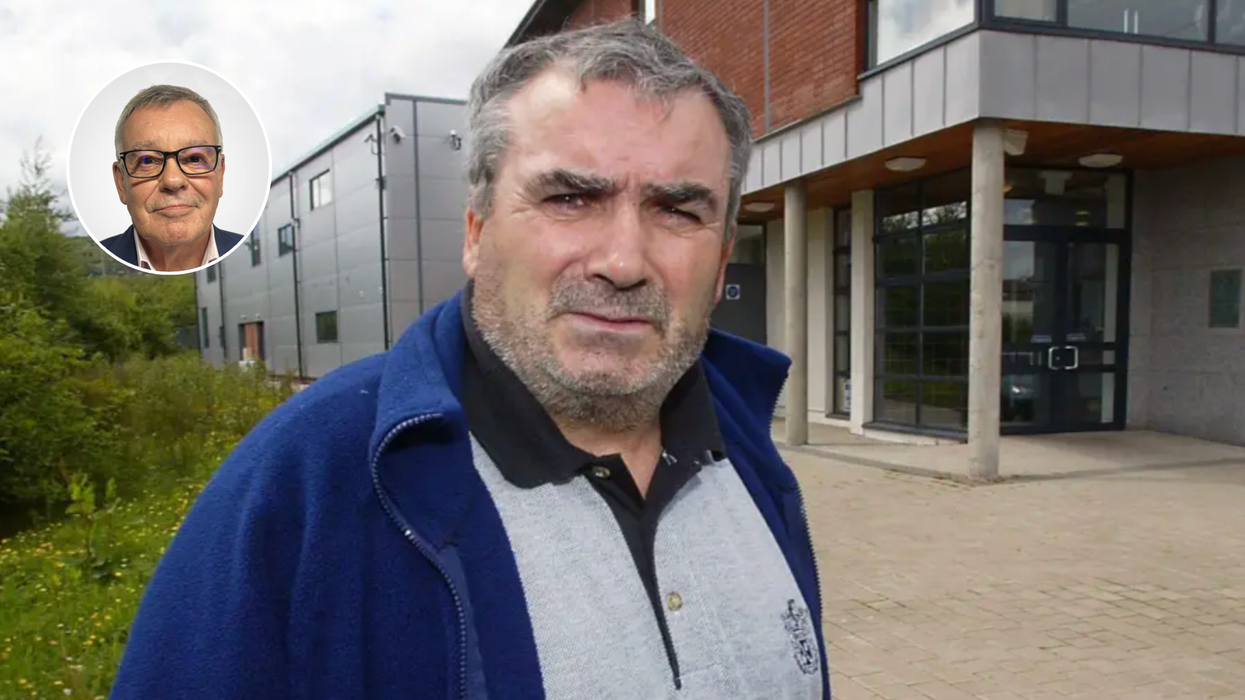




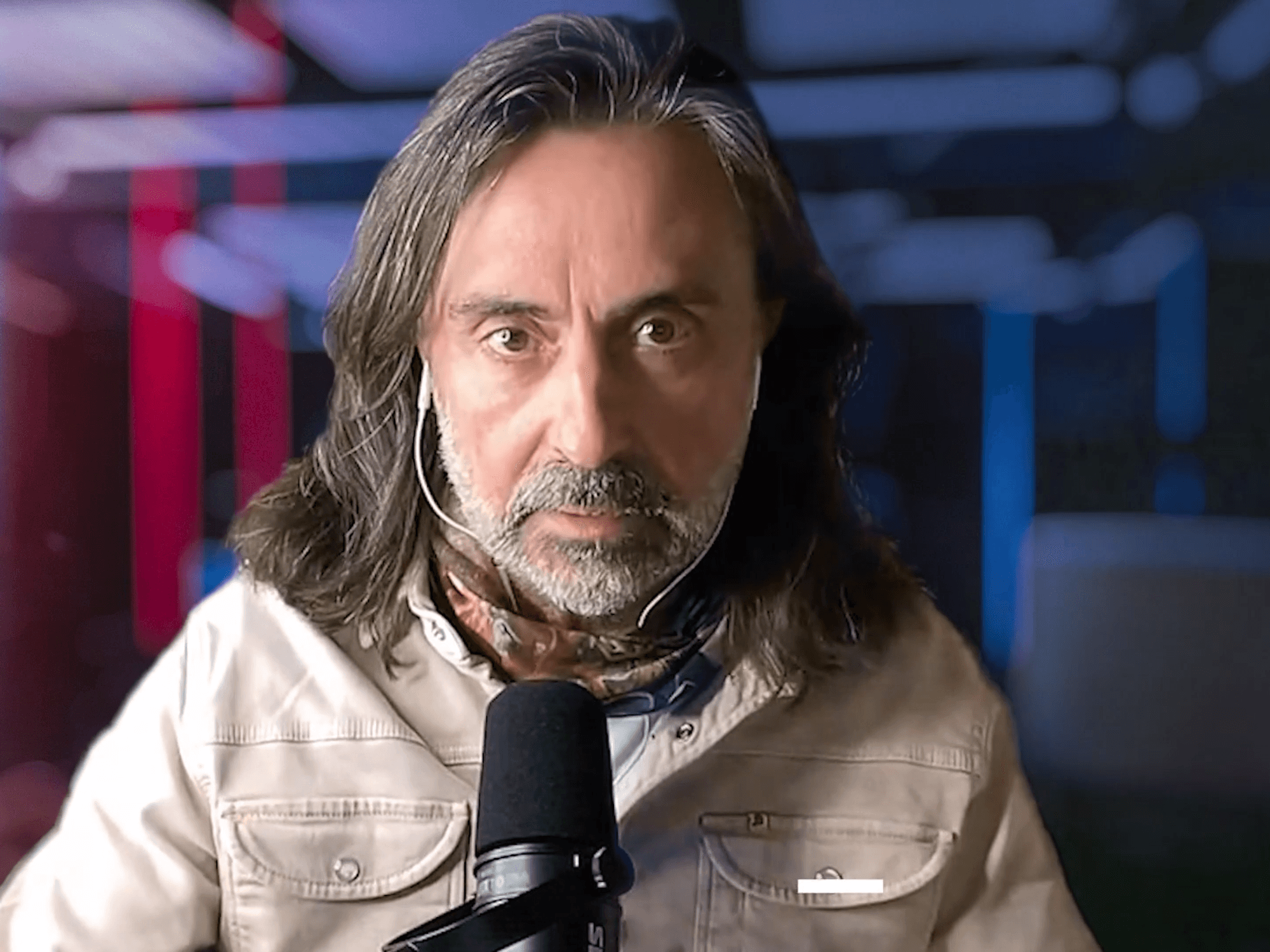
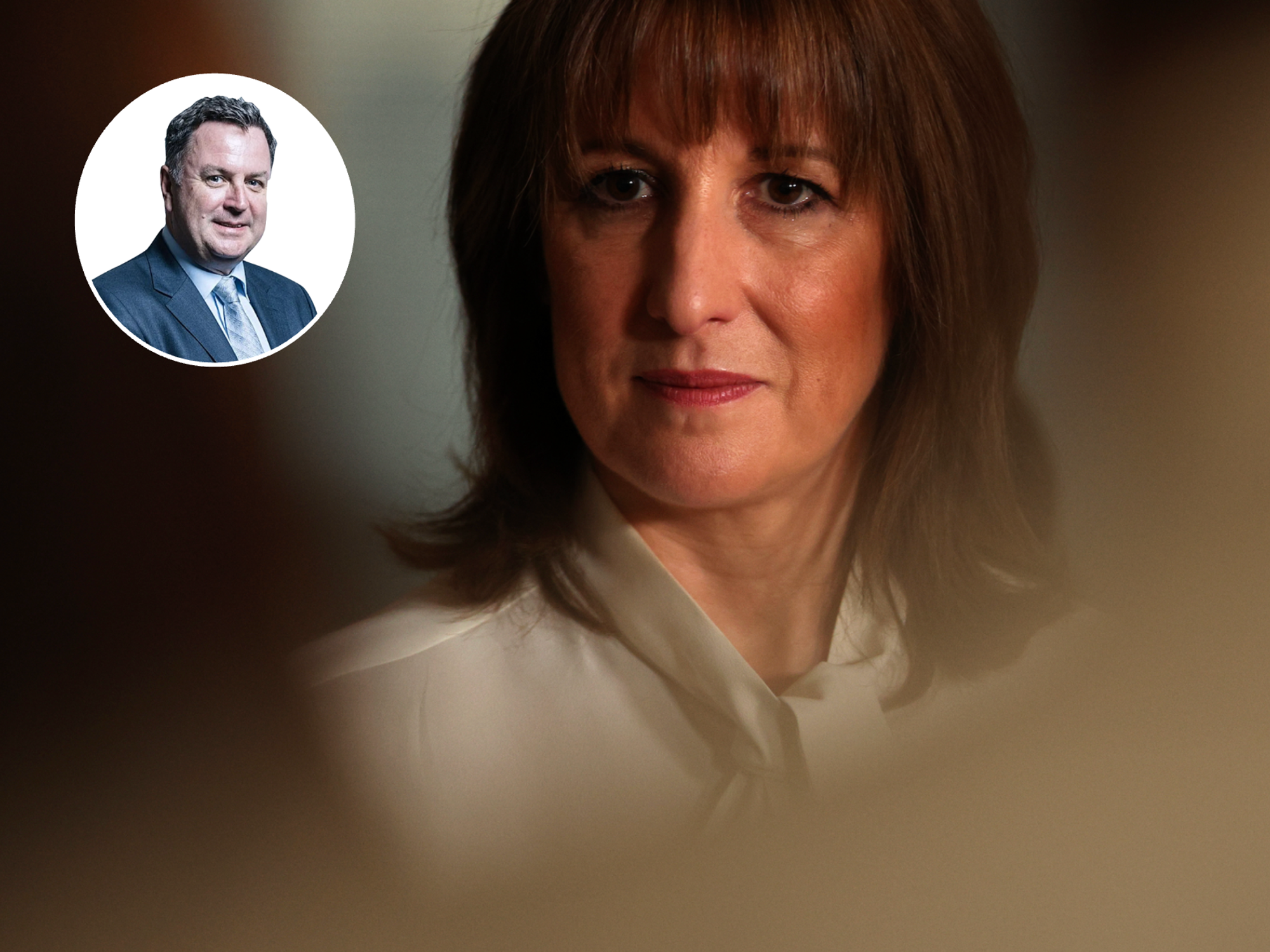
My friend Sean O’Callaghan had a chequered past, to say the least. But when I knew him, he was a whistleblower, not the IRA killer he had previously been.
We would meet in the House of the Commons because it was the one place he felt safe from the Provo hit squads out to get him. Parliament was also conveniently close to No10 where he was a welcome though secret visitor.
He not only guided me through the Good Friday peace process in a way only a real insider could, but the hard-drinking, chain-smoking big bear of an Irishman from Tralee, County Kerry, played a pivotal behind-the-scenes role in bringing about peace to his homeland by advising people far more important than me.
Memories of Sean came flooding back with the publication of the damning £40million police report into the activities of the MI5 agent codenamed Stakeknife. Although everyone knows his name, it has still not officially been revealed.
Stakeknife fed intelligence to his handlers while operating in the IRA unit known as the “nutting squad”, which hunted down touts – IRA slang for informers.
He has been linked to 14 murders and 15 abductions, and the families of the victims are mightily angry that they lost loved ones in an undercover op being run by the British. They understandably want Stakeknife named.
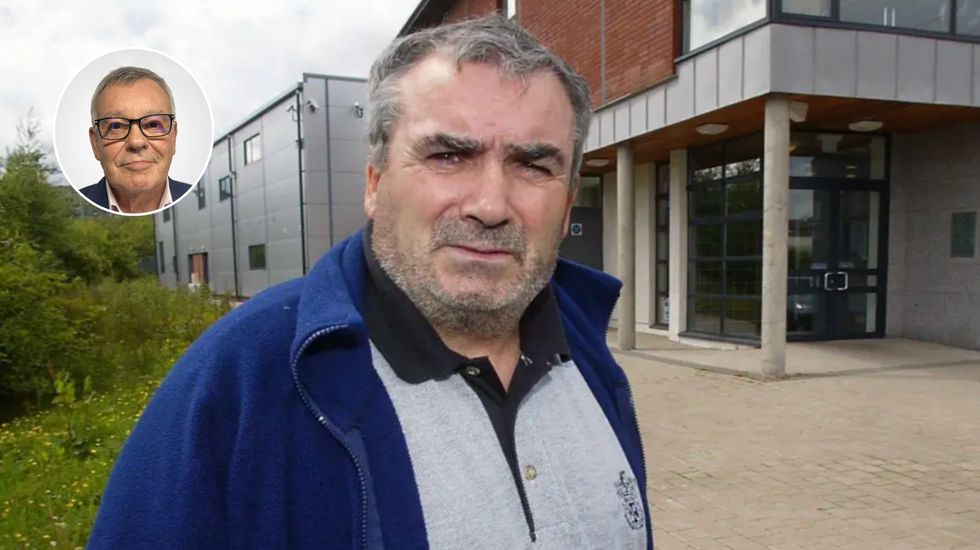
I've experienced first-hand how IRA whistleblowers pose a massive moral dilemma - Nigel Nelson
|Getty Images
Some new documents turned up by MI5 added more detail to Stakeknife’s duplicitous double-life, but the report’s authors are scathing about their late arrival.
They say: “The revelation of the MI5 material was the culmination of several incidents capable of being negatively construed as attempts by MI5 to restrict the investigation, run down the clock, avoid any prosecutions relating to Stakeknife and conceal the truth.”
It raises the question of whether Stakeknife – who died two years ago – should have been brought to justice for his crimes? Or if the spooks thought protecting him served a greater good?Which brings me back to Sean.
At 17, he was one of the early members of the Provisional IRA and took part in more than 70 operations, including killing a female UDR recruit with a mortar and executing an RUC detective inspector with a handgun.
But his guilt and remorse for those murders led him to believe “that the Provisional IRA was the greatest enemy of democracy and decency in Ireland”.
After a spell in London, Sean went home to rejoin the IRA, but this time to spy on it. Thanks to him, seven tons of AK-47s were intercepted, and he revealed a plot to blow up Prince Charles and Princess Diana.
In 1988, he walked into a police station in Tunbridge Wells to confess to astonished officers of the Kent Constabulary. His espionage work meant he could have avoided jail and gone into witness protection.
Instead, he insisted on pleading guilty in court, receiving sentences totalling 539 years. He served eight of them before being pardoned. I always expected a telephone call to say Sean had been found with a bullet in his head.
His death at 63 was premature, but from natural causes – drowning in a Jamaican swimming pool following a heart attack. I spent many hours pressing Sean on how he could so cold-bloodedly kill people.
I believe he was genuine in wanting to atone for that, though whether he deserved forgiveness is another matter, and he never asked for it.
What I do know is that the road to the 1998 Good Friday agreement would have been that little bit rockier without the government able to pick his brains on the IRA’s mindset. And what he knew rested on what he’d done. But I am less certain whether his regret for the past was enough to absolve him of it.
More From GB News