

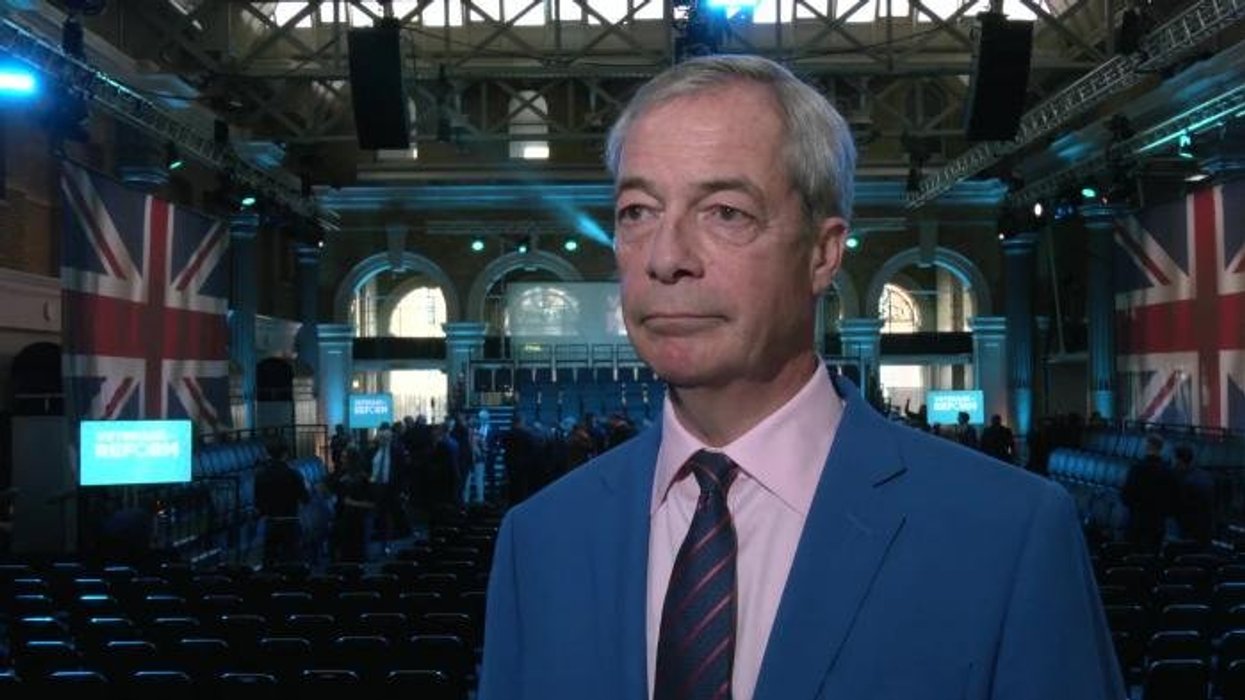





In what is an unquestionably significant development in British conservative politics, former Tory home secretary Suella Braverman has defected to Reform UK, with the party leader Nigel Farage making the surprise announcement at a rally for party activists in central London.
It comes after Robert Jenrick, the former Conservative immigration minister and shadow justice secretary who is now a Reform MP, encouraged her to make the move during a recent GB News interview.
Braverman’s reputation for being a no-nonsense conservative on matters of immigration, integration, and identity means that she could well be an asset to Reform UK.
The reality is that the messenger, as well as the message itself, matters in the modern era of political communication. In what is a male-dominated parliamentary group, Braverman’s defection means that Reform UK no longer has Sarah Pochin as their standalone female parliamentarian. She is also the party’s first non-white MP.
Braverman, a woman of Indian origin whose father and mother immigrated to Britain in the 1960s from Kenya and Mauritius, respectively, has the potential to be a powerful voice for her new party on the failures of state-sponsored multiculturalism and dysfunctional migration policies in the UK.
As Conservative home secretary, Braverman delivered a hard-hitting speech in Washington D.C., where she declared that multiculturalism had failed.
It was greeted by much liberal-Left hysteria and outrage. But who could blame her for reaching this conclusion? There is a string of post-industrial northern English towns which continue to be plagued by such intense forms of ethnic and religious segregation; it makes my hometown of Luton look like a paragon of social cohesion.
In some of these areas, industrial-scale grooming-gang activity has unfolded – perpetrators disproportionately belonging to Pakistani-heritage biraderi-style ‘clans’ defined by family solidarity, multi-generational cohesion, and tight-knit community ties: the dark underbelly of modern multicultural Britain.
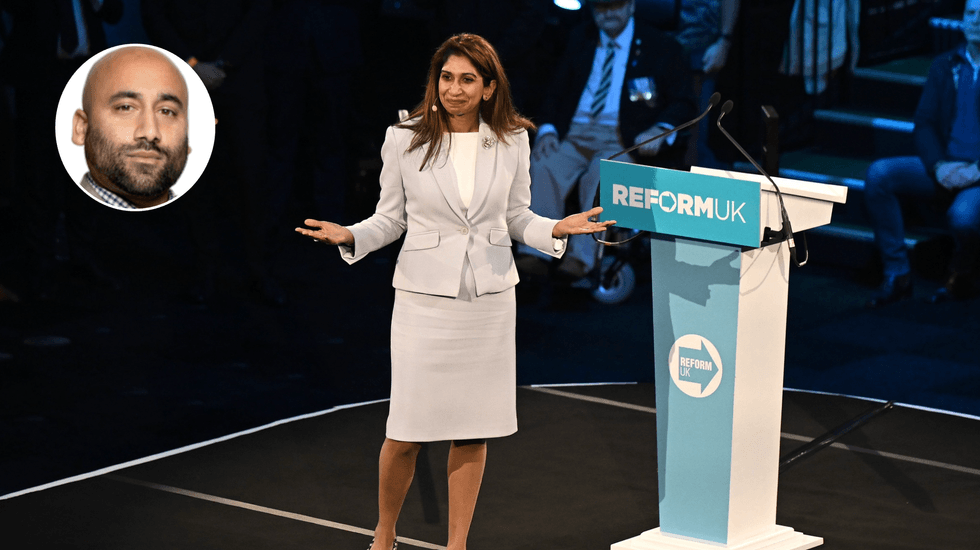
Suella Braverman's defection matters in a country gripped by immigration and Islamist extremism - Rakib Ehsan
|Getty Images
The 2022 Leicester riots, which saw subcontinental-style communalism spill over onto the streets of an English regional city – primarily between Hindu and Muslim male youths from ‘new and emerging’ communities.
In our capital city of London, there have been political clashes within the UK’s Bangladeshi-origin and Eritrean-heritage communities.
Moreover, American-style racial identity politics spread like wildfire through many of our public institutions during the era of BLM-mania.
Braverman, like many politicians, has her flaws. At times, she does become excitable and overreaches. But what she does understand is the mainstream public desire for stronger quality and quantity control when it comes to immigration; the need to get to grips with the threat of Islamist extremism, which remains the country’s principal terror threat, as demonstrated by the deadly anti-Jewish terrorist attack at Heaton Park synagogue in Manchester.
And crucially, she appreciates the ethnic element of English identity, which is all too often downplayed - if not completely ignored - in a fast-paced era of astonishing demographic change in England.
Braverman may not be everyone’s cup of tea, but she has bolstered Reform UK’s image of being a national-conservative party which is open to all those who have hard-headed views on admittedly sensitive matters of immigration, integration, and identity in modern Britain.