







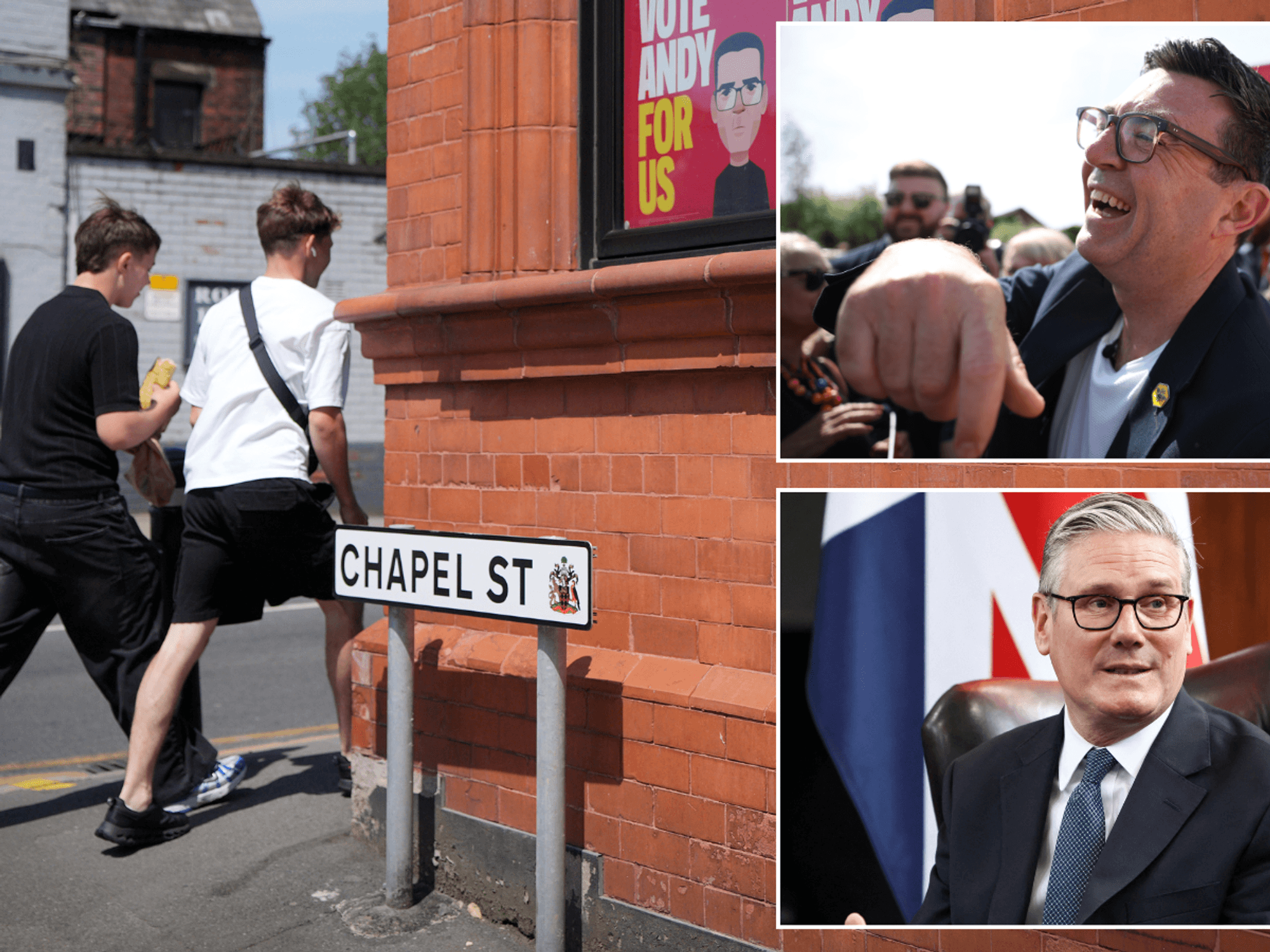

Hundreds of young people descended on Clapham High Street. Emergency workers were attacked, fires started, and chaos was unleashed on local businesses.
It was coordinated through social media “link-ups” – and it happened in broad daylight. The Mayor’s answer? Thirty million pounds for late-night youth clubs across every London borough. Think about that for a moment.
The Clapham disorder happened during the day. Late-night youth clubs – however well-intentioned- would not have prevented a single moment of what took place on Clapham High Street.
Whether it was sitting in a drawer waiting for a suitable news hook, or genuinely conceived in the heat of the moment, it raises a troubling question about whether anyone in City Hall has actually thought this through.
There is something else that makes this announcement not just weak, but embarrassing. At the time of the disorder, there were already several youth clubsoperating within three miles of where it took place.
The young people involved did not lack access to one. They chose a TikTok-organised riot instead. If proximity to ayouth club was the question, Clapham already had the answer – and it changed nothing.
The Mayor is proposing to spend £30million solving a problem that his own evidence base does not support. There is a genuine place for youth clubs.
The Youth Endowment Fund, an authoritative body in this country on what actually reduces youth violence, found that youth clubs work best when they are affordable, inclusive, and sustained through long-term funding, with skilled youth workers and meaningful involvement of young people in shaping activities.
But it comes with equally serious conditions.
 Sadiq Khan's £30m late-night solution to kids rioting at lunchtime is a total disgrace - Festus Akinbusoye |
 Getty Images/ Google Images
Our Standards: The GB News Editorial Charter
The YEF’s own data suggests youth clubs may reduce offending by around 13 per cent, but their confidence in that estimate is very low, based on a small number of UK studies.
This is promising, not proven. It demands targeted, careful deployment – not a uniform rollout across thirty-two boroughs as a political response to a week’s bad headlines.
The YEF is unambiguous: invest where children are at greatest risk, provide long-term funding, and offer targeted support alongside activities.
For most children, this is inside their own home. What it does not recommend is a blanket borough-wide programme built around late-night opening, designed in a week and announced on social media.
There is also a more fundamental question that the Mayor has not asked. Why are children out unsupervised, at any hour, without their parents or caregivers knowing where they are? That is the question Clapham actually posed.
It has nothing to do with the opening hours of youth facilities. Shouldn’t a fourteen-year-old be at home in the evening – doing homework, resting, preparing for the school day ahead?
When we build institutions around the assumption that children will routinely be out unsupervised late into the night, we are not solving a problem. We are accommodating one.
We are normalising the exception until it becomes the rule. The hard truth is this: no youth club can substitute for a parent or caregiver who knows where their child is and takes responsibility for it.
Families and caregivers must be at the very core of every youth intervention programme – not an afterthought, not an optional add-on, but the foundation.
The moment we design programmes that bypass the family entirely, we are relieving adults of their duty to young people. And we are asking the state to fill a gap it was never equipped to fill, at a cost that compounds with every passing year.
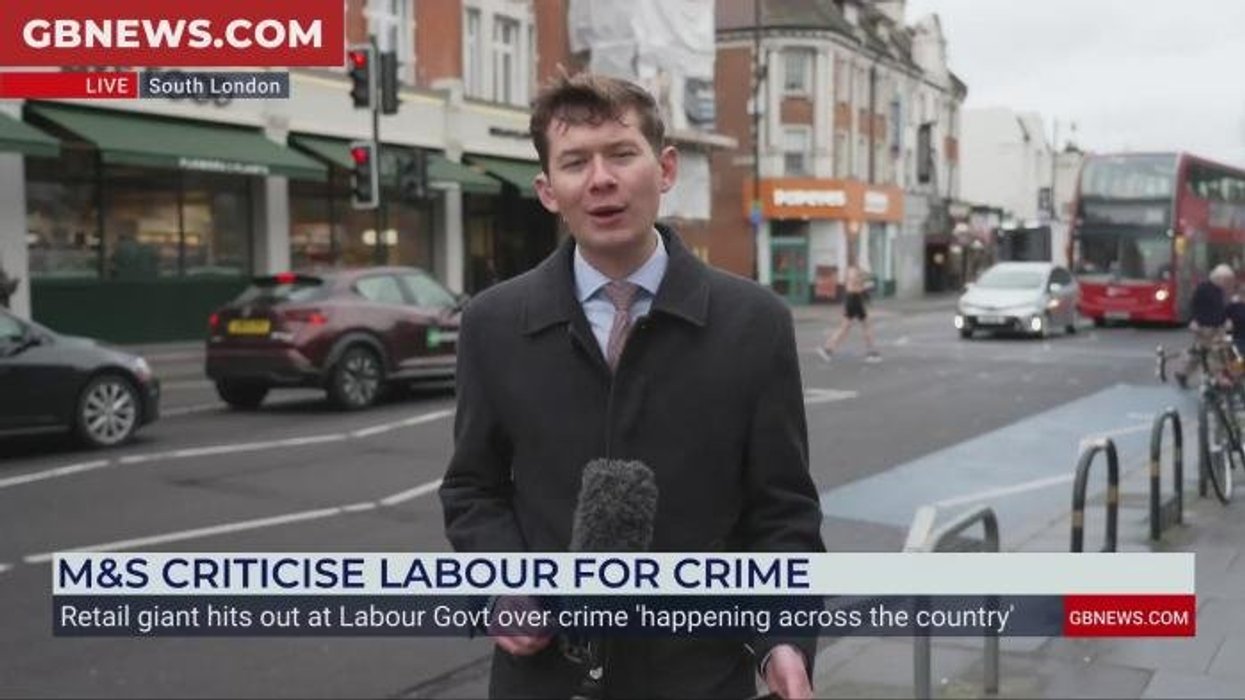
Marks and Spencer’s has written directly to the Mayor demanding action on retail crime. That is an extraordinary intervention from a mainstream British retailer, and it deserves a serious response.
What it has received instead is a late-night youth club announcement. This is a solution searching for a problem. The problem, in the meantime, remains untouched.