

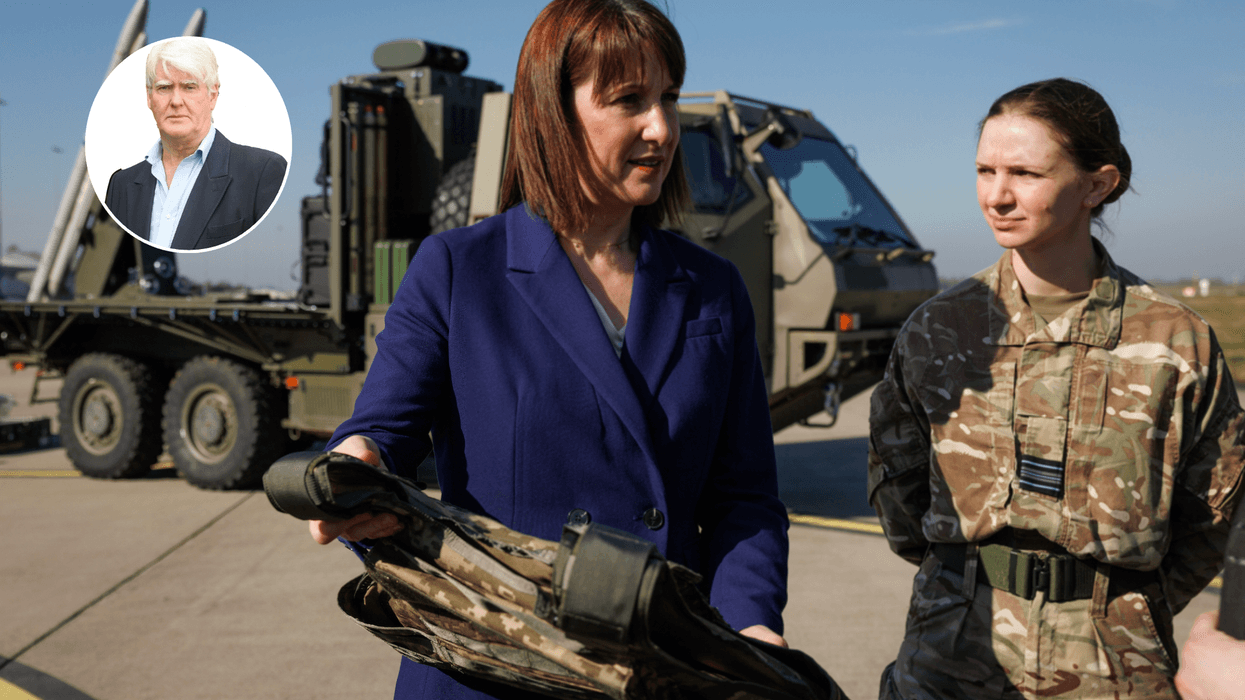







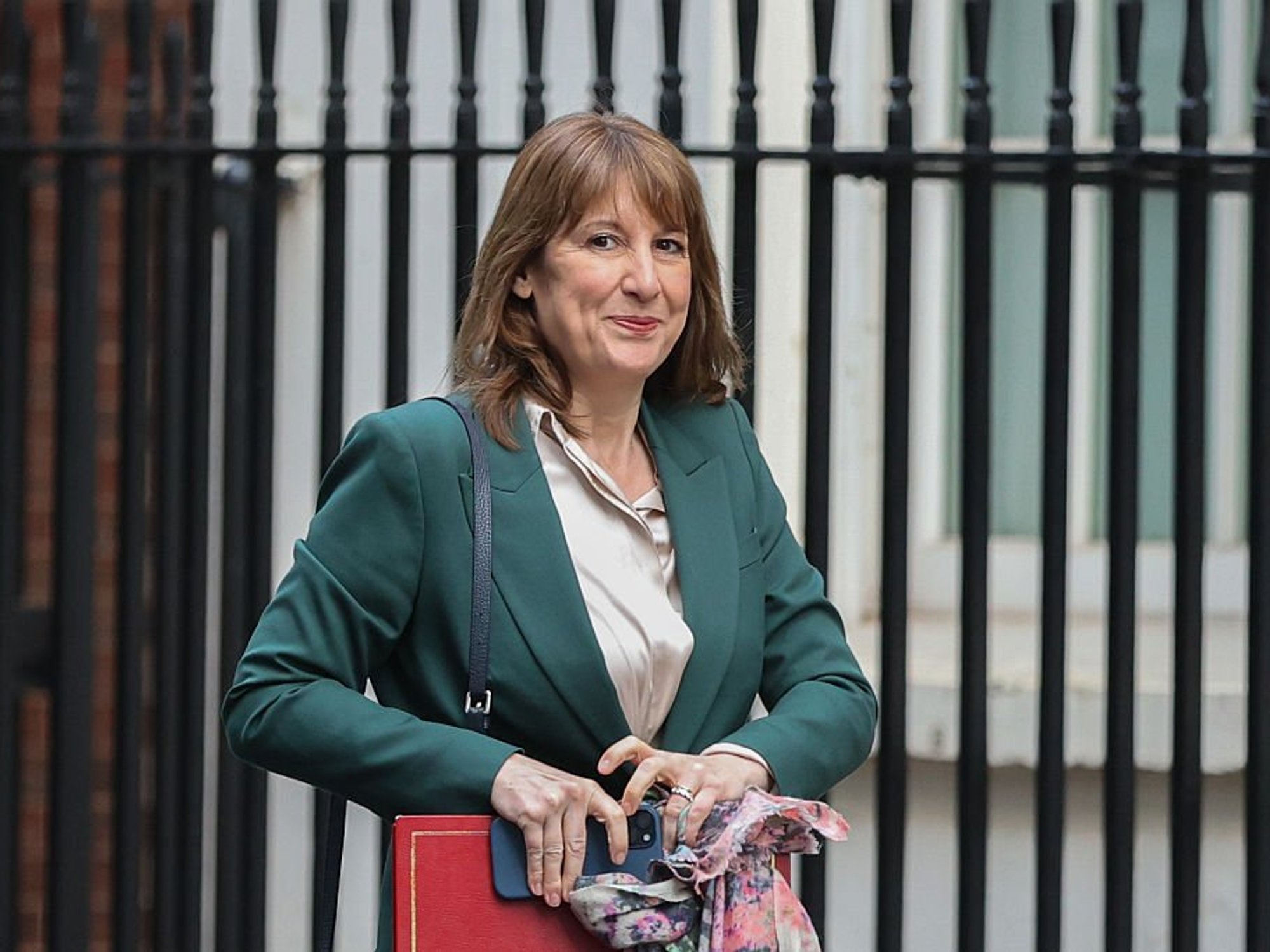
Once again, the Treasury has put itself firmly in the driving seat of national security policy – and once again, defence is paying the price.
According to reports, the Chancellor is resisting pressure from senior military figures to inject even modest additional funding into Britain’s armed forces.
At a time when Europe faces its gravest security threat since the Cold War, this is not just short-sighted. It is dangerous.
National defence cannot be subcontracted to Treasury spreadsheets or deferred until a more convenient electoral cycle. If Starmer cannot grasp that, then he has no business occupying Number Ten at all.
At heart, Labour still sees itself as the party of welfare, not warfare. There is nothing inherently wrong with that outlook – opposition parties are entitled to hold ideological positions.
The problem comes when those instincts collide with the realities of government. Being prime minister means making hard choices that may cut directly across personal or party preferences. Defence and security are not optional extras. They are the first duty of any state.
It also raises a basic constitutional question: who is actually running the country? Is it the Prime Minister, elected to take responsibility for the safety of the nation, or a Chancellor and a cadre of Treasury officials whose instinct is always to say no?
A strong prime minister would settle the argument in minutes by instructing the Treasury to find the money and get on with it. That has not happened, and the reason is obvious.
Keir Starmer has shown repeatedly that strength and decisiveness are not his defining characteristics. His leadership has been marked by a string of policy reversals and hesitant compromises, the most recent being his clumsy U-turn on delaying local authority elections.
These are not the actions of a leader firmly in control of his government. They are the hallmarks of a man constantly looking over his shoulder.
That vulnerability matters because Starmer governs under the permanent threat of rebellion from his own back benches.
Labour MPs, already restless over foreign policy, welfare reform and public spending, know that the numbers against him are not insurmountable.
The result is a prime minister politically neutered, cautious to the point of paralysis, and unwilling to confront his Chancellor even on issues as fundamental as national defence.
Not content with crashing the economy, Rachel Reeves is going after our war chest - Lt Col Stuart Crawford
|Getty Images
Most serious observers, regardless of political stripe, accept that the protection of the realm, its citizens and its interests must come before all else.
If that principle means anything at all, then defence spending should take priority over almost every other area of public expenditure.
Instead, Britain’s armed forces are treated as an inconvenience – something to be trimmed, delayed or hollowed out whenever budgets get tight.
The usual Treasury objection is the same tired refrain: there is no money. That argument simply does not stand up to scrutiny.
The welfare budget is currently between five and six times larger than the defence budget. Even marginal adjustments there would release billions for the armed forces.
The alternative, of course, is higher taxation, but a Labour government is acutely aware that raising taxes further would be electoral poison. Easier, it seems, to quietly run down defence and hope voters do not notice.
What cannot be disputed is that Britain’s armed forces have been systematically underfunded for decades by governments of all colours.
The result is an army too small to fight a sustained war, a navy stretched to breaking point, and an air force struggling to maintain mass. In their current state, the services would find it difficult to mount prolonged operations either in defence of the homeland or in support of allies overseas.
This matters because the threat environment has deteriorated sharply. Russia is not a theoretical danger; it is a hostile power waging war on the European continent and openly hostile to British interests.
Deterrence depends not on fine words or diplomatic statements, but on credible military capability. Without that, Britain’s voice in NATO is weakened, and its security guarantees look increasingly hollow.
The solution is brutally simple. The Prime Minister must decide what level of military capability he believes the country needs, instruct his Chancellor to fund it, and accept the political consequences.
If the Chancellor is unwilling or unable to deliver, then she should be replaced. That is how serious governments behave.
More From GB News