







I am old enough to remember the Satanic Verses controversy in 1988, when fury erupted across the Muslim world because Salman Rushdie had written a work of fiction which “blasphemed” against the prophet Muhammad.
Copies of the book were set ablaze by Muslim protesters in British towns and cities, while the Iranian ayatollah put a contract on the author’s head, and the novel’s Japanese translator was stabbed to death.
The affair was notable for the cowardice of certain sections of the British establishment. Some public officials appeared only too willing to appease the book burners.
The deputy leader of the Labour Party called for the publication of the paperback to be cancelled, while the Archbishop of Canterbury demanded the government widen blasphemy laws to cover Islam.
The priority, it seemed, was not to defend freedom of expression but to protect the sensibilities of religious believers who claimed to have been offended.
We didn’t learn back then that indulgence of extremist bullies leads to their emboldenment. Give the fanatics a reason to think their outrage is justified, and don’t be surprised when they become more assertive in their demands each new time they are affronted.
The appeasement of Rushdie’s tormentors set the tone for years to come. A straight line can be drawn from that episode to, decades later, the persecution of a schoolteacher in Batley who had innocently shown his students an image of the prophet, the hounding of a schoolboy in Wakefield who had accidently scuffed a copy of the Koran, and the withdrawal from cinemas of a film – The Lady of Heaven – which, the fundamentalists claimed, insulted the prophet’s daughter.
For the truth is that there is a strain within the Islamic faith which is deeply intolerant and whose precepts are utterly antithetical to the principles – long-cherished by our nation – of free speech, democracy, pluralism, religious liberty and the right to dissent. And we shouldn’t be afraid to say so.
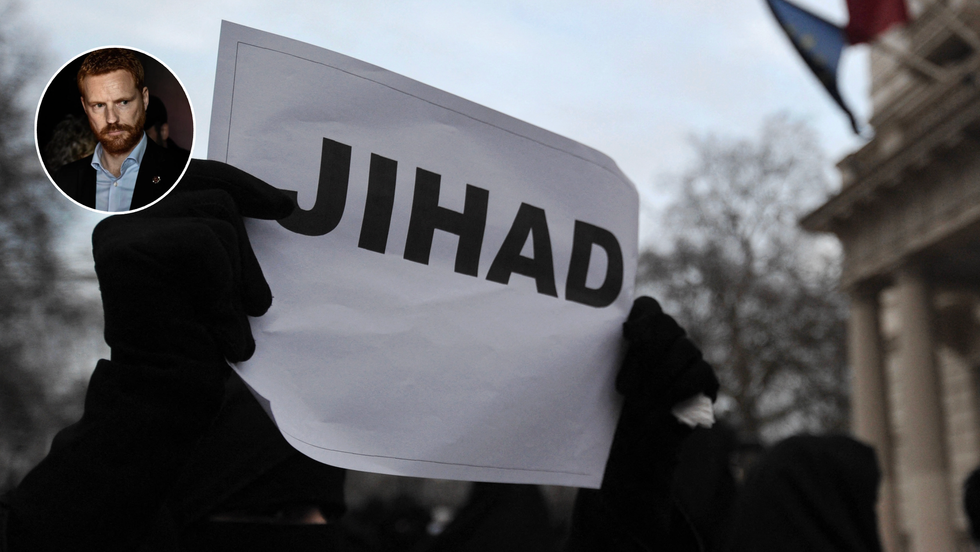
Labour has been weak-kneed in the face of radical Islam before. This is of a different order - Paul Embery
|Getty Images
The militants must be confronted, not mollified. Else they will grow in number and confidence. If the recent barbarous events on Bondi beach are not enough to convince us of that reality, nothing will.
That is why the government is wrong to introduce an official definition of “anti-Muslim hatred”.
The definition, which is to be used as guidance by public bodies, simply isn’t necessary – existing laws already protect against discrimination on the grounds of faith – and, notwithstanding that it has been watered down after protests by free speech campaigners (with all references to “Islamophobia” now ditched), there is a danger that it will serve as an unofficial blasphemy law quelling criticism of Islam itself – or at least of some of its more regressive practices.
For example, the definition describes anti-Muslim hostility as “the prejudicial stereotyping and racialisation of Muslims”.
This clause is too vague and thus open to interpretation and abuse. Would mention of, say, “Muslim grooming gangs” qualify under the definition? How about references to female genital mutilation in Muslim societies? Does anybody know?
The effect of the definition may be that individuals shy away from specifying the religion of a wrongdoer, where he or she is a Muslim – and even when the most atrocious acts have been committed.
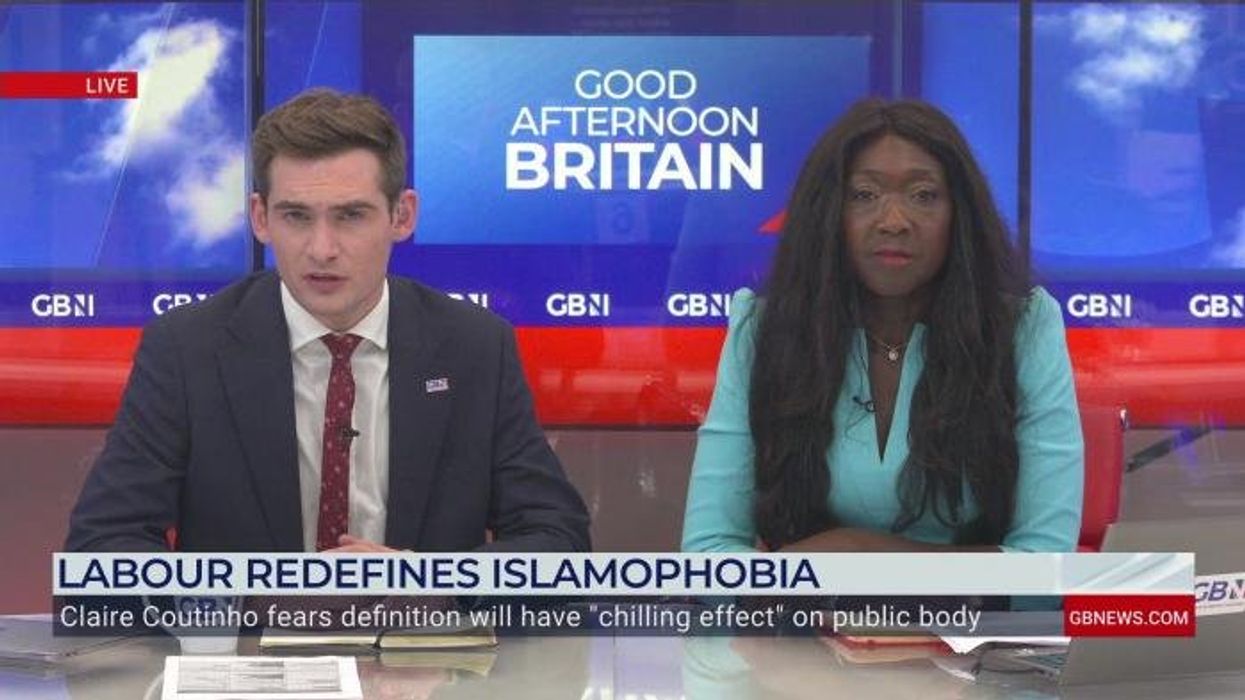
In fact, that seems already to be happening. After the Bondi massacre, I scanned the TV news channels for a few hours. With the exception of Dawn Neesom, who was fronting for GB News, I witnessed no presenter or contributor even float the possibility that the attacks may have been inspired by radical Islam.
The debate was entirely decontextualised. The new definition is bound to make our nervous politicians and fourth estate even more twitchy than they are currently.
When an eminent person such as the former head of the Equality and Human Rights Commission, Kishwer Falkner – herself a Muslim – voices concern over the definition, the government would do well to listen. Falkner warns that the definition risks undermining women’s rights, in that individuals would be reluctant to argue that some Muslim women are oppressed. She surely has a point.
I do not want any Muslim to suffer prejudice on account of his or her faith. But, in a free society, no belief system – religious, political or whatever – must be ringfenced from scrutiny, criticism or even ridicule.
Ultimately, the new official definition of “anti-Muslim hatred” is likely, intentionally or not, to chill legitimate debate and discourage non-Muslims from critiquing the Islamic faith or shining a light on some of its medieval practices.
So why is it being pushed through? Doubtless, there is some genuine concern about ill-treatment towards Muslims. But it is hard to avoid the conclusion that the primary motivation is fear.
Our politicians have shown themselves time and again to be utterly weak-kneed in the face of Islamic fundamentalism. They understand only too well what it is capable of when it is offended. And it scares them. So rather than confront it, they try to placate it.
They shouldn’t expect the rest of us to do the same.
More From GB News