

Keir Starmer is wrong to evade hard questions about Henry Nowak - here's why
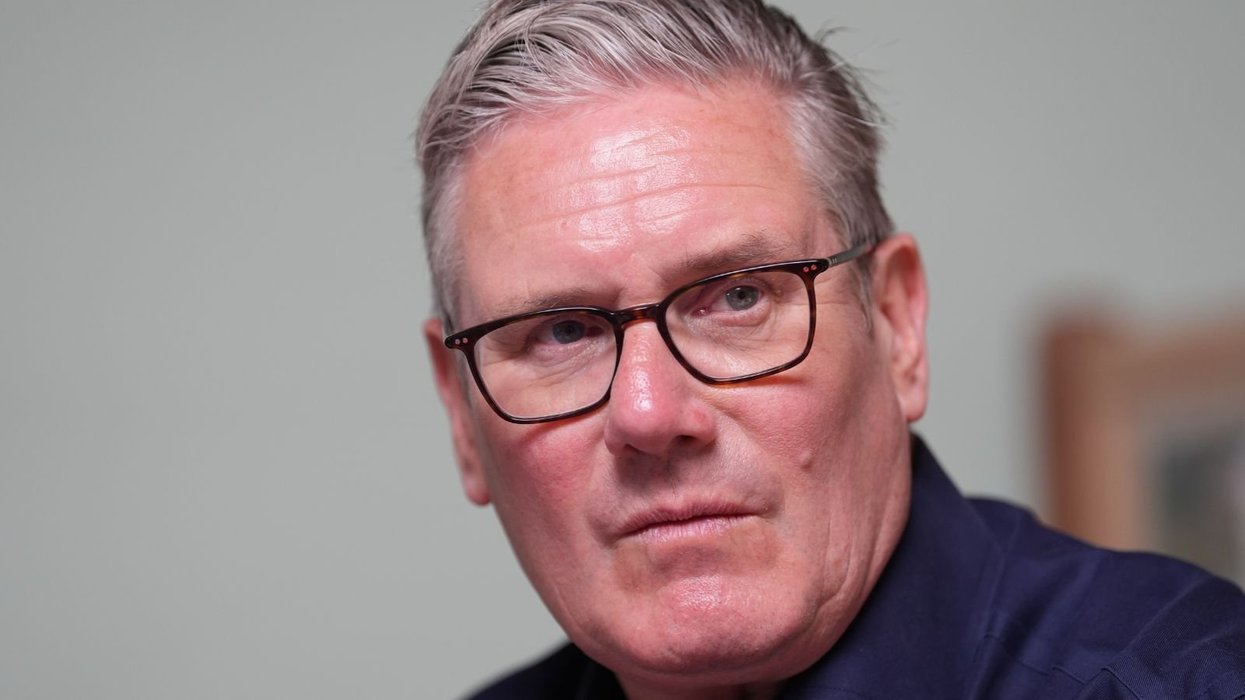
Keir Starmer accused Nigel Farage of politicising a tragic case
|PA



Did Starmer hide behind the Nowak family to prevent an awkward debate about racist policing?, asks the host of The Brazier Show on Outpost
Don't Miss

Most Read

My wife died nine years ago next month, after succumbing to the cancer that had taken hold of her in her forties. I was left with six children, all but one of whom was still at school. It was a tough time for all of us.
There were arguments aplenty. My late-wife left a big hole and I struggled to fill the void. And, to my discredit, when it came to fixing intra-family disputes the trump card, my nuclear option, was always: “what would Mum have wanted?” Or “would your Mother have agreed with that?”. It always felt like a low blow. But needs, I reasoned, must.
Which is strange. Because I’d previously argued that death should not be a tactic to help someone get what they want. When I worked at Sky News, as a TV presenter, I got into trouble - more than once - for the way I interviewed a woman called Debbie Purdy, who was dying a slow death from Multiple Sclerosis (MS).
Debbie, who died in 2014 at the age of 51, was from my home city of Bradford. But that’s where the parallels ended. Debbie was, unlike me, incredibly brave. She could see the end coming and wanted to end her life by assisted suicide, which then enjoyed far less public and parliamentary support than it has gone on to develop.
TRENDING
Stories
Videos
Your Say
Because of her condition, which left her in a wheelchair, and her intelligence (which made her a formidable advocate for voluntary euthanasia), Debbie became a leading voice in the campaign to change the law in favour of allowing Britons to legally end their own lives without fear of prosecution.
I had colleagues at Sky who treated her, in my opinion, with kid gloves. They didn’t want to be seen to be cruel to a victim. I didn’t see it that way. Yes, Debbie’s case was tragic. But she was on TV, first and foremost, as a campaigner. She had chosen to appear in front of the cameras.
When I interviewed Debbie, I didn’t hold back. Was this a function of my own Catholic conviction that assisted suicide is wrong? Maybe. It’s hard to leave deeply-held convictions at the door (which is why so many of my Left-wing TV-news former colleagues fail to represent the interests of their once numerous Right-wing viewers).
After one especially robust interview there was a flurry of complaints. How dare I treat a sick woman so callously! My defence? Because to treat her differently from anyone else would be to patronise and demean her.
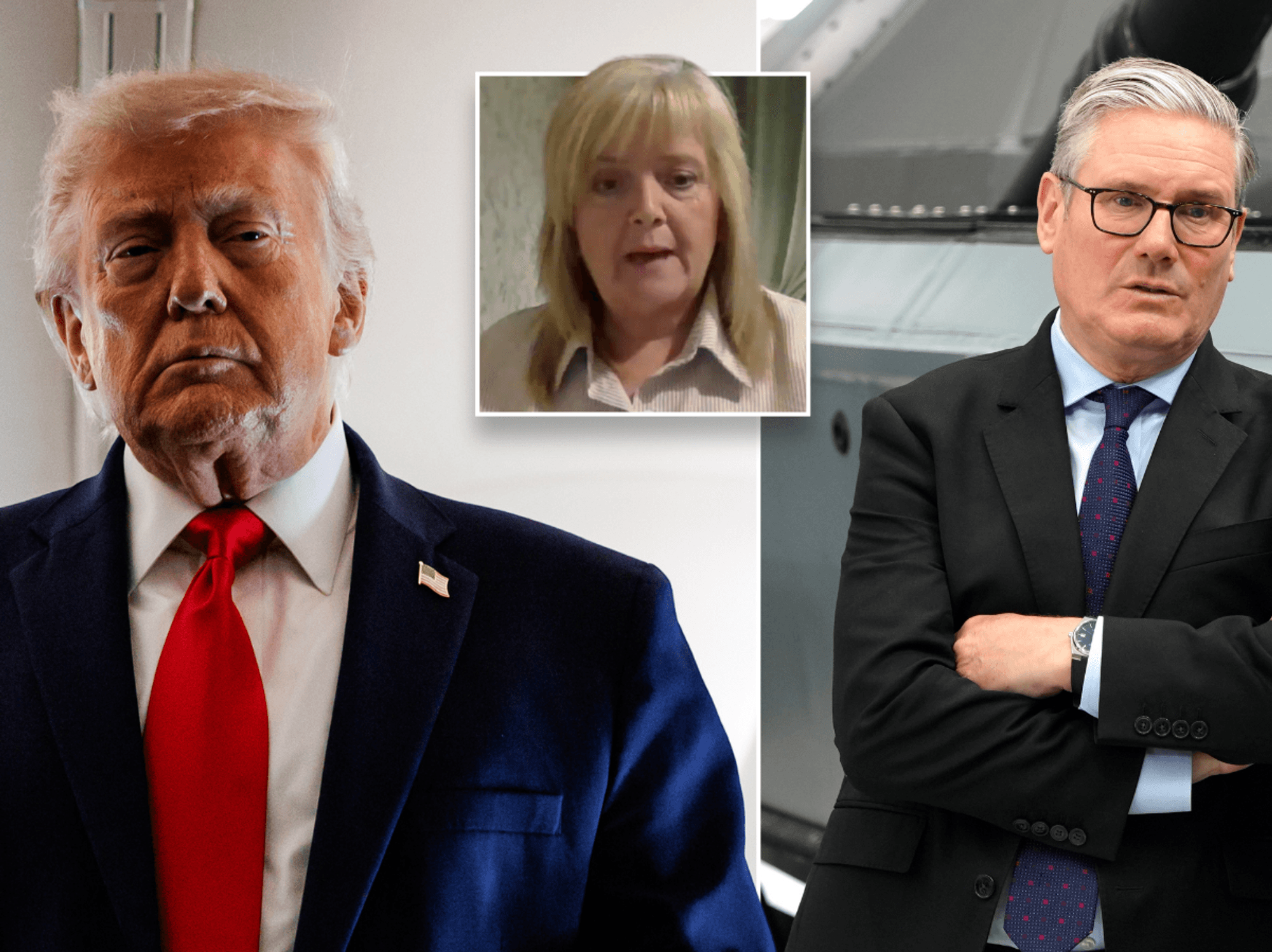
I thought about Debbie this week when Keir Starmer played his trump card against Nigel Farage. The Prime Minister is on the ropes. He is vulnerable to the charge of double standards and hypocrisy.
When George Floyd, whose death 4000-miles away in America sparked protests in Britain in 2020, Keir Starmer took the knee in support of Black Lives Matter. But when a British teenager, Henry Nowak, also died in police custody, the reaction from our political and media Establishment was much more muted.
Starmer accused Farage, who insisted this week that “white lives matter as much a black lives”, of politicising a tragic case. The prime minister had, presumably, forgotten that he had invited a photographer into his Parliamentary office in 2020 to take the picture of him taking the knee alongside Angela Rayner.
Starmer also criticised Farage for going against the wishes of Henry Nowak’s grieving family, who had requested that the student’s death did not “stoke divisions”.
Did Starmer hide behind the Nowak family to prevent an awkward debate about racist policing? Not anti-black racism, as in the George Floyd case in the US, but anti-white racism, here in the UK.
I believe he did. And that he did so, as a former lawyer, is particularly egregious. The case against Henry Nowak’s killer was brought by the Crown, on behalf of everyone. It wasn’t a private prosecution, paid for by grieving relatives.
Nobody wants to cause the Nowak family, who have behaved with infinite dignity, additional anguish. But this trial was brought for the public good. The issues it raises remain in the public domain and are, as with Debbie Purdue’s championing of assisted suicide, entirely legitimate subjects for political debate.
The idea that Starmer can, in desperation, evade scrutiny by saying it’s “what the family wanted”, is a reflection of where we are as a society.
Time was when the idea of anyone standing outside a court in front of the cameras would’ve been seen as outlandishly American and needlessly demonstrative. But times change.
I remember sitting in the Sky TV studio in 2009, covering the conviction of a pathetic woman called Karen Matthews, who had kidnapped her own daughter - Shannon - as part of a plot to cash a reward. The police officer leading the inquiry addressed the cameras that had gathered to cover the verdict. Karen Matthews was, he said, “pure evil”.
Karen Matthews may have been many things - broken, stupid, immoral - but “pure evil”? Maybe the officer had watched too many American cop dramas. Perhaps he simply wanted to make the most of his moment in the spotlight. Either way, it felt performative and exaggerated. If you like your cops to take the heat out of law enforcement, here was someone doing the opposite.
This personalisation of the justice system is now commonplace. Laws, once given drab procedural titles, are now named after individual victims. So, we have Martyn’s Law and Megan’s Law and Sarah’s Law. Even though these are laws for everyone.
And families now stand up outside court, having delivered victim impact statements inside court (first allowed in 2001, based on an American idea). When the families leave court many now feel almost obliged to make a statement (rather like grieving relatives at funerals often now feel it necessary to give a eulogy in person lest they "let down" their late-loved one).
That these families do so is amazing. I salute every last one that does. It requires a degree of fortitude, grace under pressure and composure that I cannot even begin to imagine.
But a grieving family’s eloquence does not carry legal force. They have every right to speak their mind. In the case of Henry Nowak’s father, he was right - in my opinion - to be hugely critical of the way police handcuffed his dying son after false allegations against him of racism.
But we also, as members of the public bound by the law, also have the right to discuss what a prosecution - pursued by the Crown, not a family - means for the rest of us.
Farage was, in my opinion, right to look at the case and draw from it the conclusion that White Lives Matter. And Black Lives Too.
Keir Starmer struck a grotesque and amoral new low by insisting that Farage had no right to say anything of the kind.