







Britain has become dangerously politically unstable. Prime Ministers arriving with promises of renewal are now leaving office only months or a few years later, weakened and rejected by voters.
While this continues, the country is increasingly run by unelected left-wing civil servants, anonymous in their Westminster bubble and growing more powerful with every fallen Prime Minister.
Since 2019, Britain has gone through four Prime Ministers in rapid succession. Boris Johnson governed for just over three years before collapsing under scandal and internal revolt.
Liz Truss lasted only 49 days - the shortest premiership in British history. Rishi Sunak remained in office for less than two years before voters swept the Conservatives aside.
The Tories fell victim to party infighting, but also to something deeper: a long drift away from their own voters. The Conservatives’ shift to the left since 2010 brought in two intakes of CINOs, adherents to Obama-style socialist and revanchist politics.
Too many politicians were more interested in headlines than in fundamental reform. Many forgot who elected them the minute they crossed the Westminster threshold.
Meanwhile, Britain outside Westminster watched living costs rise, crime worsen and trust in public institutions erode. The divide between major cities and the rest of the country has deepened, reinforcing the sense that politics is no longer being conducted in the interests of ordinary voters.
Now, after only two years in Downing Street, Sir Keir Starmer is already facing questions over his authority. As a horror-film replay, we watch things unfold in the Labour Party that so resemble the Tory struggles, but with a whiff of communist ideology.
As Starmer’s cabinet struggles to produce an economic strategy, the left of the Labour Party is reaching for the old, failed remedies: nationalisation, higher taxation, higher social benefits and legitimisation of radical-left groups.
It is as if they are laying a red carpet to Reform, or to any other party with a sense of national identity and an economic plan based more on Milton Friedman than on Karl Marx.
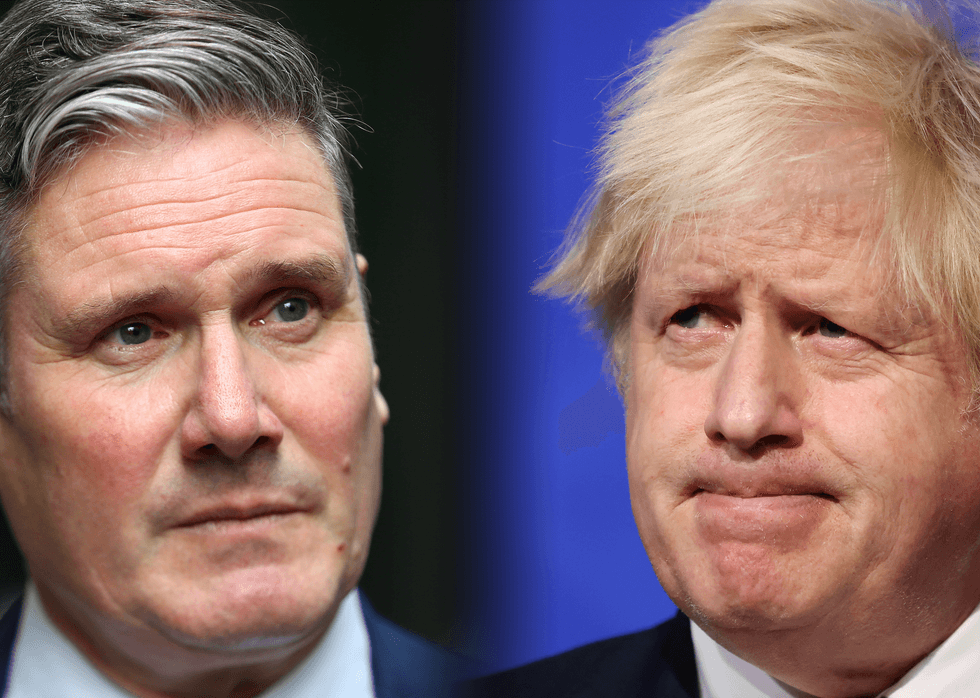
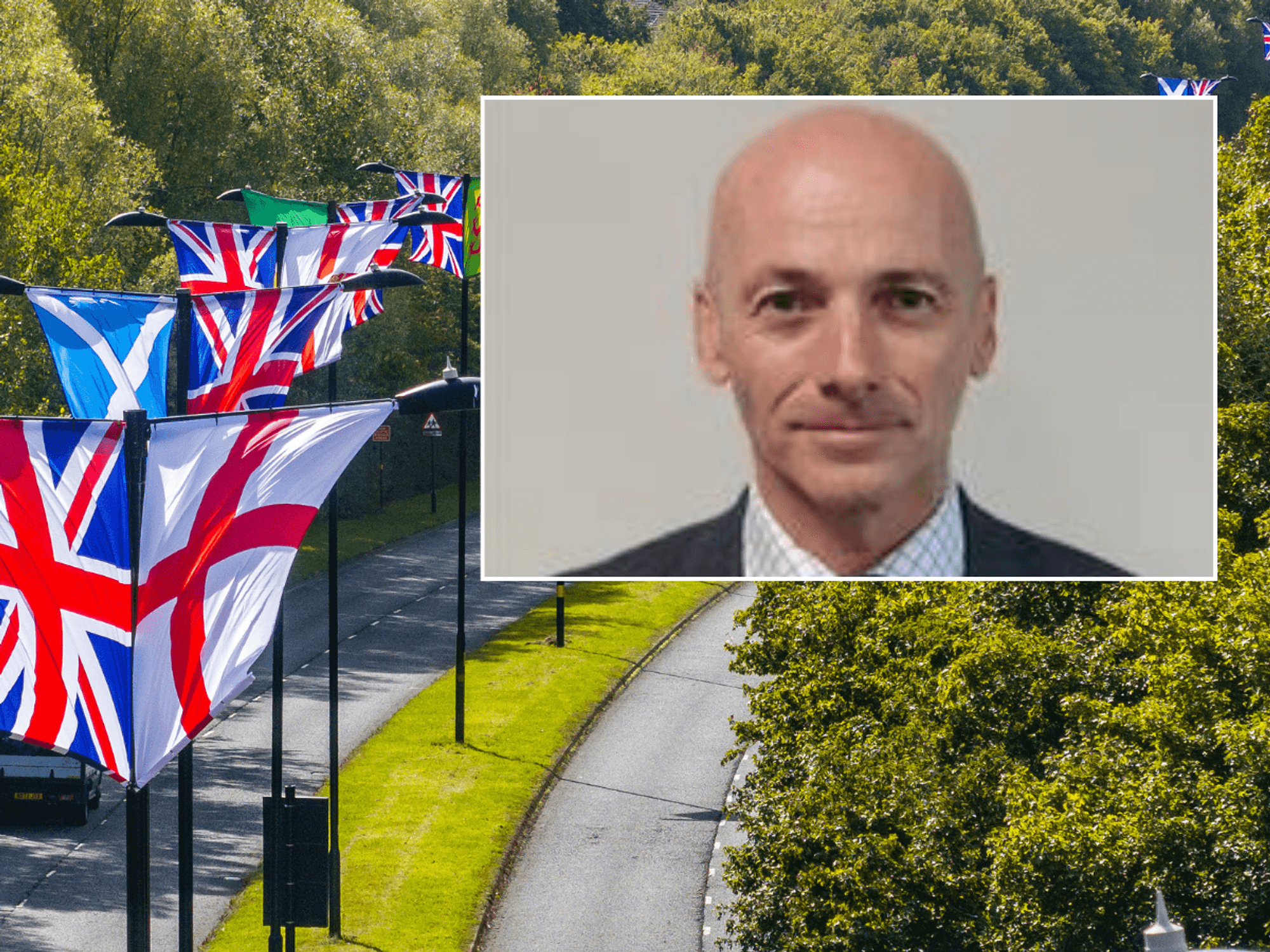
Britain’s revolving door of PMs shows something deeper is breaking in politics - Lubov Chernukhin
|Getty Images
This level of political turnover points to something deeper than individual leadership failures. Britain’s political system itself is struggling to maintain public trust, party unity and a coherent national direction.
It is the result of a generation of politicians who would rather be politically correct than economically correct, and who treated the electorate as an uninformed mass to be preached to.
What some dismiss as online radicalisation may also be an online awakening: voters discovering that their concerns about money, safety and national direction are widely shared.
Successive governments chose to police speech rather than address the causes of voter dissent, a failure to evolve with the times.
Across Europe, similar pressures are reshaping politics. Marine Le Pen’s party continues to gain ground in France, Alternative für Deutschland has become a major force in Germany, and Giorgia Meloni governs Italy from the right.
The pattern is clear: voters are moving away from establishment parties that they believe have failed on borders, living standards and national identity. People want conservative policy implemented by the right leaders.
Britain was arguably ahead of this trend. Brexit was not simply a vote about membership in the European Union. For many voters, it represented a broader rejection of a political consensus they believed no longer reflected their concerns on sovereignty, borders, economic security, personal safety and national identity.
What followed was years of political paralysis. Successive governments failed to define what post-Brexit Britain should become.
The chance of Britain becoming the “Singapore on the Thames” was wasted, a victim of left-wing politicians afraid of Brussels bullies.
The result has been growing frustration among voters, as the public still faces rising living costs and the consequences of having no serious economic or industrial strategy. Nobody has put Britain first, and the electorate sees this.
Nor is it just the Conservatives. Sir Keir Starmer’s recent speech signalling closer ties with the European Union illustrates the problem.
In attempting to “reset” relations with Brussels, he reopened the debate around Britain’s relationship with Europe at precisely the moment many voters are demanding stability and focus on domestic pressures.
The recent local election results reflected this frustration. Reform UK’s surge was not simply a protest against Labour or the Conservatives.
It was a departure by large parts of the electorate who feel politically unrepresented by the two main parties.
Many in Westminster still appear unable, or unwilling, to understand why this is happening. “Anything’s got to be better than this” seems to reflect the thinking of voters refusing to give up on their country.
The mainstream political parties face an existential dilemma, and of the two, the Tories are best positioned to take on Reform.
Not because voters trust them, but because they have an option to swing back to the right of centre. However, it remains to be seen if Conservatives will take this option and produce a bold, all-encompassing strategy to address economic failure, immigration, law and order and international alliances.
Reform is surging ahead, and unless something fundamental happens, they may be the answer to the question that once would have seemed absurd in modern British politics: when will the country finally have a Prime Minister who lasts a full term?