








Labour has forced its jury trial plan through the Commons for now, but the battle is nowhere near over. The threatened rebellion did not take place – and that’s because the Committee stage still lies ahead.
So the campaign to expose how little the Courts and Tribunals Bill will really do for victims or for justice must continue. It remains the case that while David Lammy is correct in his identification of the problem of delay, his analysis of the cause and proposed solution is wrong.
Scrapping juries is not just wrong in principle. As a solution to the problems of delay, it simply will not work. As I have written here before, trial by jury is not a decorative tradition.
It is the way the public themselves stand between the citizen and the state. A jury can acquit anybody. Ministers cannot lean on twelve people in a jury box.
That is why Sir Geoffrey Cox KC MP - in a bravura speech that illustrated the very best of the Commons and reduced his opponents to awkward, embarrassed barracking - told the Commons that juries are the cornerstone of our justice system and that removing them in large part risks demolishing the whole edifice.
The Government says this is all about victims. They are right about the extent of the problem. David Lammy points to an eighty thousand backlog with rape trials listed years ahead, and defendants and victims alike waiting far too long for their cases to be heard.
His answer is to judge only trials for offences with sentences of up to three years, more power for magistrates and a new filter on appeals.
Victims, we are told, will get “swift and fair” justice at last. Unfortunately, the numbers do not support their claims. Ministers say that they are aiming for headline reductions in Crown Court demand, but their own impact assessment admits only modest gains.
The Institute for Government calculates that even if judge-only trials are faster – and there is precious little evidence that that is the case - the reform saves at most a couple of per cent of court time. That does not transform an eighty-thousand-case backlog. It barely touches it.
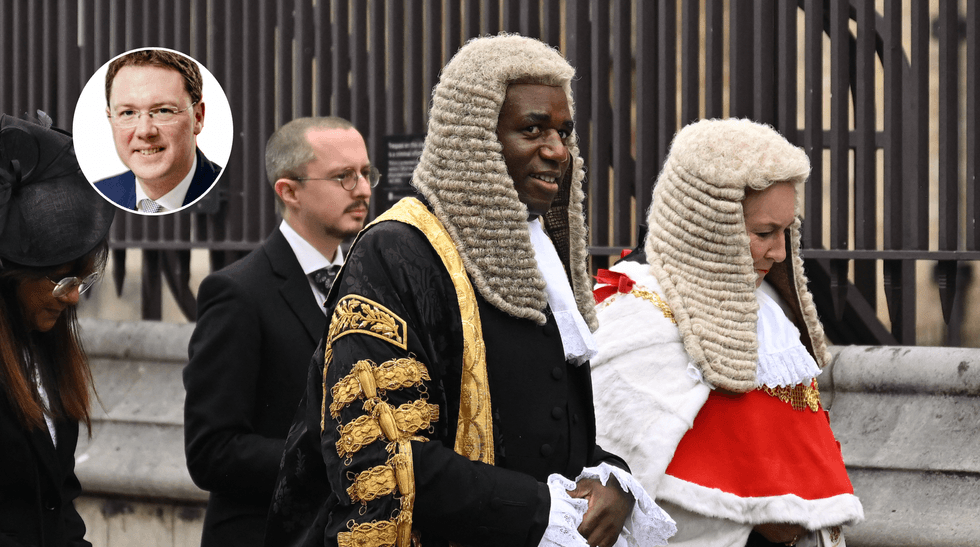
David Lammy is inflicting a wound on our constitution that won't work. He must be stopped - Robert Courts
|Getty Images
The legal profession has noticed – and we should all listen to what they have to say. The Bar Council says restricting juries carries “substantial risk and little gain” and that the change will make no meaningful difference to the existing backlog.
More than three thousand lawyers, including retired judges and former Bar Council chairs, have now written to the Prime Minister urging him to drop the idea.
The Criminal Bar Association points out that only around three per cent of criminal cases currently reach a jury at all. Even if Lammy halves that figure, he is tinkering at the edges while inflicting a constitutional wound.
A serious analysis of the crisis points elsewhere for the problems that have caused this backlog. The causes are a shortage of criminal lawyers, crumbling court buildings, caps on sitting days and basic administrative weaknesses. You do not improve prisoner escort results or leaky roofs by abolishing juries.
You fix the delays by doing the hard work of funding and running a justice system properly. Making it attractive for young lawyers to do criminal law, not better-paid commercial work.
Making sure that Crown Courts are able to sit all the time available to them – and extending Court hours - to hear all the cases that wait to be heard.
But all of that is why this presents such a problem for the Government. Unable, due to a lack of political control over recalcitrant backbenchers, to tackle a runaway welfare bill either to fund justice or, for that matter, defence, it reaches for the headline-grabbing lever that says “we are doing something” – but we should all be clear that what they are doing will achieve nothing at all.
That is why this fight must not be over. Committee stage and the Lords now matter. MPs and peers who claim to value British liberties must refuse to sign away an ancient right for a gimmick that will not reduce the backlog, will not help victims in any serious way and will leave the public with less faith in the fairness of our courts.
Our Standards: The GB News Editorial Charter
More From GB News