

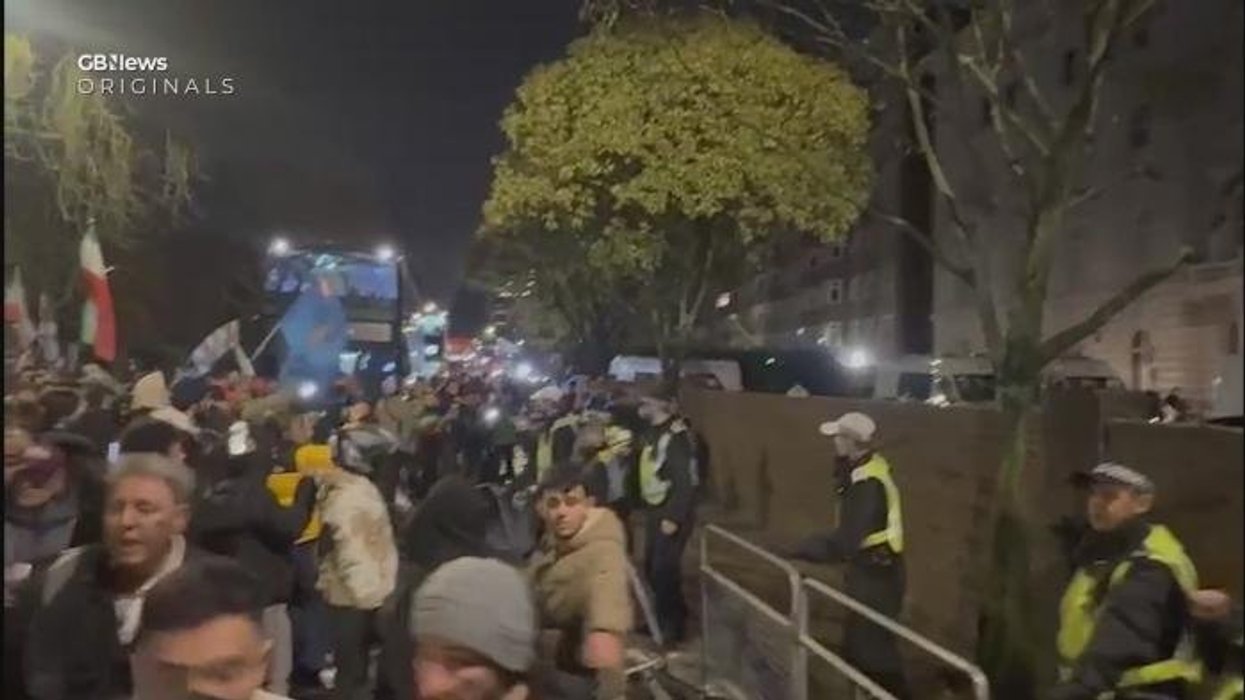





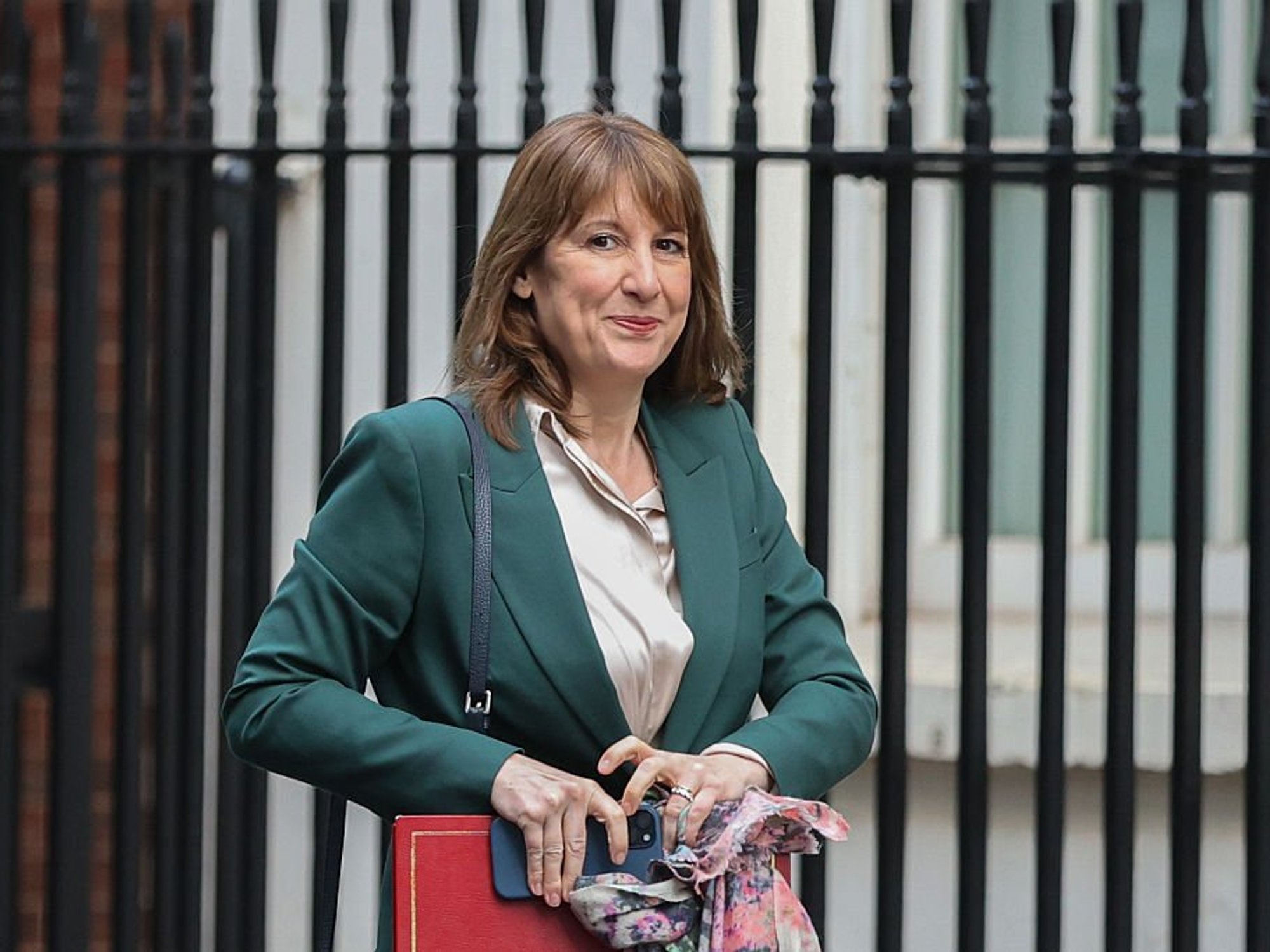
After weeks of burying its head in the sand, the British Government has finally responded to Iran’s bloody crackdown.
Ministers are preparing legislation to proscribe hostile state agencies, including the Islamic Revolutionary Guard Corps (IRGC), which has been accused of helping to massacre thousands of protesters in recent weeks.
Not before time. Credible reports indicate that this is the most brutal repression in the Islamic Republic's history.
Due to an ongoing government shutdown, estimates of the number killed vary, but it's clear that the regime is carrying out a state-sanctioned killing spree.
HRNANA, a human-rights monitor in Washington, has confirmed over 6,400 deaths. An opposition outlet has the toll as high as 36,000.
Labour, therefore, has a moral duty to ban the Islamic regime's goons from Britain, and it should fast-track the legislation accordingly.
But why stop there? This is the perfect opportunity to crack down on Islamism at home.
Reports indicate thousands of individuals linked to Islamist extremist activity are currently living among us.
In 2024, Islamists accounted for 80 per cent of the police’s counter-terror caseload, 75 per cent of MI5’s and 63 per cent of terrorists in custody.
In the year ending March 2025, of the 257 persons in custody for terrorism and terrorism-connected offences in Great Britain, 61 per cent were classed as ‘Islamist extremists' compared to the 29 per cent who fell under ‘extreme right wing'.
Zoom out and the picture becomes even more alarming. Islamist terrorists have been responsible for 94 per cent of all terror-related murders in Britain since 1999 and around 88 per cent of injuries caused by terrorism over the same period.
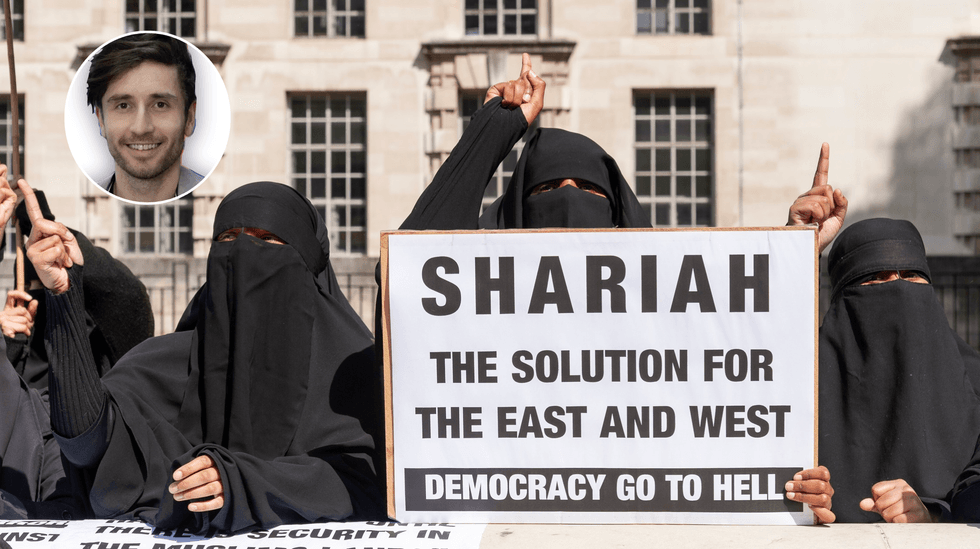
Banning Iran’s Revolutionary Guards is window dressing while we harbour Islamists at home - Adam Chapman
|Getty Images
And yet worryingly, figures published in November revealed that only 10 per cent of Prevent's caseload relates to Islamist extremism, down from 13 per cent in the previous year.
Either the threat of Islamism has miraculously receded, or the Government's anti-terror programme is no longer fit for purpose.
Our soft touch has been noted overseas. It emerged earlier this month that the United Arab Emirates curtailed subsidies for Emirati citizens to attend UK universities, citing concern that they would become radicalised by the Muslim Brotherhood.
The failure to tackle the problem head-on can be attributed to many factors. A 2023 report by William Shaw, the Shawcross review, argued that Prevent had lost focus on the threat of Islamist extremism by diverting too many resources to right-wing cases.
As the rape gang scandal highlights, fear of offending Muslims has also warped decision-making at the highest levels.
It's time to grow a backbone. Deporting foreign nationals who have links to Islamic extremism would be a good place to start. Furthermore, we need to ramp up surveillance efforts and turn the screws on faith leaders to root out radicals.
I also agree with James Price that Britain should follow Donald Trump’s administration and ban the Muslim Brotherhood.
What the Government shouldn't be doing is investing so much time and energy into finalising a definition of Islamophobia that will stifle any criticism of Islam.
As the arch-exporter of Islamism worldwide, taking a tougher line on Iran is clearly in Britain's national security interests.
However, these actions seem performative while Britain continues to harbour Islamists.
This moment should energise the fight against a rotten ideology.
I don't hold out much hope.
More From GB News