







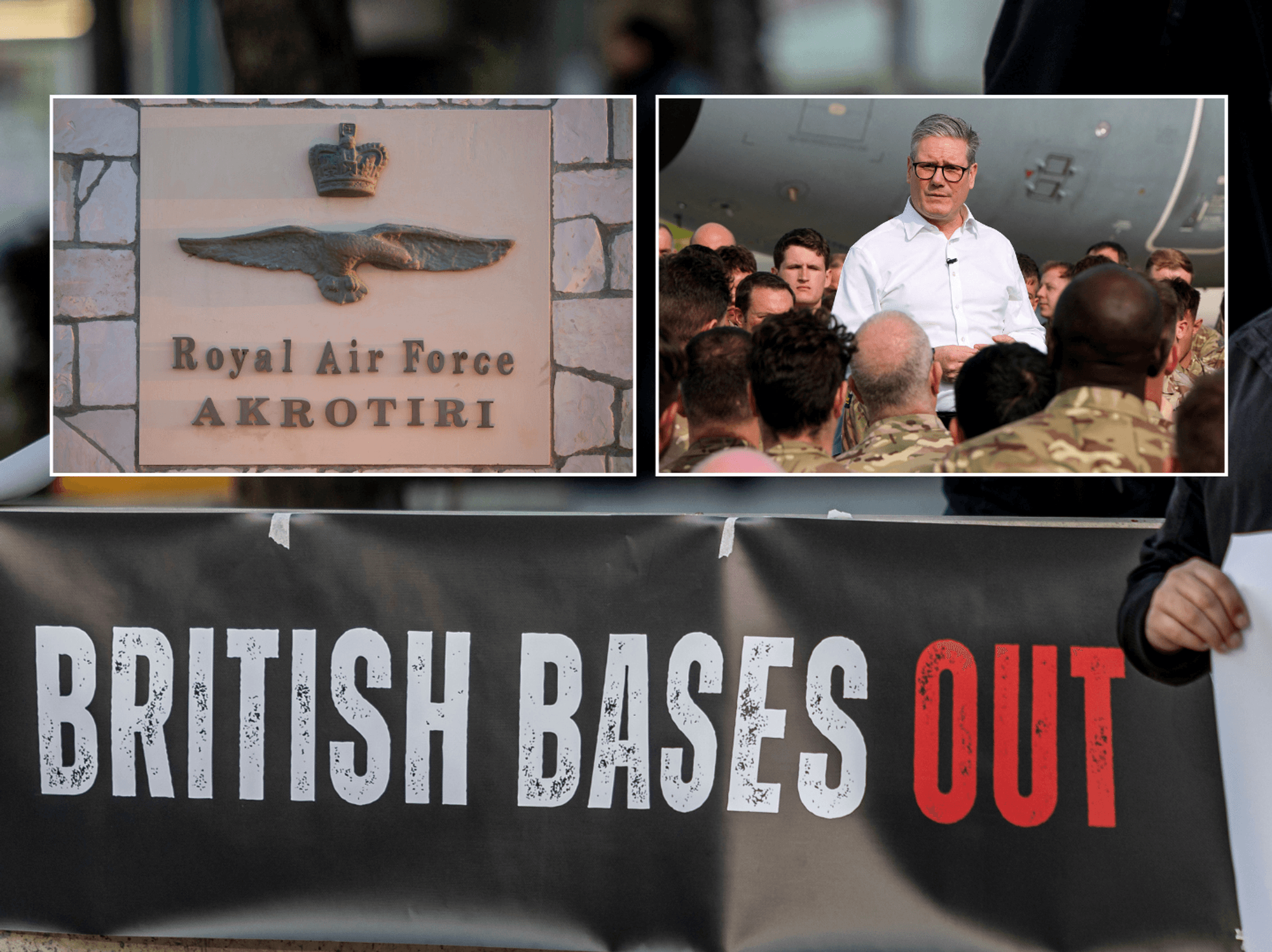
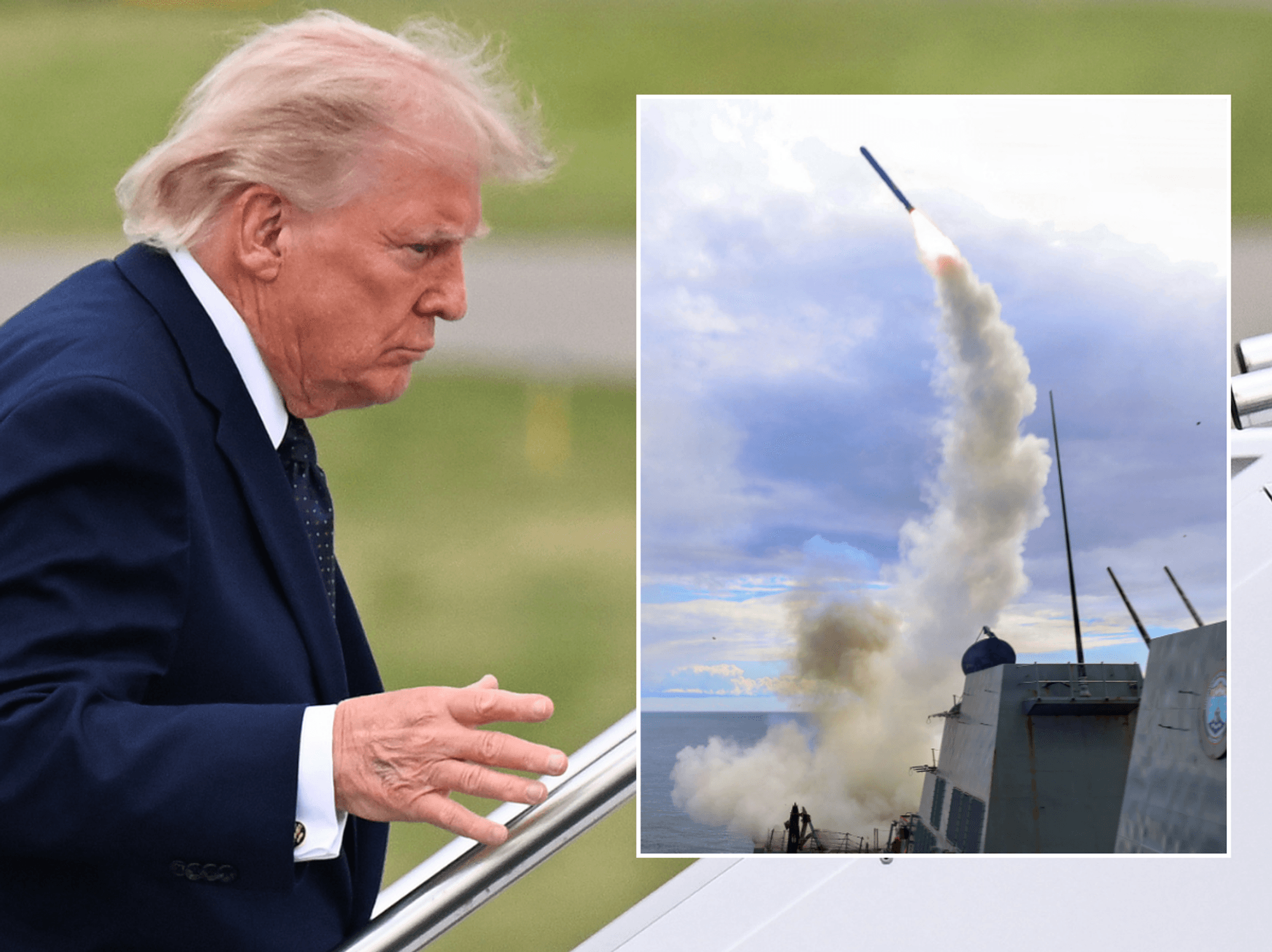
Trump's scorching recent takedowns of Starmer and Macron in the same breath broadcast a glaring reality: the world recognises Starmer has reduced Britain’s status to the level of France’s widespread reputation of surrender.
Britain forged its influence through courageous decisions in moments of crisis. France has earned a reputation for cutting and running. Those national contrasts have converged under Britain’s current leadership.
Trump first voiced the assessment at his administration’s Easter lunch gathering last week. Britain’s aircraft carriers are too old and broken down, he stated.
The request to send them into the Gulf during the Strait of Hormuz tensions produced the reply that officials would consult the team and meet next week.
The conflict would end well before any such meeting, Trump noted. He placed Emmanuel Macron in the same category of refusal.
NATO, despite vast American investment, remains a paper tiger. The United States acted alone and resolved the threat.
Monday’s press conference added historical weight.
Trump repeated the carrier details. He invoked Neville Chamberlain to show how hesitation before clear danger invites greater peril.
The parallel is precise. Britain once responded to aggression with immediate resolve. France has treated confrontation as a matter for negotiation and exit strategies.
Starmer’s government has shifted Britain closer to the second model.
Policy choices supply the first concrete example. Labour has trimmed defence budgets.
Procurement timelines for naval assets have stretched. The Queen Elizabeth-class carriers were built to project power from the Persian Gulf to the South China Sea. They stayed in port.
Readiness levels no longer support the Royal Navy’s historic reach. France has accepted a smaller naval profile for decades. Britain now risks the same assessment from its closest ally.
Leadership decisions form the second example. Starmer’s administration treats alliance requests as subjects for extended review.
Trump described the American approach in plain terms: the United States addressed the Gulf situation directly. Britain scheduled meetings. This pattern of delay signals to adversaries that collective action carries no guarantee.
American leadership under Trump delivers outcomes. British leadership under Starmer manages processes. The gap in tempo weakens the alliance.
Institutional realities provide the third example. The monarchy under King Charles retains its role as the symbol of constitutional continuity. Trump spoke warmly of the King’s forthcoming state visit.
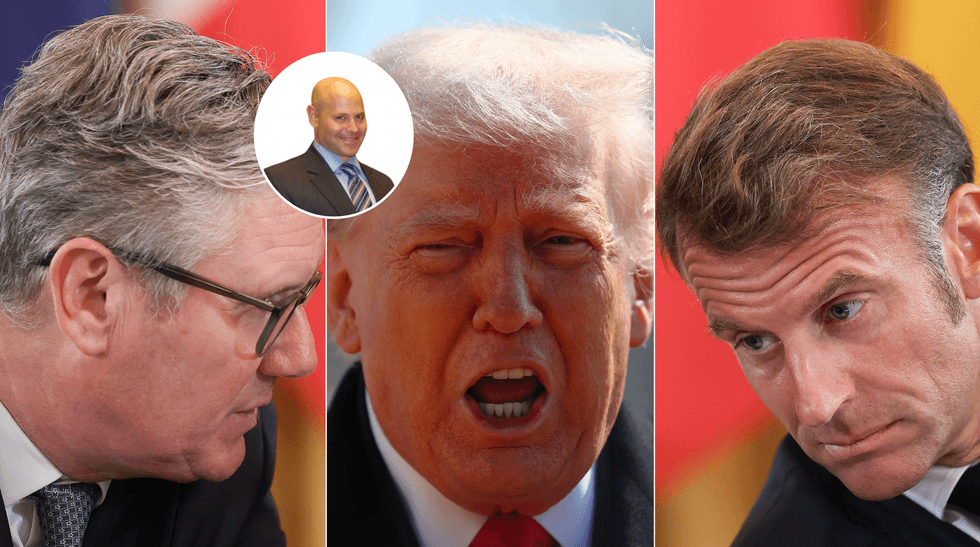
Donald Trump scorching Keir Starmer and Emmanuel Macron in same breath exposes a glaring reality - Lee Cohen
|Getty Images
The Government, by contrast, operates within short-term political constraints that dilute sovereign action. The Crown stands above ministerial calculations.
The current ministry does not. This separation highlights how one institution preserves prestige while the other erodes operational credibility.
The Transatlantic alliance has always rested on reciprocal strength. Trump has expressed consistent regard for Britain and its institutions.
His criticism arises from the expectation that the United Kingdom will meet American resolve with equal commitment. Post-Brexit Britain secured the mandate to act independently.
The 2016 vote rejected external oversight in favour of national control. Starmer’s government has not converted that mandate into consistent policy execution.
France retains its EU membership and the option to defer decisions collectively. Britain left that structure, yet now displays parallel caution in practice.
Trump’s Chamberlain reference in Monday’s conference sharpens the warning. Historical precedent demonstrates the cost of delay.
Britain recovered its position in 1940 only after paying a steep price. The 1982 Falklands deployment showed the same capacity for speed. Today’s Gulf episode follows a different script.
The United States handled the matter unilaterally. Allies who hesitate lose standing. The principle holds across eras: advertised weakness tests the resolve of partners and opponents alike.
Britain retains the resources to reverse this trajectory. Defence spending must rise to levels that match credible capabilities. Carrier refits must conclude without further postponement.
Alliance commitments must become binding rather than discretionary. These steps would restore operational credibility and honour the Brexit inheritance of sovereign decision-making.
The monarchy supplies the diplomatic foundation for stabilising the ship. The King’s visit proceeds on schedule. It reminds observers that Britain’s constitutional core endures independently of any single government.
The British people who voted for Brexit affirmed their preference for control over their destiny. That preference remains available.
Trump’s assessment from the White House does not diminish Britain’s past. It measures the present against that standard and finds a shortfall.
The contrast need not become permanent. Under new leadership, Britain can restore the decisive posture that once defined its global role. It can meet its time-tested ally as an equal in strength rather than a partner in consultation.
The logic is straightforward. Strength in alliance deters threats and preserves peace. Hesitation invites the very risks it seeks to avoid. Trump has stated the facts. Britain now faces the choice of response.
Our Standards: The GB News Editorial Charter