






For years, the BBC has responded to criticism in the same way - deny there is a problem, insist impartiality is intact, and suggest anyone raising concerns is acting in bad faith. That approach has finally hit a wall.
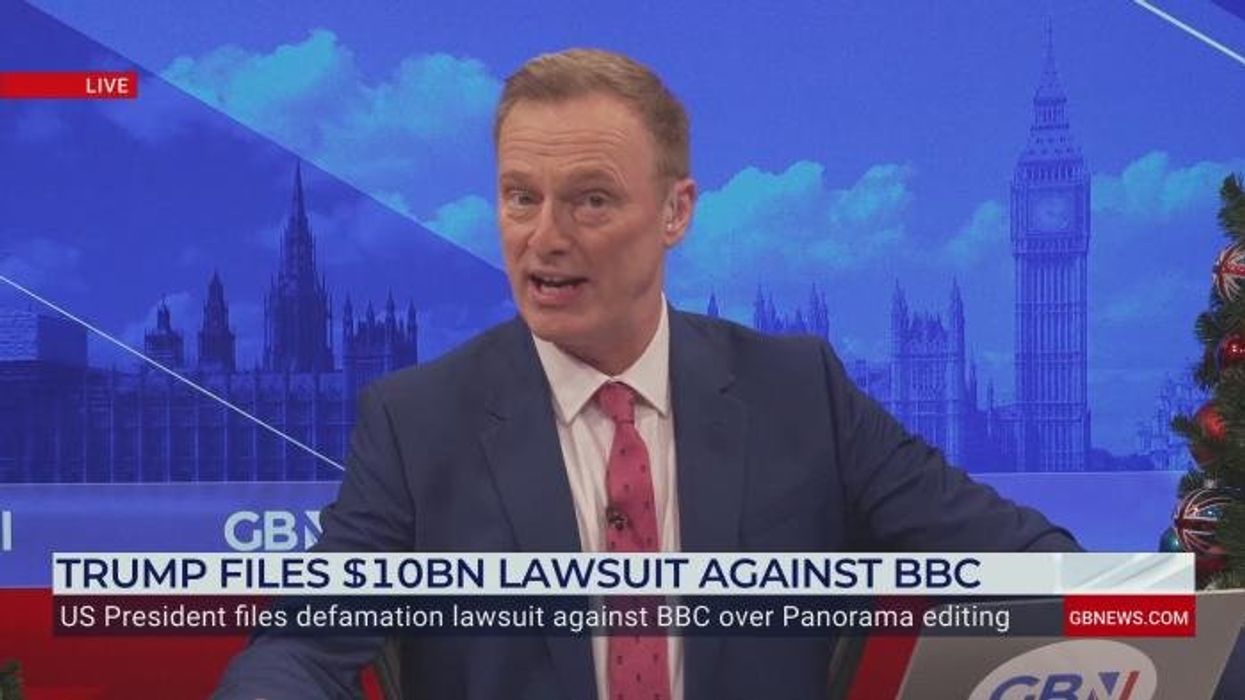
Donald Trump suing the BBC is not the story some will try to make it. This is not about whether you like Trump or loathe him. It is about a broadcaster that has repeatedly failed to take concerns about bias seriously and is now facing the consequences.
You can survive one row. You can even survive several. But when allegations of bias become a pattern, when people repeatedly feel talked down to or misrepresented, and when internal reviews change faces rather than culture, eventually someone powerful enough will force the issue. That is what this lawsuit represents.
At the time of senior resignations at the BBC, I said accountability mattered - but that changing people should not be confused with real change.
That point stands even more strongly today. The BBC has spent years treating bias as an external accusation rather than an internal problem.
The result is an organisation that keeps being surprised by public anger it should have anticipated. Many people watching at home have been saying this for years.
It is worth remembering that the Trump edit is just one of dozens of examples of BBC institutional bias highlighted in the leaked Prescott memo.
As Secretary of State at DCMS, I saw firsthand that concerns about BBC bias were real and deep-rooted. I made it a priority to tackle the issue, but repeated reshuffles and a change in government have not kept the BBC’s feet held to the fire.
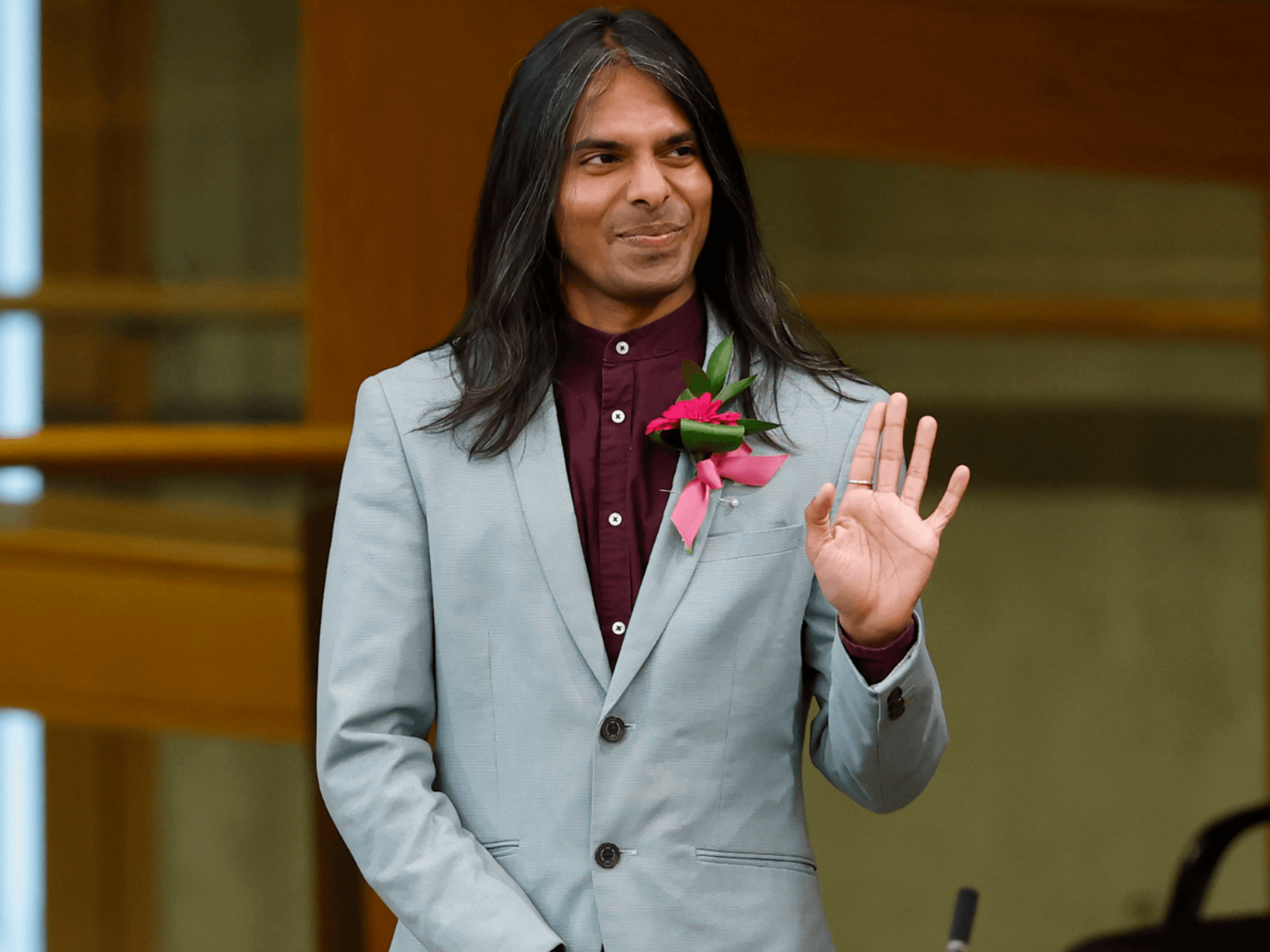
 Donald Trump has stripped away the BBC's comfort blanket. I've seen what lurks beneath it - Michelle Donelan |
 Getty Images
The BBC insists it is impartial. But impartiality cannot just be asserted. It must be demonstrated - day in, day out - especially by a publicly funded broadcaster that expects everyone to keep paying the licence fee.
Persistent bias is now cutting away at the BBC’s claim to be a public broadcaster - and it cannot be waved away as a perception problem.
What makes this moment different is that it cannot be smoothed over with a statement or an internal process.
A legal challenge - particularly one played out internationally - strips away the comfort blanket the BBC has relied on for too long. Editors and executives are no longer just answering to themselves or to Ofcom, but to a court.
Whether Trump ultimately wins or loses is almost beside the point. The damage to trust has already been done. And if the BBC treats this as a one-off attack rather than a warning sign, it will miss the opportunity in front of it.
The BBC cannot go on claiming to speak for the whole country while large numbers of people no longer recognise themselves in its output.
That is why the licence fee keeps coming back as an argument. That is why trust has ebbed away. And that is why challenges like this are no longer surprising.
This case should be a line in the sand. The BBC needs to stop explaining away criticism and start facing up to the scale of the problem.
That means acknowledging that bias is not just alleged from the outside but felt by people who have lost confidence in its output.
If it refuses to do that, pressure on the BBC to justify its role and its funding will only continue to grow.
More From GB News