

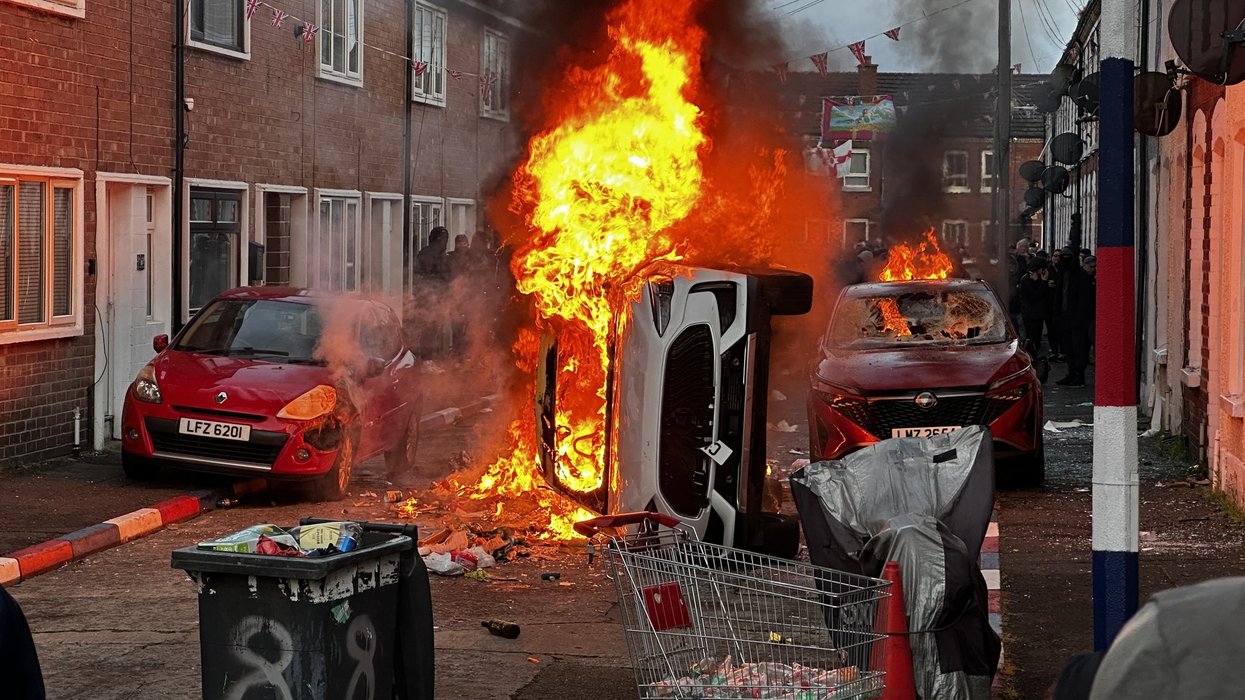






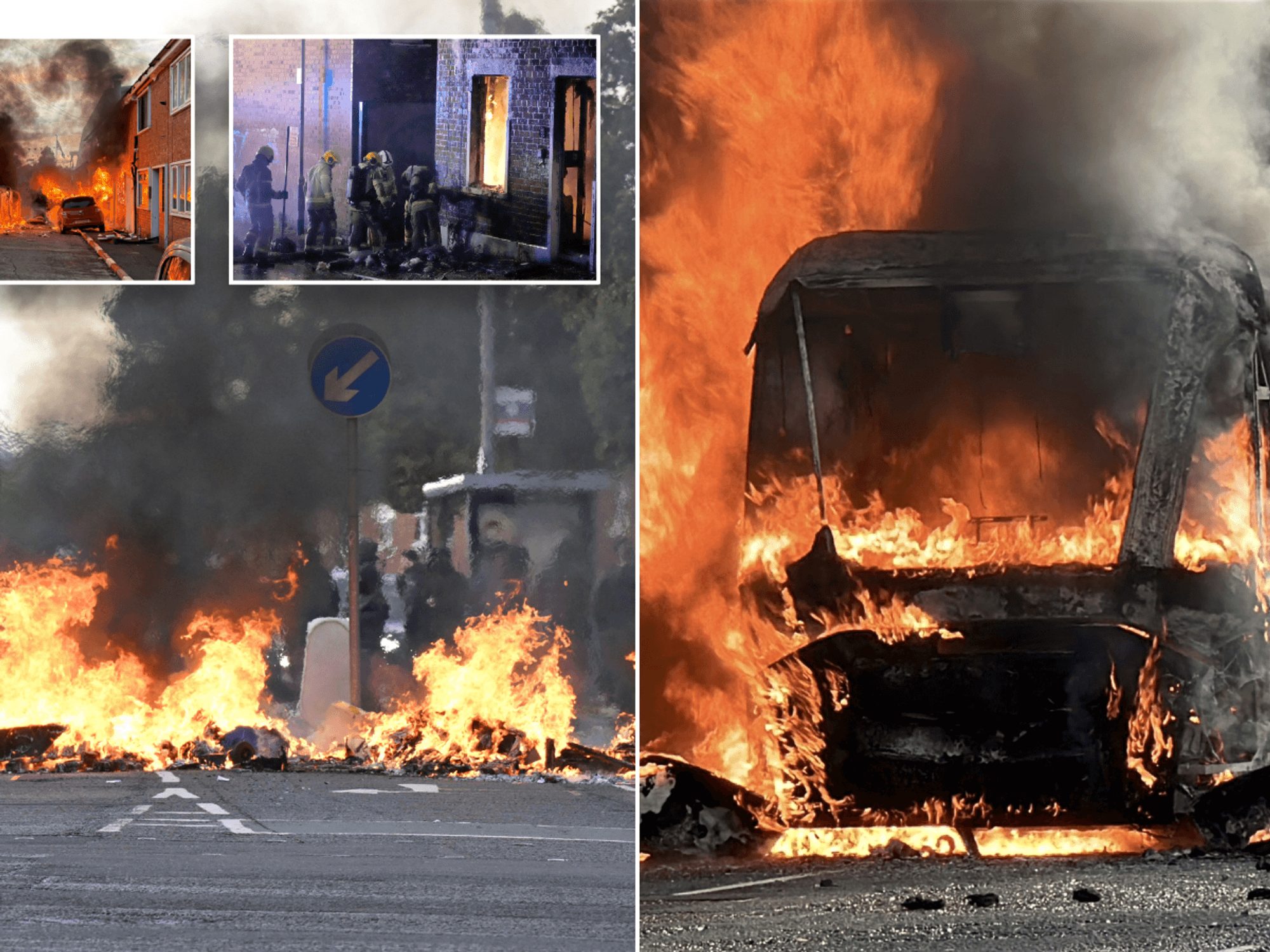
The images from Belfast this week were deeply disturbing.
Like many people, I found the footage of the stabbing difficult to watch. It was shocking, upsetting and, above all, a reminder of how quickly a single act of violence can send shockwaves through a community already carrying anxieties and tensions.
But what has followed has been equally troubling.
Across Belfast and elsewhere in Northern Ireland, we have seen disorder, attacks on property, buses set alight, police officers placed in danger and families frightened in their own homes. Whatever grievances people may have, whatever concerns they wish to raise, violence is never the answer.
TRENDING
Stories
Videos
Your Say
Those involved in rioting are not helping their cause. Quite the opposite.
If people genuinely want a serious conversation about immigration, border controls, asylum policy or community cohesion, then violence makes that conversation harder, not easier. It drives people into opposing camps, poisons public debate and ensures that legitimate questions become overshadowed by criminal behaviour.
That is why my message is simple.
The violence must stop.
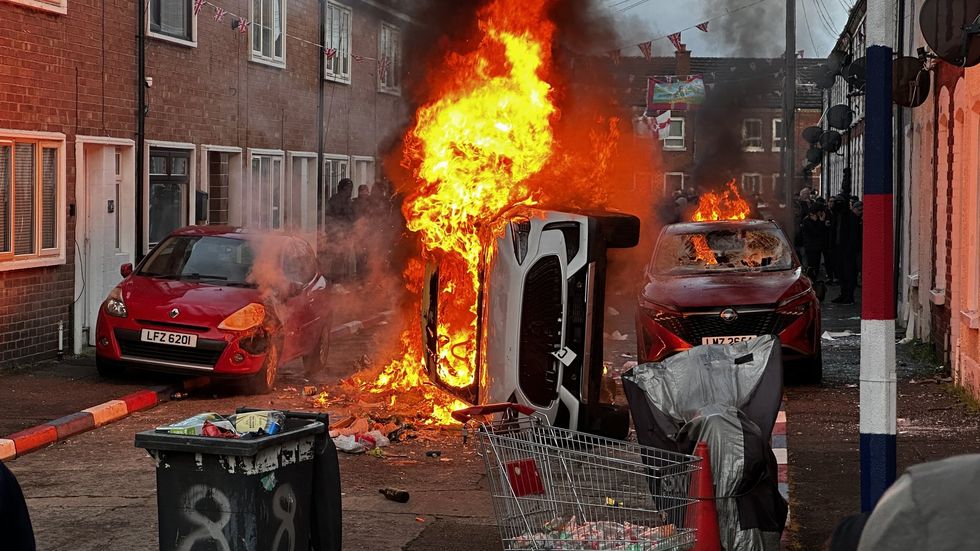 Belfast was left burning after thousands protested Monday's knife attack | PA
Young people need to come off the streets. Parents should be asking where their sons and daughters are. Too many young men risk ending up with criminal records that will affect their futures long after the headlines have faded. A moment of anger or excitement can carry consequences for years.
At the same time, politicians cannot simply pretend that concerns about immigration do not exist.
One of the mistakes increasingly made across these islands is the belief that raising questions about immigration automatically places someone beyond the pale. It does not.
People are entitled to ask how immigration is managed. They are entitled to ask whether systems are working properly. They are entitled to ask how public services, housing and local infrastructure cope with population pressures. Those are legitimate questions in any democracy.
LATEST DEVELOPMENTS
 Monday night's attack was filmed and circulated social media | X
 The overwhelming majority of people who raise such concerns are not extremists and are certainly not violent.
Equally, the overwhelming majority of migrants come here to work hard, contribute and build a better life. They should not be blamed for the actions of criminals, nor should they become targets for intimidation or attack.
A mature society should be capable of holding both truths at the same time.
The danger comes when political debate becomes so restricted that people feel their concerns are dismissed or ignored. When that happens, frustration grows, rumours spread and bad actors exploit the vacuum.
That is why politicians have a responsibility to lead.
The Chief Constable was right to point out that immigration policy is not a matter for the police. Police officers should not be expected to answer political questions. Their job is to uphold the law, protect the public and restore order. They already do so under immense pressure and with limited resources.
The responsibility for answering questions about immigration rests with elected representatives.
We need calm, honest and evidence-based discussions about immigration policy, border management, the Common Travel Area and the wider legal framework that governs these issues. Some will disagree strongly about the solutions. That is perfectly healthy in a democracy.
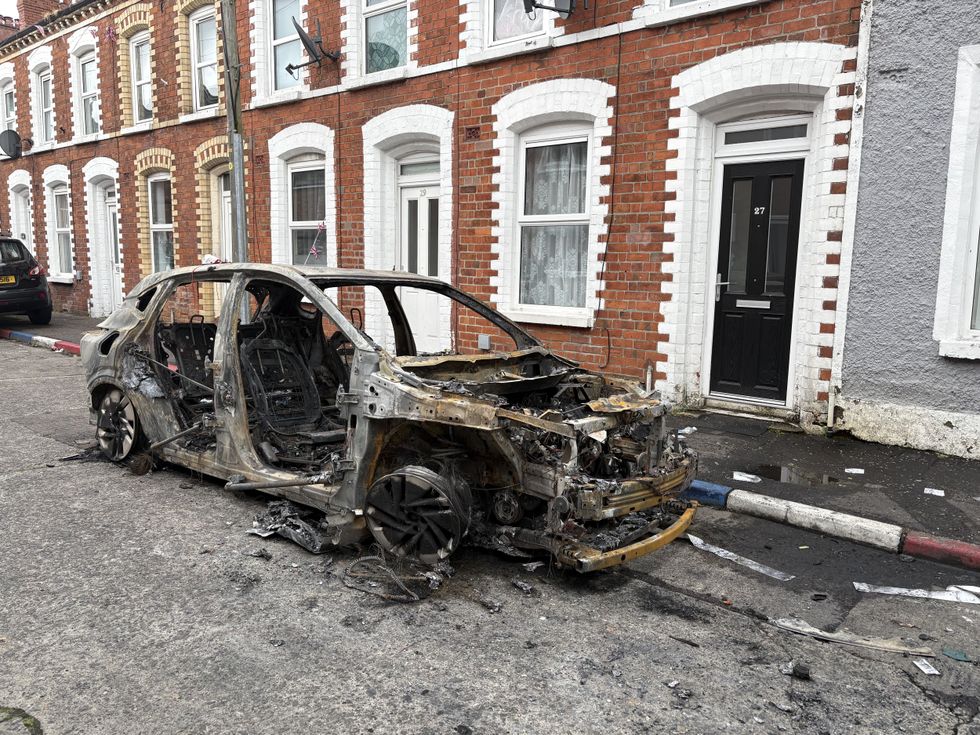 Burned out cars and houses on Lendrick Street in east Belfast | PA
What is unhealthy is the suggestion that these issues cannot even be discussed.
Northern Ireland has paid too high a price over many decades when politics left the debating chamber and spilled onto the streets. We know where that road leads. We know the damage it causes to communities, businesses and families.
We should have learned by now that violence achieves nothing except more division.
The challenge for political leaders today is therefore twofold: condemn violence unequivocally and create space for legitimate democratic debate.
Those objectives are not contradictory. In fact, they depend upon one another.
The people setting fires, throwing missiles and attacking property do not speak for Northern Ireland.
But neither should we dismiss the concerns that many law-abiding citizens wish to discuss.
The answer is not violence. It never was. There is always an alternative to violence.
The answer is politics, debate and democratic accountability.
That is where this argument belongs, and that is where it must remain.