







Like many of us, I’ve been concerned about Labour’s war on hospitality – including the ludicrous idea that the Government could ban the sale of zero-alcohol drinks to under 18s.
Of course, this move fits into the Labour narrative – or what’s left of it – that if you don’t like something, you must ban it.
Labour governments never explore other options first – slipping into a default position of ban first, ask questions later. Similarly, the ban on junk food advertising came into force earlier this year, meaning that before 9 pm there is a ban on television and paid online advertising for foods high in fat, salt and sugar.
Whilst, sadly, we can’t say the previous Conservative Government didn’t announce similar socialist policies, they did not introduce the law, and ultimately, this Government has chosen to pursue these policies.
The phrase ‘nanny state’ is often overused – but it nonetheless applies here. But one of the real problems around advertising ‘controversial’ products is the astonishing lack of consistency in how different products and services are treated and related advertising rules enforced.
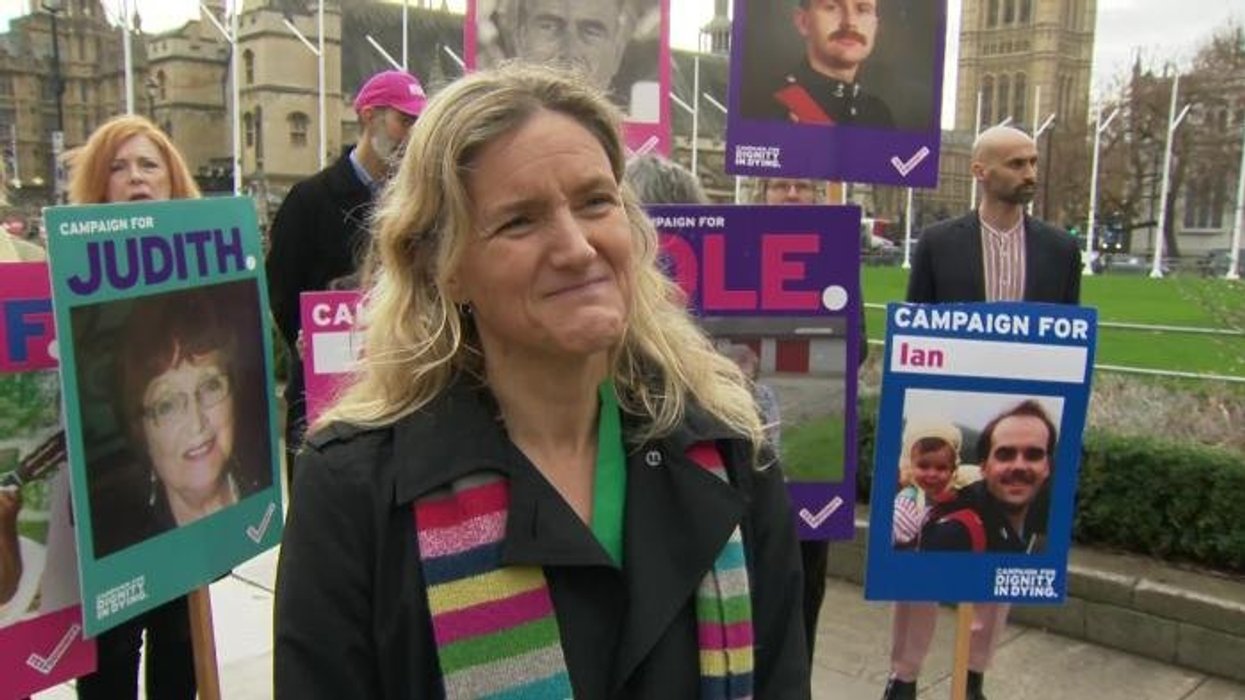
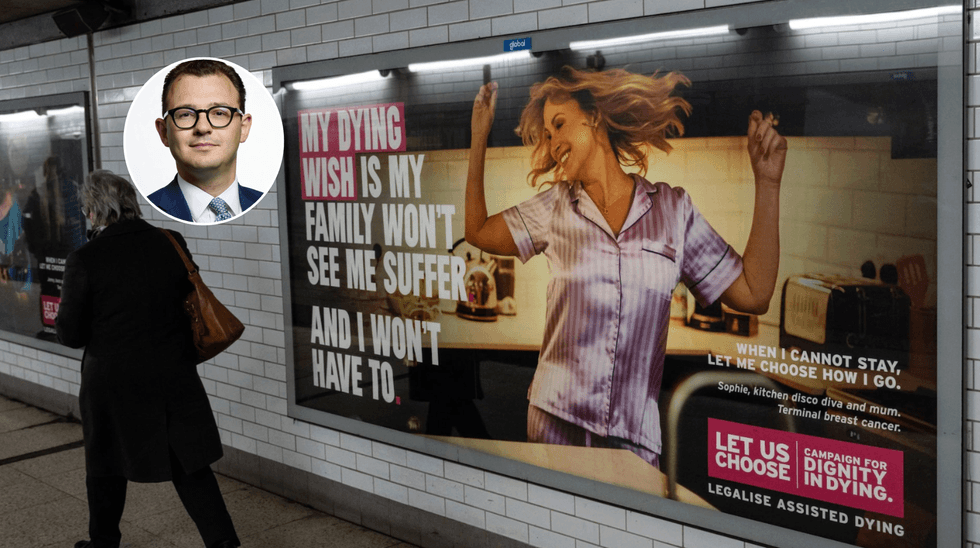
For example, in 2024, I was shocked by the abrasiveness of the Dignity in Dying advertising campaign in Westminster tube station in the lead-up to the Second Reading of the Terminally Ill Adults (End of Life Bill).
The ads showed a woman jumping with delight and referencing the campaign to legalise assisted suicide – clearly not something a civilised society should be advertising on the underground.
And yet TFL and the Advertising Standards Agency did nothing, and said it complied with the guidance. Adverts promoting assisted suicide are one thing.
But in recent months, my constituents have been bombarded with adverts on the radio and online about signing up to group actions against businesses which promise them financial reward for no apparent costs.
Often run by third-party ‘book builders’, these companies use aggressive advertising to encourage people to sign up to claims that may have tangentially affected them.
But while these companies create the potential cohort, they do not process the claims themselves, instead handing them over to claimant law firms.
High street vendors like the Co–op and M&S, the victims of malicious criminal hacks, are some examples of British companies currently being pursued in this way.
Only Labour could ban Big Mac ads while assisted dying gets the billboard treatment - Jack Rankin
|Getty Images
The real problem with this industry is that often they claim to be ‘no win, no fee’, and who would turn down the chance for free money in this economy?
But despite the fact that claims often promise huge financial gain and deliver very little, in many cases, the claim that there are no fees is simply not true. Exit fees for anyone who decides they want to leave a claim are often hidden in small print.
As reported earlier this year, some “no win, no fee” legal firms may end up charging as much as £175 an hour to clients if they withdraw from the class actions.
It’s no surprise the FCA are currently looking into the future of exit fees, and it is something about which we Conservatives should advocate tougher action.
Clearly claiming “no win, no fee” on advertising has the potential to be more misleading and damaging than advertising a Big Mac.
It is unfathomable that the state believes people can’t be trusted to figure out that a burger comes with a lot of calories, but is comfortable allowing complex financial products to be advertised with ropey slogans and minimal disclosure.
Decisions with long-term implications, like signing up to a legal case that could take years, need to be clearly explained.
We should be looking to protect constituents, consumers and the British public from deceptive advertising – like “no win, no fee” claims – rather than junk food.
People look to governments and politicians for consistency in approach – and when you cannot advertise a Big Mac, but you can someone rejoicing about an assisted suicide, something is not quite right.