










This week, the Ministry of Defence issued what, at first glance, looked like a routine press release. In reality, it amounted to a quiet acknowledgement that Cold War 2.0 is no longer a debating point — it is policy.
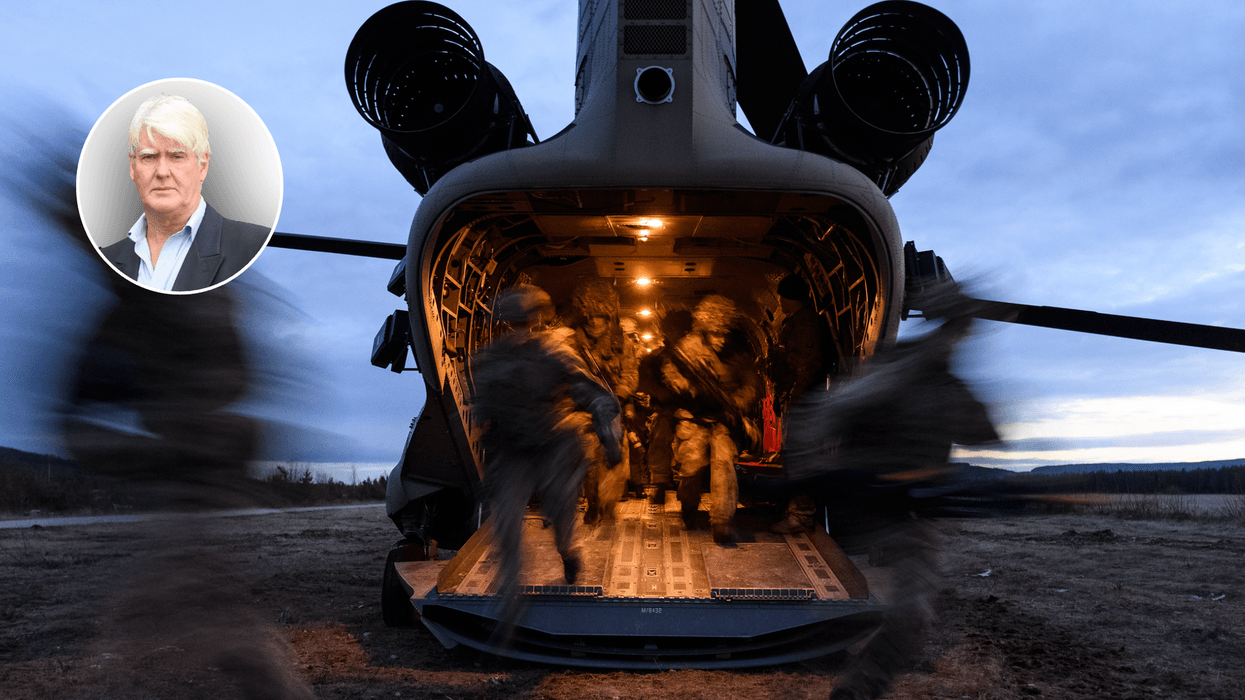
Britain will double its troop presence in Norway, increasing numbers from 1,000 to 2,000 over the next three years. UK forces will play a central role in NATO’s new Arctic Sentry mission.
Major exercises across the High North are already in the pipeline. The tone was measured, administrative, almost bland. The strategic meaning is not.
As a Former British Army officer, I was taught to look beyond the phrasing of official statements. The language is rarely the point. Capability, geography and logistics tell the real story. And the story here is straightforward: the Arctic has returned as a frontline of European security.
Russia has not stumbled into this position by accident. For years, it has rebuilt and modernised its northern military infrastructure. Soviet-era bases have been reopened. Air defence networks upgraded. Submarine activity in the North Atlantic increased.
The Kola Peninsula remains central to Moscow’s naval nuclear deterrent. From the Kremlin’s perspective, the High North is both shield and sword — a region that protects its strategic assets while offering leverage over Atlantic sea lanes.
For Britain, the Arctic is not an abstract theatre. It is the northern gateway to the Atlantic. In any serious European crisis, it is through these waters that reinforcements and supplies would travel.
Beneath the surface lie critical undersea cables and energy links that sustain our economy. Disruption there would not be remote or theoretical; it would be felt directly in British homes and businesses.
When ministers speak of strengthening deterrence and protecting critical national infrastructure, they are acknowledging a shift that has been building for some time. The strategic contest with Russia has moved northwards. Pretending otherwise would be complacent.
This is not an escalation. It is overdue realism.
During the original Cold War, NATO preserved stability because it maintained a credible capability. The Soviet Union understood that aggression would encounter unified resistance. Deterrence works only when it is believable. Allow the capability to atrophy, and the calculation changes.
 Britain braces for Arctic showdown with Vladimir Putin as Cold War 2.0 kicks in - Lt Colonel Stuart Crawford | Getty Images
Doubling Britain’s presence in Norway is therefore sensible. Our Royal Marines possess genuine cold-weather expertise. Norway has long been a key training partner.
With Sweden and Finland now NATO members, the northern flank has been transformed strategically. Integration and coordination are no longer optional; they are essential.
Yet announcements must translate into readiness.
Arctic operations require specialised equipment, resilient logistics and properly manned formations. Ships must be deployable. Aircraft must be crewed. Units must be trained for sustained operations in extreme conditions. If ambition outpaces capability, deterrence weakens rather than strengthens.
There is also a longer-term dynamic. As polar ice recedes, new shipping routes and resource opportunities are emerging.
Russia has invested heavily in Arctic infrastructure, icebreakers and military facilities. It recognises both economic and strategic advantage. The West must respond with clarity, not hesitation.
Describing this moment as Cold War 2.0 is not theatrical. It reflects a structural reality: sustained strategic competition with a revisionist power has returned to Europe’s periphery. The MoD’s understated release masks a significant repositioning.
The High North is no longer peripheral. It is central to Britain’s security. Preparedness is not provocation. It is prudence — and Britain has just signalled that it understands the difference.