





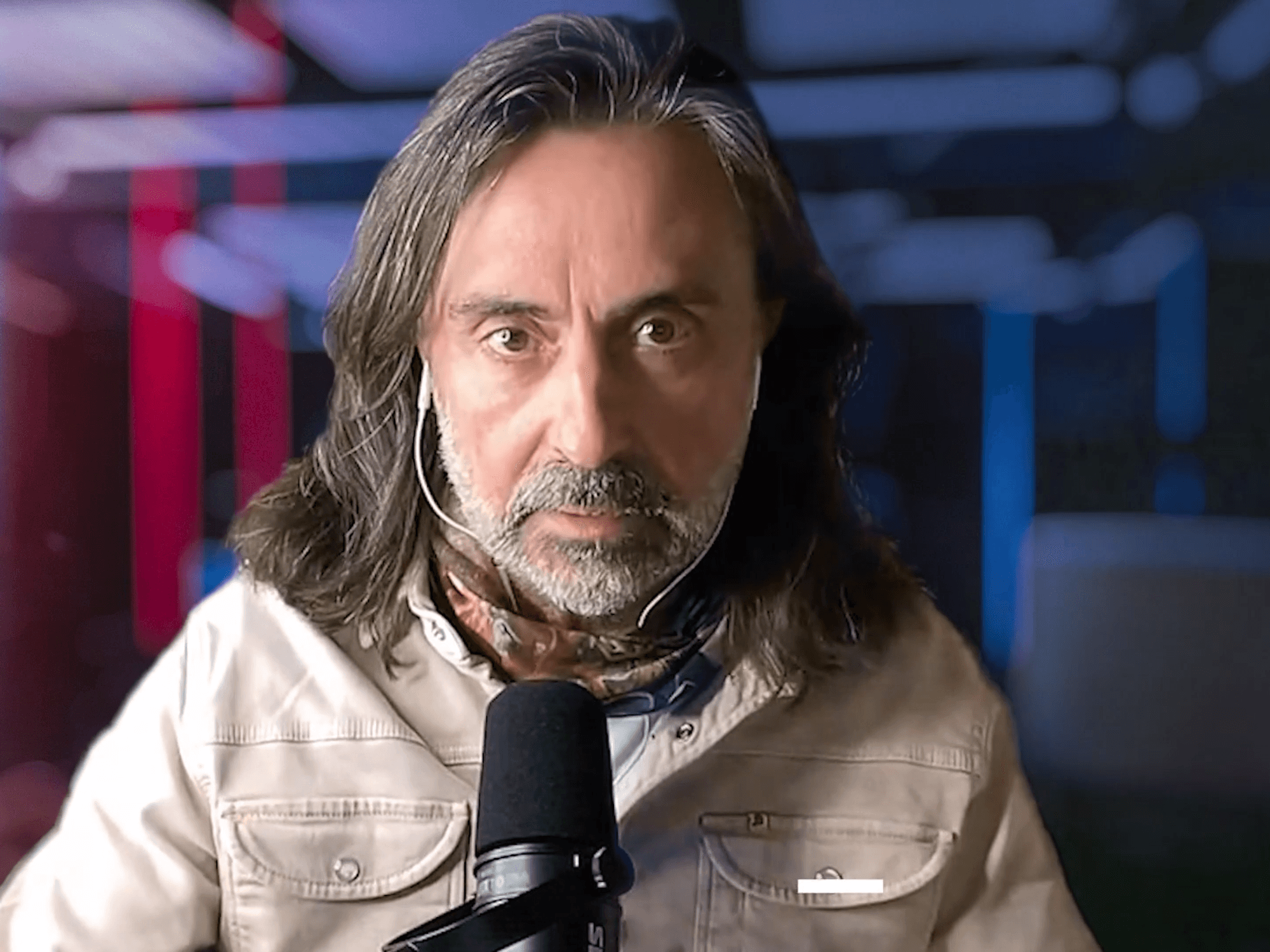
Robert Harris is our best living historical novelist. We were colleagues in the days when he was a political journalist. Shortly after his first book, Fatherland, propelled him to fame, we were due to have lunch together.
Robert had to cancel because he was off to Hollywood unexpectedly to negotiate a film deal, the best reason I’ve ever been given for ducking out of lunch.
His trilogy about the Roman statesman Cicero, which began with the publication of Imperium in 2006 and ended with Dictator in 2015, is a masterpiece.
What he makes clear is how little politics has changed in 2,000 years, so the books do not just closely follow history but are also a commentary on Britain’s more recent political past.
In Imperium, Cicero comes across as Tony Blair – both barristers, both about the same age when they came to power.
In the second book, Lustrum, Cicero appears to morph into Robert’s best friend Peter Mandelson to whom it is dedicated, both men sharing the same characteristics of cleverness, guile and ruthlessness.
And by Dictator I could swear our hero had turned into Ed Miliband, a fundamentally decent and accomplished man with a fine intellect who comes a cropper as the then Labour leader did in the 2015 election.
Cicero even has good advice for PMs about not doing too many Cabinet reshuffles, saying of Julius Caesar: “Julius the god seems to have forgotten what Julius the politician never would: that every time you fill an appointment, you make one man grateful and ten resentful.”
I do wonder who Cicero might be if Robert were writing about him today? Keir Starmer or Andy Burnham perhaps?
Nigel Farage or Suella Braverman, possibly? He would have plenty of material to work with – betrayals, defections, leadership plots, harsh words and cock-ups.
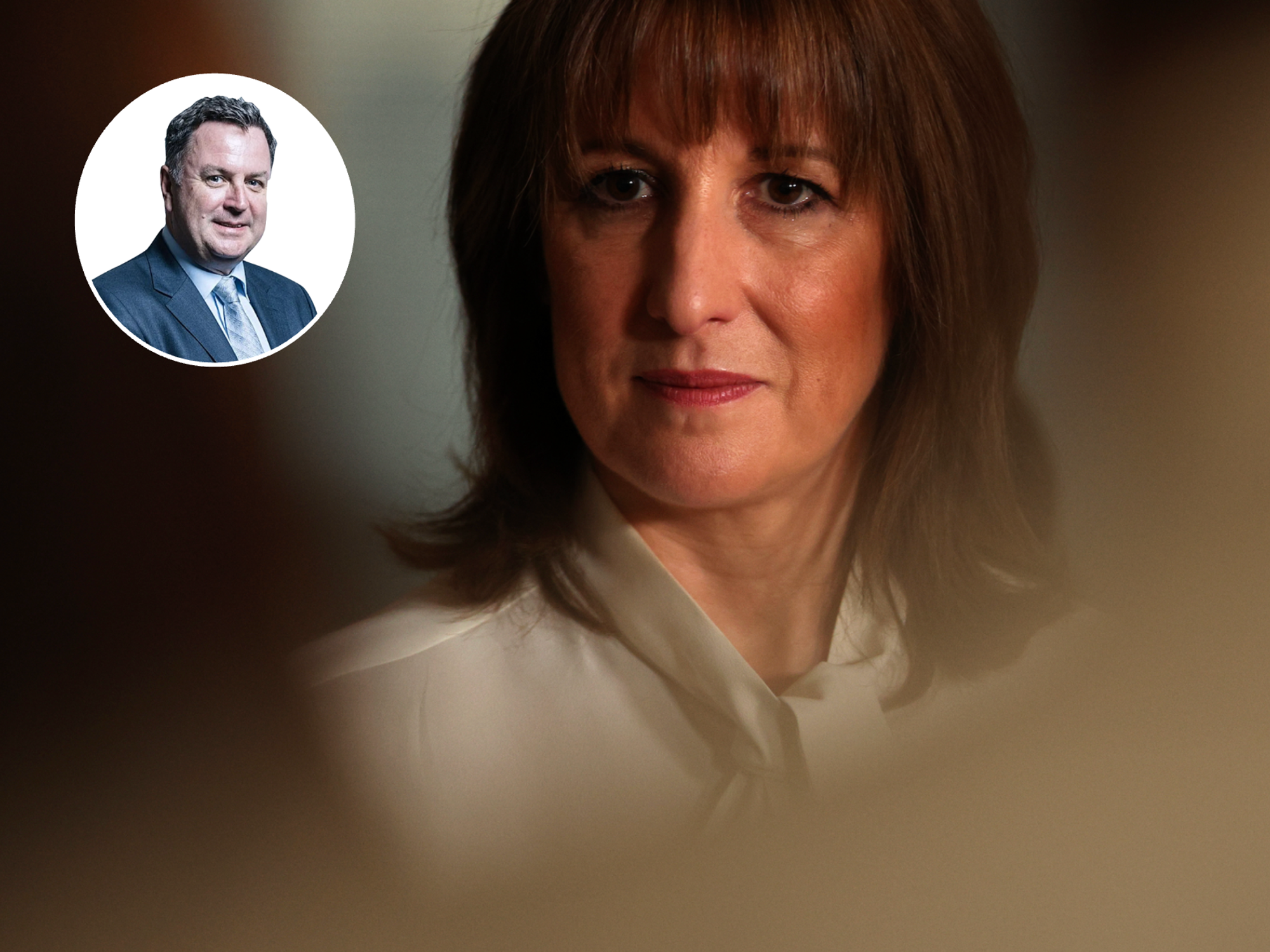
It was appalling that Mr Burnham had to learn from the media that he had been blocked from becoming an MP by Labour’s ruling national executive before being informed personally.
It was disgusting that the Tories smeared Ms Braverman with “mental health” claims as a reason for her defection. It was quickly retracted, but the damage was done. No wonder she gave the party such a trashing.

Andy Burnham and Suella Braverman just paved the way for Britain's rarest political alliance - Nigel Nelson
|Getty Images
But there is another comparison with ancient Rome. In Cicero’s day, the Roman Republic was run by power-sharing triumvirates, firstly made up of Caesar, Pompey and Crassus.
And then by Octavian, Antony and Lepidus. And it is increasingly possible we could end up being run by one, too, as coalitions become more likely. The first could be in Wales following May’s local elections.
I take issue with Reform that Britain is broken. But our two-party system most certainly is. Reform dominates the right with the Greens coming up on the left, and Labour and the Tories floundering in the middle.
Reform may still have a commanding lead in the polls, but expect that to narrow as the general election approaches. There are at least seven million floating voters out there to muddy the waters.
Coalitions are rare because of our first-past-the-post voting system. Labour got a third of the vote last year and two-thirds of the MPs because of it.
But they can happen, as the 2010 result proved. And they are not necessarily a bad thing. The Lib Dem/Conservative coalition under David Cameron tempered some of the worst Tory excesses, while the Libs were able to introduce some innovative ideas of their own.
I sat down with the then Lib Dem leader Nick Clegg before that election campaign began and laughed when he told me how he planned to increase the personal tax-free allowance by £1,000 from £6,475. “You’ll never get that through,” I scoffed.
But he did. And it now stands at £12,570, which means one in three working people pays no tax, despite a freeze introduced by the Tories and maintained under Labour.
The then-Tory Chancellor George Osborne took credit for that, but the hat tip should go to Mr Clegg.
Now Nigel Farage is upending British politics in a way never before seen in our lifetimes. And unlike the life of Cicero, this drama is far from over.
More From GB News