









The Kremlin is said to have switched off CCTV protecting Vladmir Putin over fears the cameras could lead to his assassination.
The decision is believed to have been taken after Israeli operatives used compromised cameras in Tehran during the operation that killed Supreme Leader Ali Khamenei.
Moscow feared that similar methods might be brought in to track the movements of senior Russian officials.
The CCTV system operates separately from the vast network of hundreds of thousands of devices used to keep tabs on ordinary Russian citizens.
Engineers only restored the system after attempting to disconnect it from the internet, the Financial Times revealed, citing individuals with knowledge of the situation.
Israeli agents had gathered enormous quantities of footage from Tehran's traffic monitoring cameras before taking out the Ayatollah.
They then employed AI-driven software to process millions of hours of recorded material.
This enabled them to chart the Iranian capital, track behavioural patterns among security staff, and determine precisely when and where Iran's Supreme Leader would meet with his senior advisers.
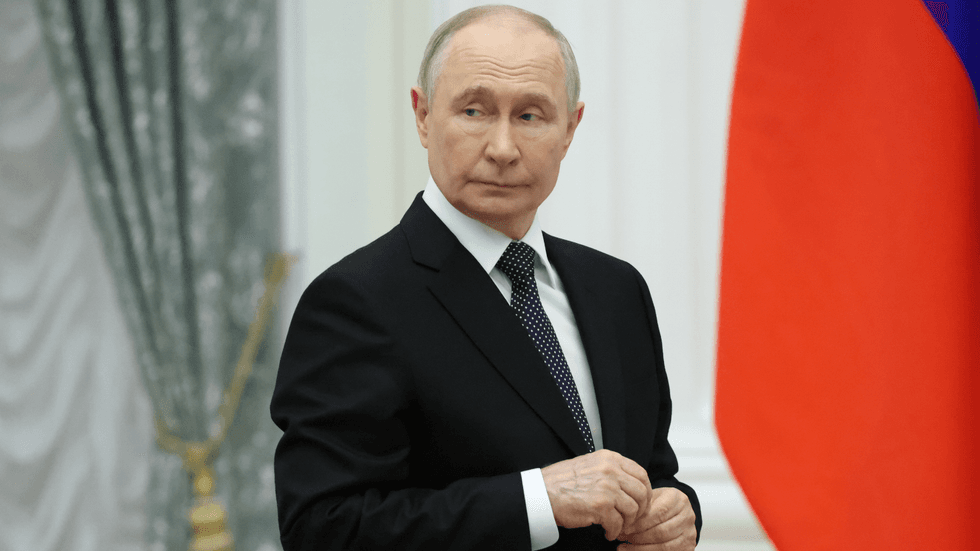
The Kremlin is said to have switched off CCTV protecting Vladmir Putin over fears the cameras could lead to his assassination
|GETTY
Multiple high-ranking Iranian security figures were then eliminated in attacks in the opening minutes of Operation Epic Fury.
But the CCTV scheme has rattled intelligence agencies worldwide.
Russian security leaders have cautioned that monitoring systems constructed to watch populations could now be weaponised against the very governments that created them.
Alexander Bortnikov, who leads Russia's FSB security agency, issued a warning to regional officials last month.
RUSSIA - READ THE LATEST:
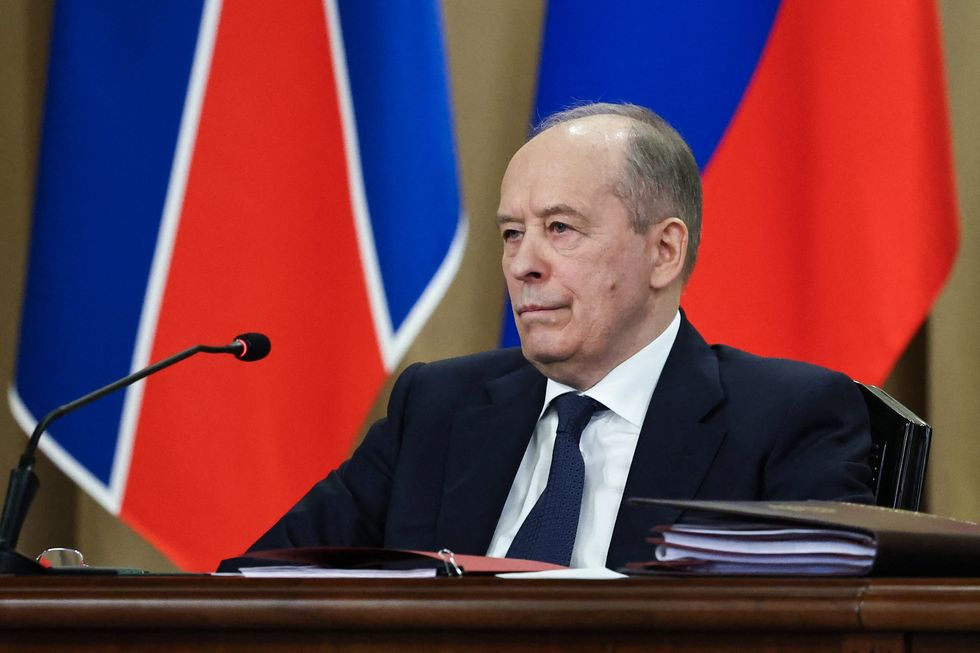
Alexander Bortnikov, who leads Russia's FSB security agency, issued a warning to regional officials last month
|GETTY
He said that the killing of senior Iranian figures ought to serve a "clear warning sign" about the susceptibility of contemporary surveillance infrastructure.
Mr Bortnikov suggested the whereabouts of Iran's top brass had been partially determined through software vulnerabilities inside Tehran's video monitoring apparatus.
Intelligence services and proficient hackers have long had the capability to breach security cameras.
But breakthroughs in AI mean almost anyone holds the power to sift through huge volumes of footage and pinpoint particular individuals, vehicles, and behavioural trends.
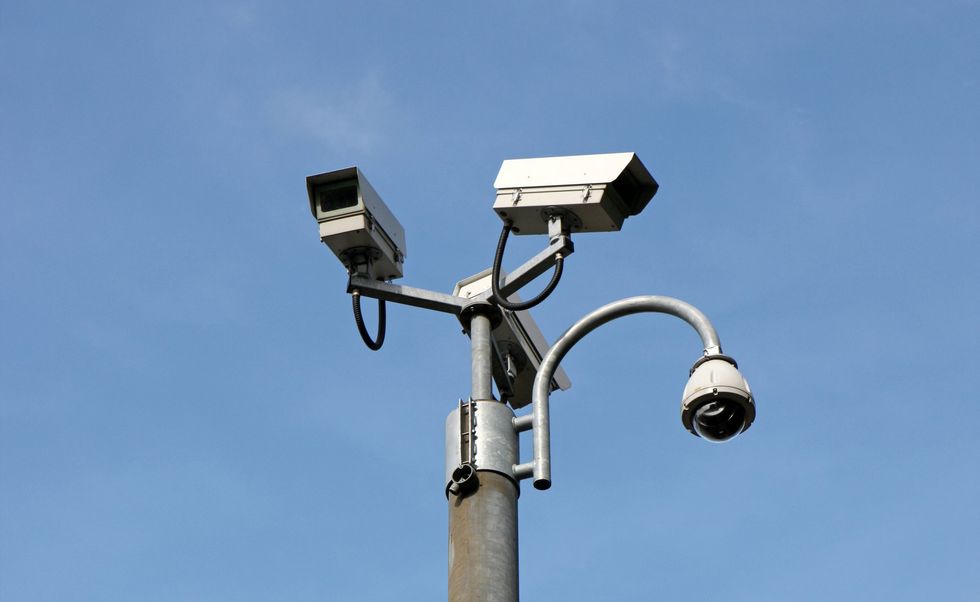
Intelligence services and proficient hackers have long possessed the capability to breach security cameras
|GETTY
Moscow has long feared that Mr Putin could be a target for assassination - particularly from Ukrainian intelligence services.
Kyiv has previously breached traffic camera systems and utilised mobile phone data to target senior Russian military personnel, according to the FT.
An independent Ukrainian hacker said cameras in Moscow, including some positioned near the Kremlin, were still susceptible to penetration.
Though he declined to address whether Kyiv had the ability to analyse footage at scale.
The US, Britain, and China are among nations developing or deploying increasingly advanced AI-powered surveillance instruments capable of examining behaviour, recognising patterns, and searching video through straightforward written commands.
A security official from a Five Eyes intelligence alliance member state told the FT: "They're the ones putting the cameras up - all we have to do is find a way in.
"And there is always a way in."
Our Standards: The GB News Editorial Charter