











Seventy two tigers have died in just 12 days following a devastating virus outbreak at a popular Thai tourist attraction, prompting a probe from authorities.
Officials believe the tragic incident may be the largest mass death of big cats at a private facility in the country's history.
The animals perished at two sites operated by Tiger Kingdom in Chiang Mai, a northern Thai city, with fatalities beginning on February 8.
Laboratory analysis of samples revealed the presence of canine distemper virus, a highly infectious pathogen that primarily affects dogs but proves frequently lethal when transmitted to large felines.
TRENDING
Stories
Videos
Your Say
The disease targets multiple organ systems, including the respiratory tract, gastrointestinal system and nervous system. It poses no known risk to humans.
Thai authorities announced yesterday that the virus had ceased spreading and no additional tigers were dying.
However, officials recommended that the remaining animals suffering from severe illness be put down, though the precise number facing euthanasia remains unclear.
Investigators are examining multiple potential causes, with contaminated raw chicken fed to the tigers emerging as one line of inquiry.
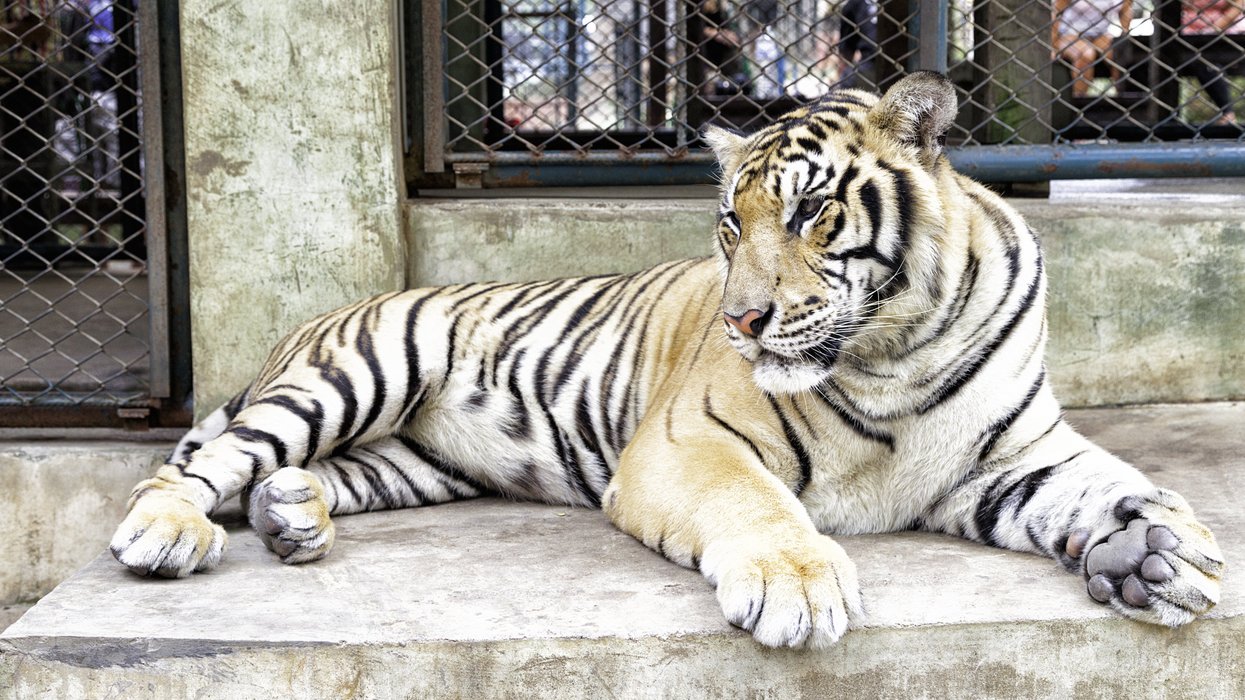
72 tigers have died in just two weeks following a devastating virus outbreak at a popular Thai tourist attraction (stock pic)
|GETTY
The livestock department has collected samples from the animals' remains, their food supply and the surrounding environment.
Somchuan Ratanamungklanon, director of the national livestock department, explained the challenges officials faced in responding to the crisis.
"By the time we realised they were sick, it was already too late," he told local media.
The speed of transmission caught staff off guard, with nearly all of the more than 200 tigers across both locations falling ill after consuming food from the same supplier.
LATEST DEVELOPMENTS

The animals perished at two sites operated by Tiger Kingdom in Chiang Mai, a northern Thai city, with fatalities beginning on February 8 (stock pic)
|GETTY
Only three cubs still being fed milk escaped infection.
The tragedy has drawn fierce criticism from animal welfare organisations, who argue it exposes fundamental flaws in Thailand's captive tiger tourism industry.
Wildlife Friends Foundation Thailand described the incident as evidence of the "extreme vulnerability of captive wildlife facilities to infectious disease," adding that such venues "prioritise entertainment and profit over animal welfare and conservation."
The organisation noted that approximately 1,500 tigers are held across more than 60 locations throughout Thailand, with many kept in poor conditions and bred specifically for tourist interactions.
Jason Baker, Asia president of Peta, issued a stark condemnation: "Tigers spend their lives confined and chained, only to be dragged out to pose for photos… these tigers died the way they lived – in misery, confinement and fear."
Public health minister Pattana Promphat confirmed at a press conference in Bangkok that no human infections had been recorded.
Nevertheless, veterinary staff and other workers who had contact with the tiger enclosures have been placed under a 21-day observation period as a precautionary measure. None have displayed symptoms thus far.
Monthien Khanasawat, director-general of the disease control department, stated that nationwide monitoring protocols would be implemented should any cases emerge in people.
Our Standards: The GB News Editorial Charter
More From GB News