








One of Spain's finest living matadors has been seriously injured after a goring incident that has sent shockwaves through the bullfighting world.
José Antonio Morante de la Puebla, 45, was attacked during what had been a celebrated return to the ring in Seville - where capacity audiences had flocked to witness his performances following an unexpected retirement last year.
Medical professionals described the wound as "very serious," with the bull's horn having punctured his rectum.
Surgeons operated for more than two hours to treat the injury.
El Pais reported that the incident "shattered the corrida and perhaps even the bullfighter's season".
ABC newspaper recounted how "the happiness of the Morante faithful ended" when the animal charged, threw him to the ground, and then "the horn drove in" while he lay in the sand.
Born Jose Antonio Morante Camacho, the matador is regarded by many as the best artistic bullfighter of his era, with some considering him the greatest of all time.
His technique, characterised by exceptional cape work combined with spontaneity and aesthetic precision, has led fans to describe his finest moments as possessing an almost spiritual quality.
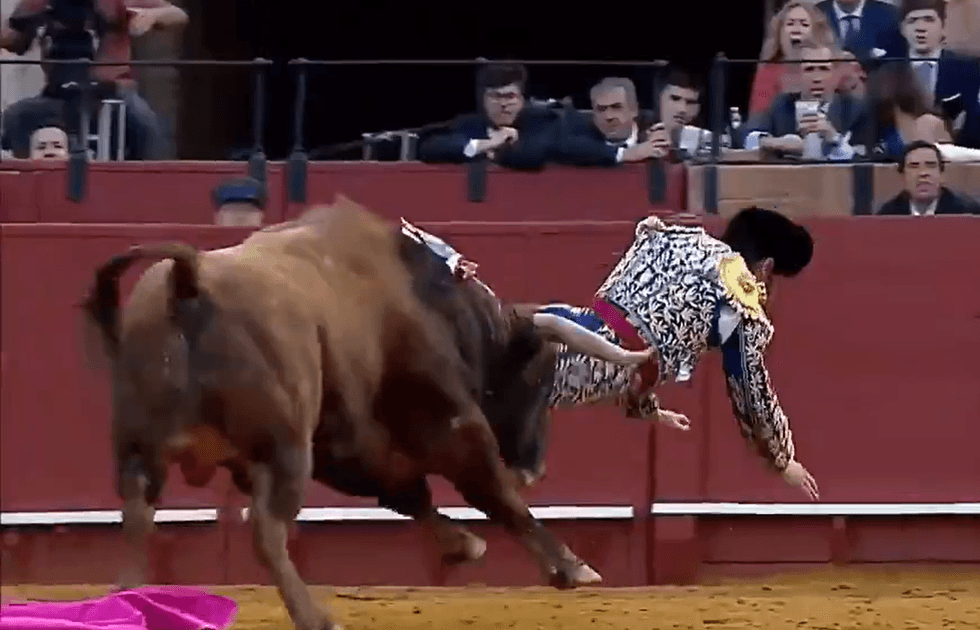
The 45-year-old matador was attacked during what had been a celebrated return to the ring in Seville
|X/ALERTANEWS24
He achieved a rare distinction in 2023 by becoming the first bullfighter in five decades to be awarded a bull's tail in Seville, among the tradition's most prestigious accolades.
El Pais recently described one of his performances as a "virtuosic, stirring, surprising, baroque work an act of improvisation by an artist who is not of this world, capable of hypnotising, with a supernatural ability entirely alien to modern bullfighting".
Another commentator suggested it would not be surprising "if a religion were founded in his honour".
His career has nonetheless been interrupted by periods away from the arena due to mental health difficulties.
SPAIN - READ THE LATEST:
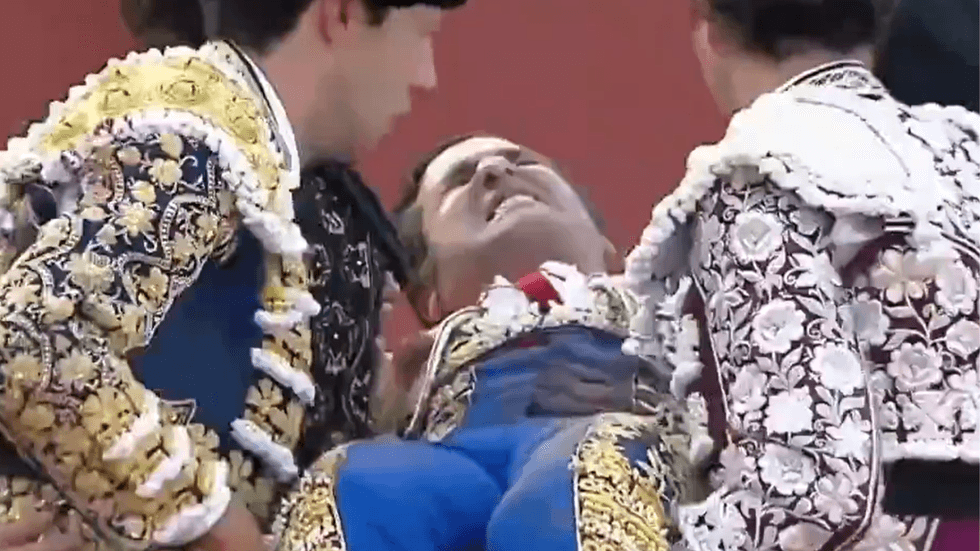
El País reported that the incident 'shattered the corrida and perhaps even the bullfighter's season'
|X/ALERTANEWS24
The matador has been candid about severe depression, which contributed to his abrupt departure from the sport last year following a triumphant appearance in Madrid.
His unexpected comeback this spring had generated enormous excitement at Seville's bullfighting festival, with numerous sold-out events and a notable increase in younger attendees.
The goring occurs against a backdrop of heightened political and cultural tension surrounding bullfighting's place in Spanish society.
Prime Minister Pedro Sanchez's socialist Government has taken measures perceived as antagonistic by the industry, including scrapping the Culture Ministry's national bullfighting award.
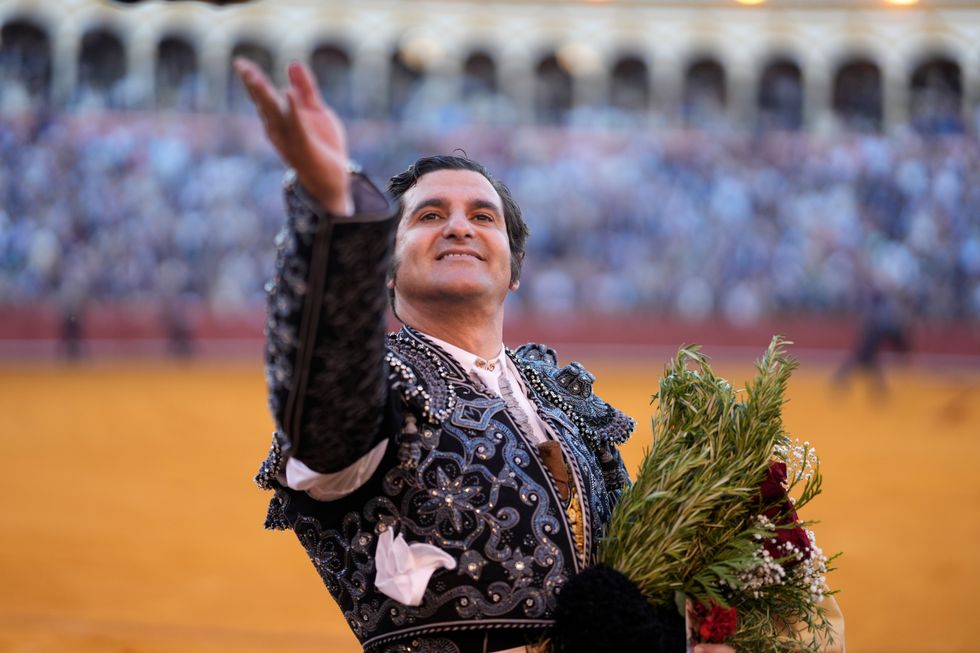
José Antonio Morante de la Puebla is often considered the greatest bullfighter of all time
|GETTY
Mr Sanchez himself has remained non-committal to an outright ban, declaring that bullfighting "is not a resolved issue" in political terms.
Spanish bullfighting is believed to have originated around 711 AD, initially a mounted sport enjoyed by the aristocracy.
After King Philip V banned nobles from participating in the 1700s, the pastime was taken over by peasants, who turned it into a foot-based performance.
After enjoying its peak in the mid-20th century, the sport's popularity has significantly declined in recent years.
According to a 2025 survey, 80 per cent of Spaniards aged under 35 now oppose the cultural tradition.
Our Standards: The GB News Editorial Charter