










A new hybrid animal has emerged in the high-altitude Himalayan region of Ladakh, India, posing a dual threat to local communities and endangered wolf populations.
Khipshang, whose name combines the Ladakhi words for "dog" and "wolf", is the result of feral dogs breeding with Himalayan wolves over the past decade.
Tsewang Namgail, director of the Snow Leopard Conservancy India Trust, said: "It has the fearlessness and habituation of a dog and the killing instinct of the wolf, and that's a deadly combination."
Mohammad Imran, a Ladakhi film-maker and naturalist, added: "They don't fear humans."
Locals have only become aware of these hybrids within the last five to 10 years, according to The New Scientist.
These hybrids occupy a middle ground physically, being larger than domestic dogs yet smaller than their wolf ancestors, and have a distinctive tawny-coloured coat.
Khipshangs have been observed taking charge of feral dog packs, potentially outcompeting other predators in the region's fragile ecosystem.
This boldness extends to entering villages directly and killing livestock without hesitation.
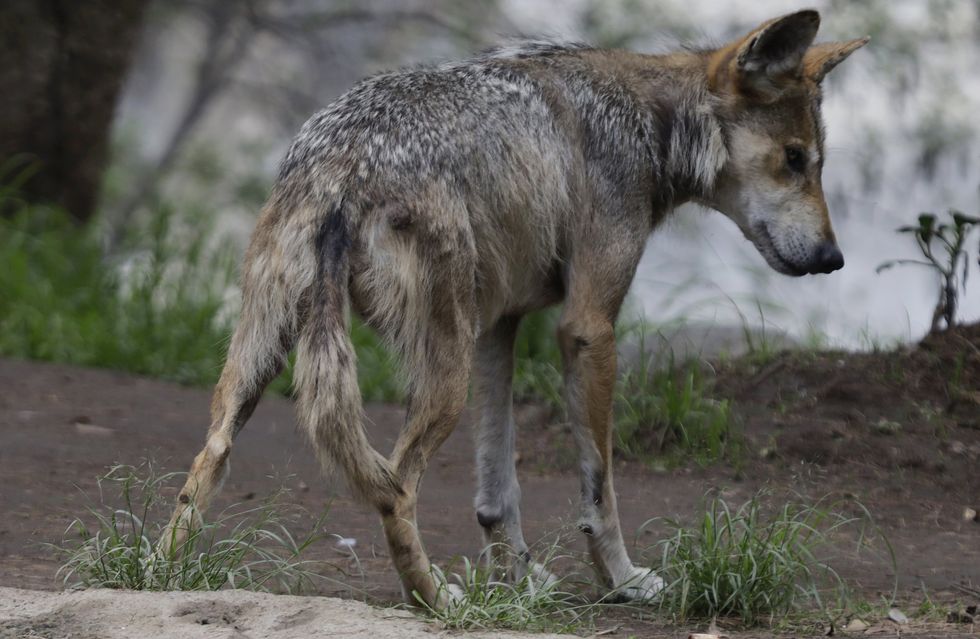
A new hybrid animal has emerged in the high-altitude Himalayan region of Ladakh, India
|GETTY
The combination of domestic dog behaviour patterns with wild wolf predatory skills makes these animals particularly problematic for herders and farmers attempting to protect their animals in the mountainous terrain.
Experts estimate that approximately 80 of these hybrids currently roam across Ladakh's nearly 25,000 square kilometres.
The underlying cause stems from the imbalance between roughly 25,000 feral dogs inhabiting the region and merely a few hundred wolves.
Dog sterilisation remains prohibited in Ladakh, where Buddhist traditions discourage interference with nature, while military bases along disputed borders rely on dogs as early warning systems.
LATEST DEVELOPMENTS
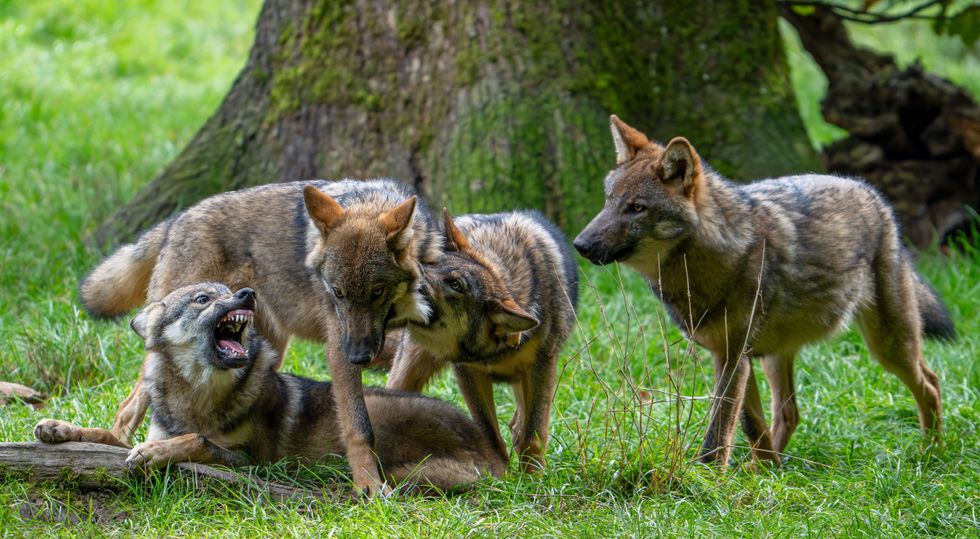
Khipshang, whose name combines the Ladakhi words for dog and wolf, is the result of feral dogs breeding with Himalayan wolves
|GETTY
Meanwhile, canine attacks on humans have become increasingly frequent, with Leh's regional hospital treating four to five dog bite cases daily.
At least four residents have died from dog attacks this year alone, a situation experts warn could deteriorate further as hybridisation continues.
Namgail fears these hybrids will dilute the genetic integrity of Himalayan wolves, considered the oldest lineage of the species and uniquely adapted to extreme altitudes.
The situation mirrors hybridisation problems affecting red and eastern wolves in Italy and North America, where crossbreeding threatens species purity.
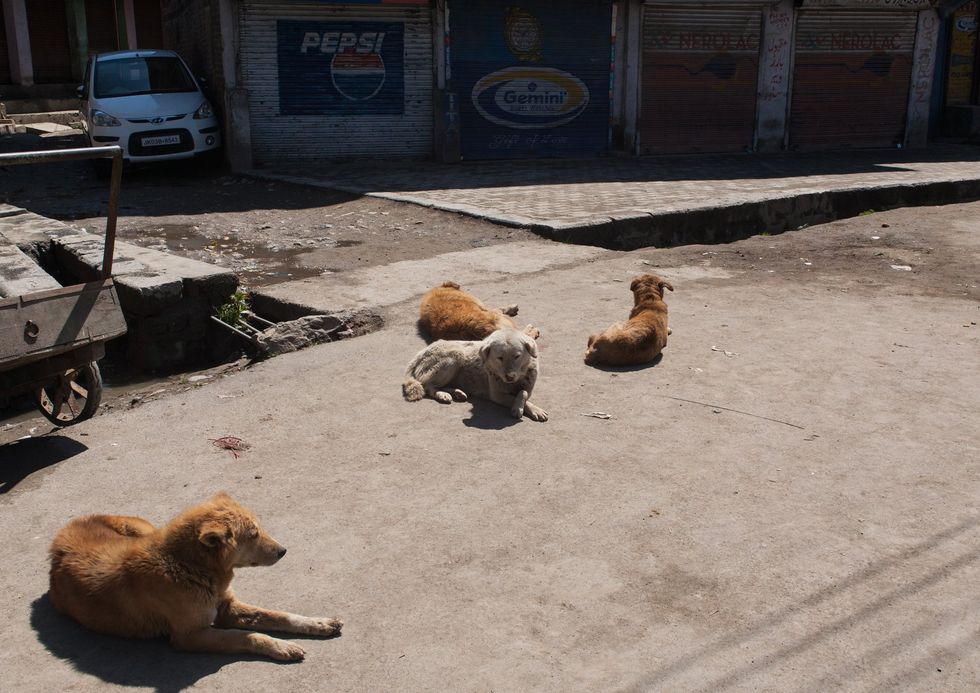
The underlying cause stems from the imbalance between roughly 25,000 feral dogs inhabiting the region and a few hundred wolves
|GETTY
Carter Niemeyer, a trapper involved in reintroducing wolves to Yellowstone and Idaho during the 1990s, argues wolf-dogs should not "be allowed to procreate and run wild".
Wildlife photographer Morup Namgail warns Khipshang represents the rapidly changing mountain environment.
He said: "Since these are new species, they don't have a place in the chain, like other animals, and it's so fragile to disrupt.
"That makes them dangerous. For all of us."
Our Standards: The GB News Editorial Charter