






A major European carrier has been forced to cancel flights amid soaring fuel costs linked to the US-Iran conflict.
Scandinavian Airlines System (SAS) - the flag carrier for Denmark, Norway and Sweden - announced on Tuesday it would cut its flight schedule as jet fuel prices surge.
Hundreds of services have already been pulled from the timetable this week.
Most of the cancelled routes are short-haul flights within Scandinavia, where passengers can more easily find alternative travel options.
TRENDING
Stories
Videos
Your Say
A spokesman for the Stockholm-based carrier said: "Given the ongoing situation in the Middle East, including the sharp and sudden increase in global fuel prices, we are taking measures to strengthen our resilience.
"One such measure is a limited number of short-term flight cancellations."
SAS carries around 25 million passengers a year, making it the biggest airline so far to take such action during the current fuel crisis.
Air New Zealand, which serves roughly 16 million passengers annually, introduced similar cuts last week.
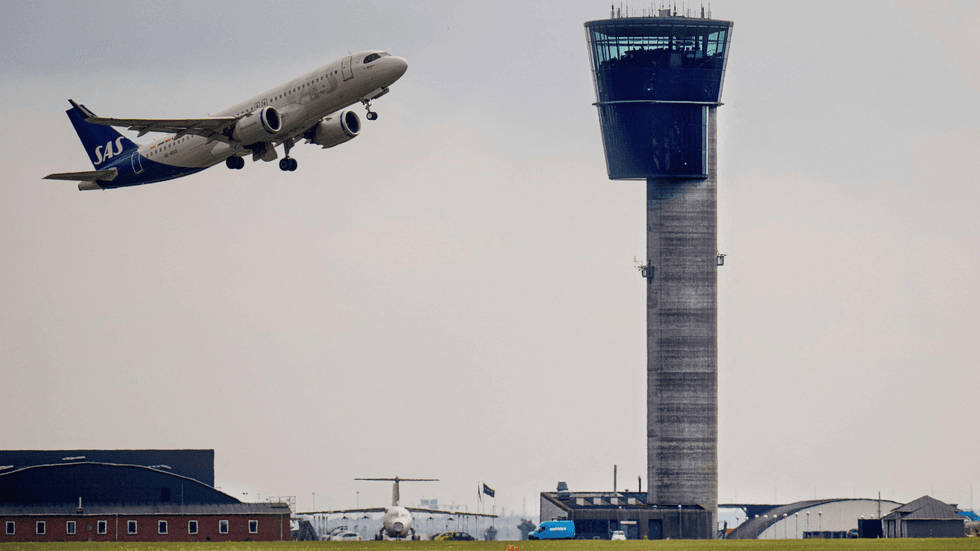
Scandinavian Airlines System announced on Tuesday it would cut its flight schedule as jet fuel prices surge
|GETTY
The move has fuelled concerns that disruption in the Strait of Hormuz could trigger a wider crisis across Europe’s aviation sector.
Around half of Europe’s jet fuel imports typically pass through the strait, with Kuwait and Saudi Arabia among the key suppliers.
Fuel is an airline’s single biggest cost - and crude oil prices have surged to a four-year high since hostilities involving the US and Israel against Iran escalated.
SAS is particularly exposed after abandoning its fuel hedging strategy in recent years.
EUROPE - READ THE LATEST:
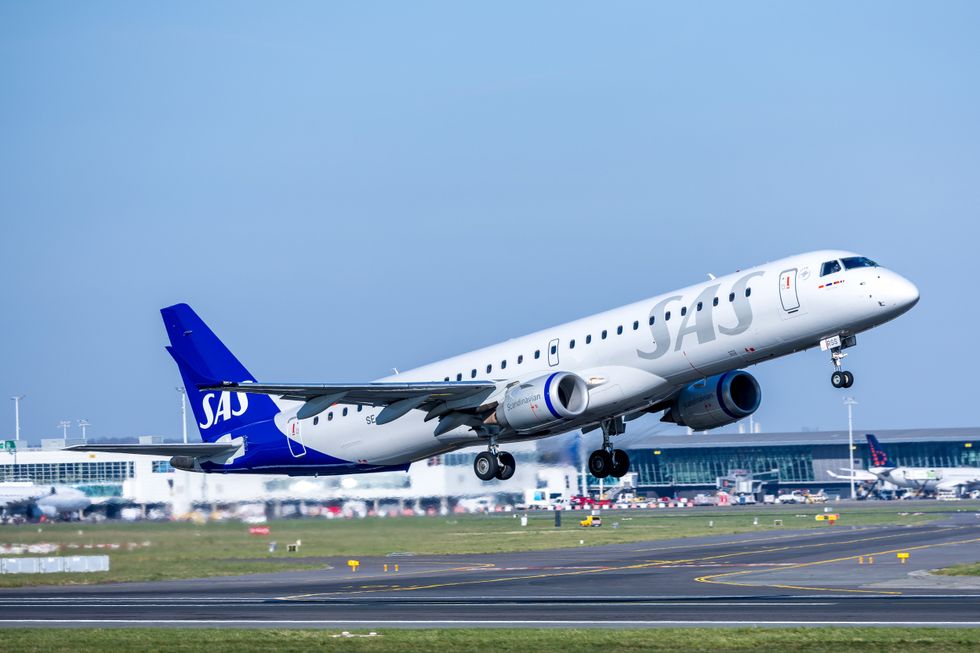
SAS is particularly exposed after abandoning its fuel hedging strategy in recent years
|GETTY
The airline revealed in February last year it had no hedging contracts in place for the following 12 months, after scrapping a policy that required at least 40 per cent of fuel use to be covered.
Its current hedging position remains unclear.
Hedging allows airlines to lock in fuel prices in advance, shielding them from sudden spikes.
Without it, carriers are directly exposed to swings in global oil markets.
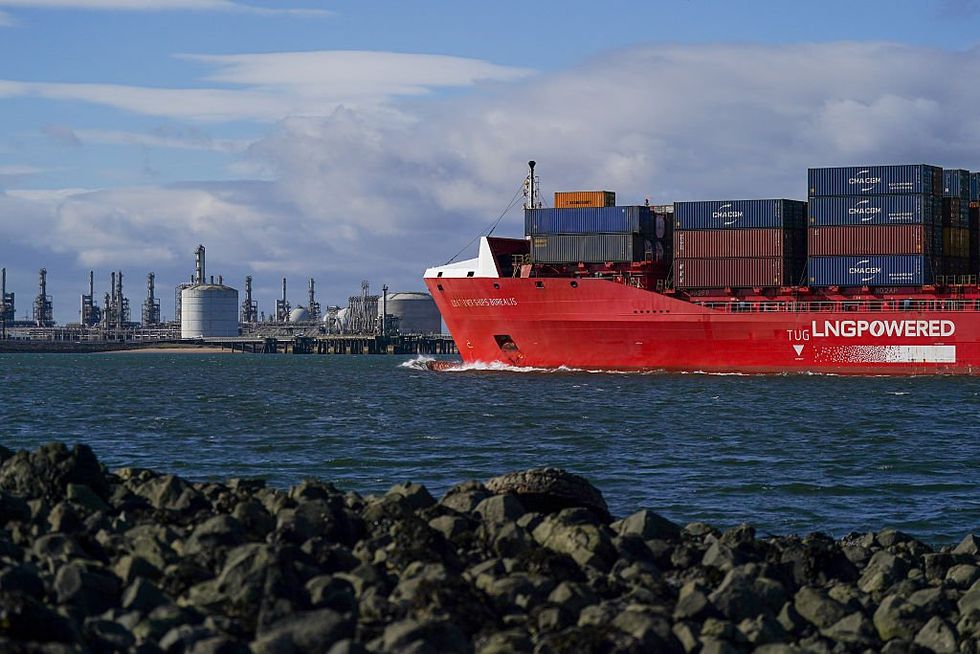
Around half of Europe’s jet fuel imports typically pass through the strait
| GETTY
What is the Strait of Hormuz?
| GB NEWSInternational Airlines Group, which owns British Airways, said last week it had hedged 80 per cent of its fuel needs until the end of March and 70 per cent for the second quarter.
Meanwhile, Ryanair told investors in January it had secured 84 per cent of its fuel at $77 (£57.66) per barrel for the current quarter, and 80 per cent at $67 (£50.17) for the financial year starting in April.
However, analysts warn even well-hedged airlines may be forced to raise ticket prices once those protections expire.
IAG’s coverage drops below 60 per cent for the peak summer travel season - leaving British Airways exposed to sharp cost increases if tensions in the Middle East persist.
SAS has already raised fares in response to rising fuel costs, warning the scale of the increase is too great to absorb.
Our Standards: The GB News Editorial Charter
More From GB News