









A Russian "ghost ship" suspected of carrying nuclear cargo to North Korea was sunk after a series of explosions rocked the vessel, a new investigation has revealed.
The ship - known as Sparta 3, before its name was changed to the Ursa Major - sunk to the Mediterranean seabed in December 2024 after multiple blasts claimed two crew members' lives.
According to CNN, the leading hypothesis now points towards potential Western involvement in the incident.
Spanish authorities have been investigating the circumstances of the sinking, whilst the vessel's true cargo remains a subject of intense speculation nearly 17 months after its demise.
The incident has drawn attention from multiple governments, though official silence from key parties has only added to the mystery.
Spanish investigators examining the wreckage have concluded that a Barracuda supercavitating torpedo likely breached the hull, forcing the vessel beneath the waves.
This particular weapon system is exceptionally rare, with only a handful of nations believed to possess it: the United States, several Nato members, Russia itself, and Iran.
The limited pool of potential operators has fuelled speculation about who might have targeted the ship.
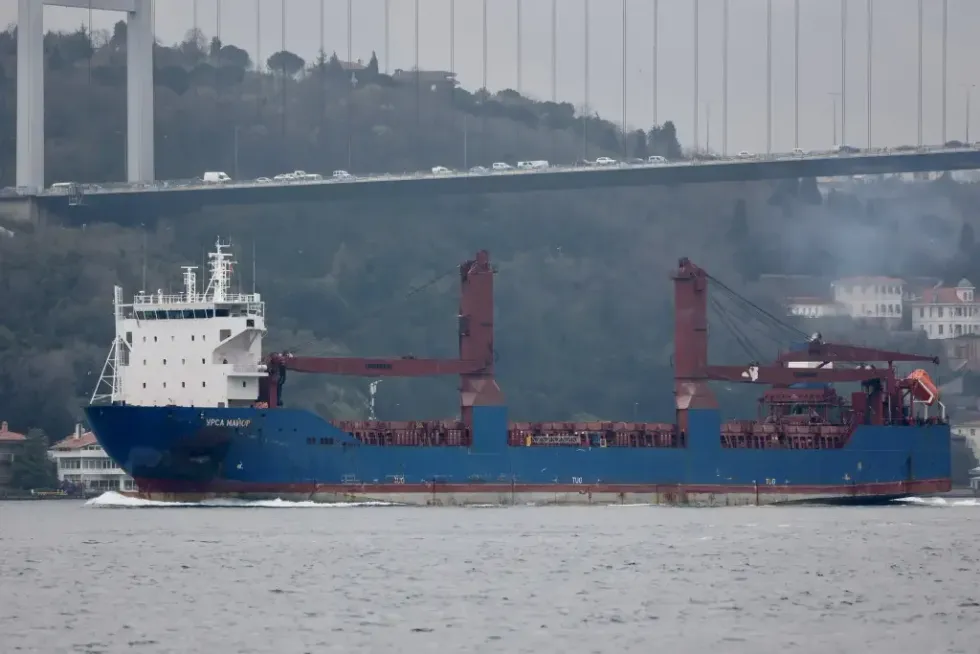
The ship - known as Sparta 3 - descended to the Mediterranean seabed on December, 23, 2024 after multiple blasts
|REUTERS
Four days following the sinking, the vessel's owner Oboronlogistics declared it had been struck in a "targeted terrorist attack," describing damage that left a hole measuring roughly 20 inches by 20 inches in the hull.
The torpedo theory, combined with the restricted number of countries capable of deploying such weaponry, has strengthened suspicions that Western powers may have orchestrated the attack.
The ship's captain, Igor Anisimov, subsequently provided testimony to Spanish investigators that shed light on the vessel's secretive mission.
He is said to have disclosed that Ursa Major was carrying "components for two nuclear reactors similar to those used in submarines," though he remained uncertain whether the reactors contained atomic fuel.
RUSSIA - READ THE LATEST:
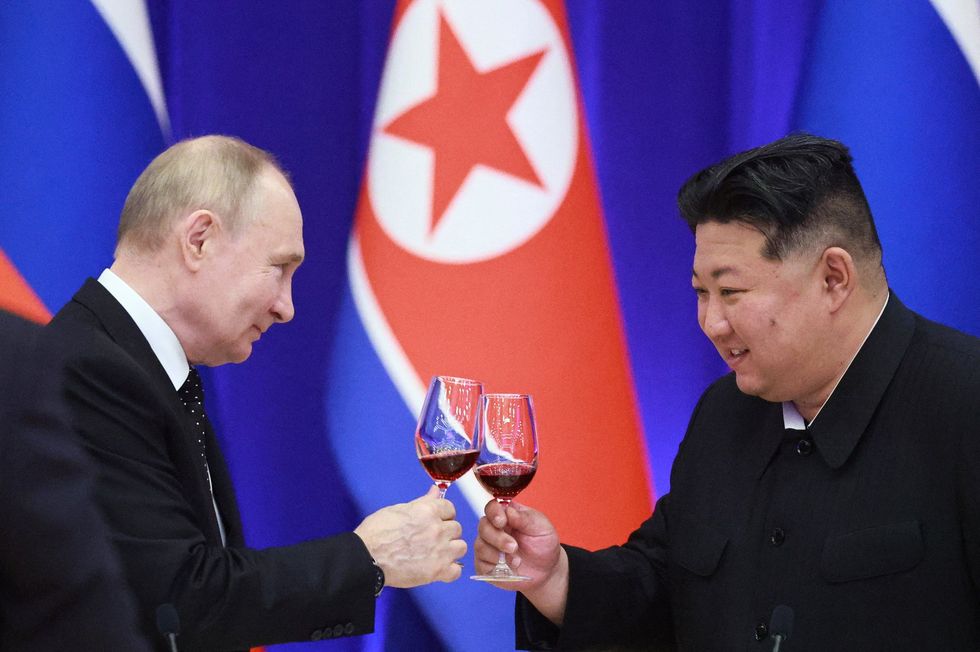
Russia is one of Pyongyang's closest allies
|GETTY
Mr Anisimov said he believed the cargo was ultimately headed for the North Korean port of Rason.
The vessel left Russian waters on December 11, holding a licence to transport nuclear materials, yet its official manifest listed only empty containers, a pair of large cranes, and two sizeable "manhole covers".
This voyage occurred merely two months after Kim Jong-un pledged thousands of troops to assist Moscow in recapturing the Kursk region following Ukraine's counter-offensive.
European surveillance of the vessel had been ongoing, with Portuguese naval aircraft tracking Ursa Major and its military escorts through the Mediterranean before abandoning their observation on the morning of 22 December 22.
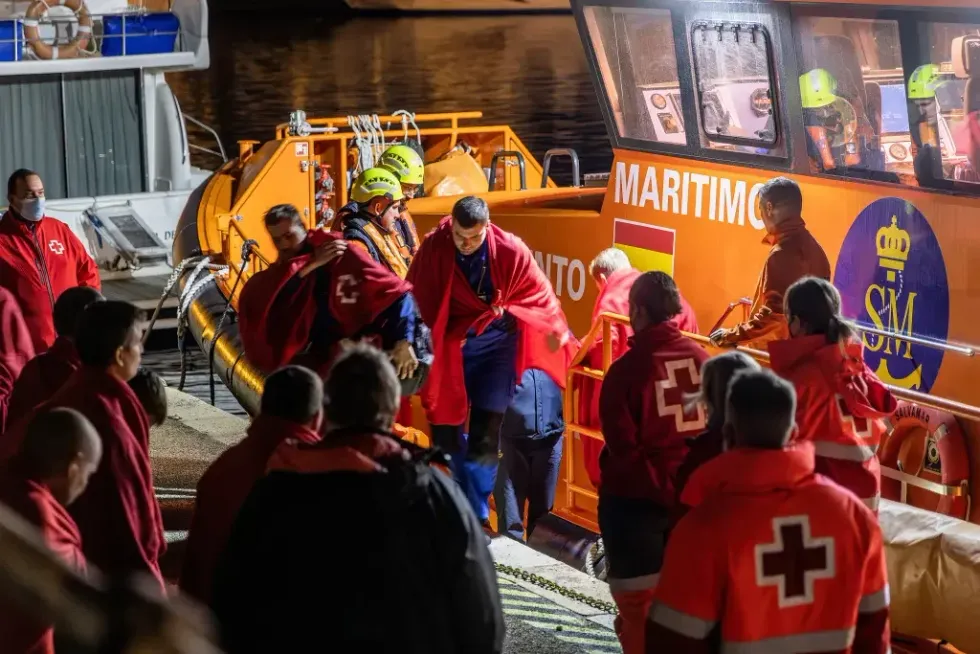
Spanish maritime authorities scrambled a rescue team shortly after the vessel sank to the seabed
|REUTERS
Spanish rescuers radioed the ship after noticing unusual movements near the coastline, but received assurances that nothing was amiss.
Roughly 24 hours later, three blasts erupted near the engine room, prompting an urgent distress call.
The Russian warship Ivan Gren arrived swiftly, ordering other vessels to maintain a two-nautical-mile distance and demanding immediate return of rescued crew members.
Spanish rescue teams found the engine room sealed and inaccessible.
The US military has since flown WC135-R radiation detection aircraft - known as "nuke sniffers" - over the site twice, in August 2025 and February 2026, but did not disclose what it had found.
Our Standards: The GB News Editorial Charter