





Israel launched a strike on Lebanon's capital Beirut overnight, marking the first attack since a ceasefire deal was struck with terrorist group Hezbollah amid the ongoing conflict in the Middle East.
The air strike hit the city's southern suburbs, known as Dahieh – a region known to house a Hezbollah stronghold
Images posted online depict large flames in the aftermath of the attack and buildings heavily damaged by the impact.
Israeli Prime Minister Benjamin Netanyahu personally approved the strike, intended to target a commander of the group's elite Radwan Force.
It marks the first attack to hit the region since Donald Trump struck a ceasefire deal between the governments of Israel and Lebanon on April 16.
However, both Israel and Hezbollah have persisted with military operations since the deal came into effect, with each side accusing the other of breaching the agreement.
Hezbollah, which was not involved in the negotiations for the ceasefire, had initially indicated it would observe the deal if it was respected by Israel.
Further aggression has ensued in the Strait of Hormuz, as the United States attempts to free up access to the vital shipping lane.
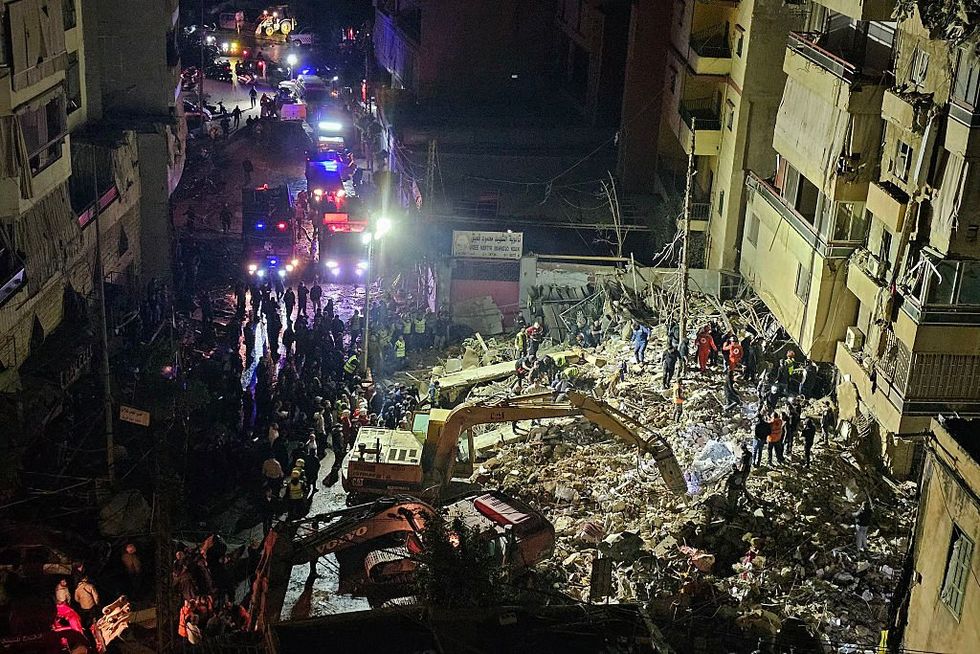
The air strike hit the city's southern suburbs, known as Dahieh
|GETTY
The Israeli military has targeted infrastructure and specific people of interest linked to Hezbollah, with local media reporting members of the unit were meeting when the overnight attack happened at around 8pm local time (6pm BST).
Dahieh, previously a bustling and densely populated neighbourhood, has remained largely deserted since the ceasefire took effect, with residents expressing fear of returning due to the ongoing threat of Israeli military action.
Lebanon's health ministry reports more than 120 people have been killed across the country in the past week alone, including women and children, and both fighters and civilians.
LATEST DEVELOPMENTS

Israeli Prime Minister Benjamin Netanyahu personally approved the attack
| REUTERSIsraeli forces continue to occupy a strip of Lebanese territory along the border, described as establishing a security zone free of Hezbollah presence to safeguard communities in northern Israel.
Rights groups have noted entire villages within these occupied areas have been destroyed, claiming some cases potentially constitute war crimes.
Hezbollah has responded with offensive operations of its own, launching rockets and drones against IDF troops, both within Lebanon and across the southern border with Israel.
A drone attack last week killed an Israeli defence ministry contractor who had been operating an excavator in southern Lebanon.
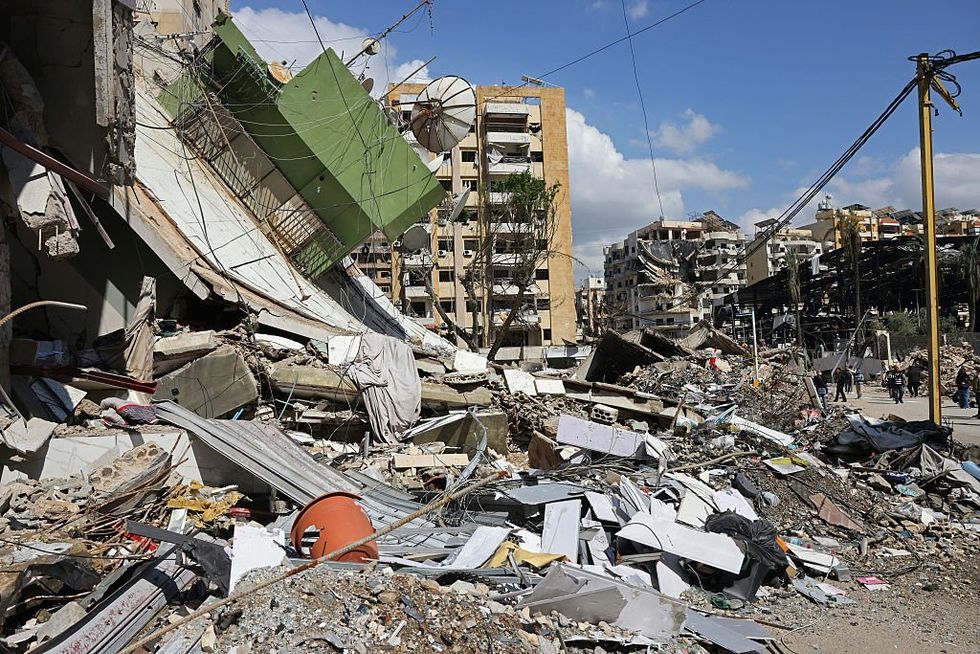
Images show the aftermath of the strike in Beirut this morning
|GETTY
Mr Netanyahu declared the targeted commander bore responsibility for attacks on Israeli communities and soldiers.
He stated: "No terrorist is immune – Israel's long arm will reach every enemy and murderer."
Diplomatic efforts between Israel and Lebanon, with support from the US, have continued, although Lebanese President Joseph Aoun has declined to meet Mr Netanyahu.
Since March 2, more than 2,700 people have died in Lebanon, according to health ministry figures, with 16 soldiers and one civilian killed in southern Lebanon.
Our Standards: The GB News Editorial Charter