











Germany has introduced new regulations requiring men between the ages of 17 and 45 to secure official permission before spending more than three months outside the country.
The measure forms part of the Military Service Modernisation Act, which took effect on January 1 this year.
Berlin's defence ministry confirmed the requirement, noting that approval must be sought in advance of any extended foreign stay.
The legislation represents Germany's response to heightened security concerns stemming from Russia's full-scale invasion of Ukraine.
TRENDING
Stories
Videos
Your Say
Until the Frankfurter Rundschau newspaper highlighted the provision on Friday, the travel approval requirement had attracted little public attention.
According to the defence ministry, the regulation aims "to ensure a reliable and meaningful military registration system", with officials stating to the BBC: "In the event of an emergency, we must know who may be staying abroad for an extended period."
The ministry has acknowledged that the impact on young Germans could prove "far-reaching" and indicated that exemption rules are currently being drafted to prevent excessive red tape.
Enforcement mechanisms remain unclear, though under existing provisions, travel permissions must typically be granted when requested.
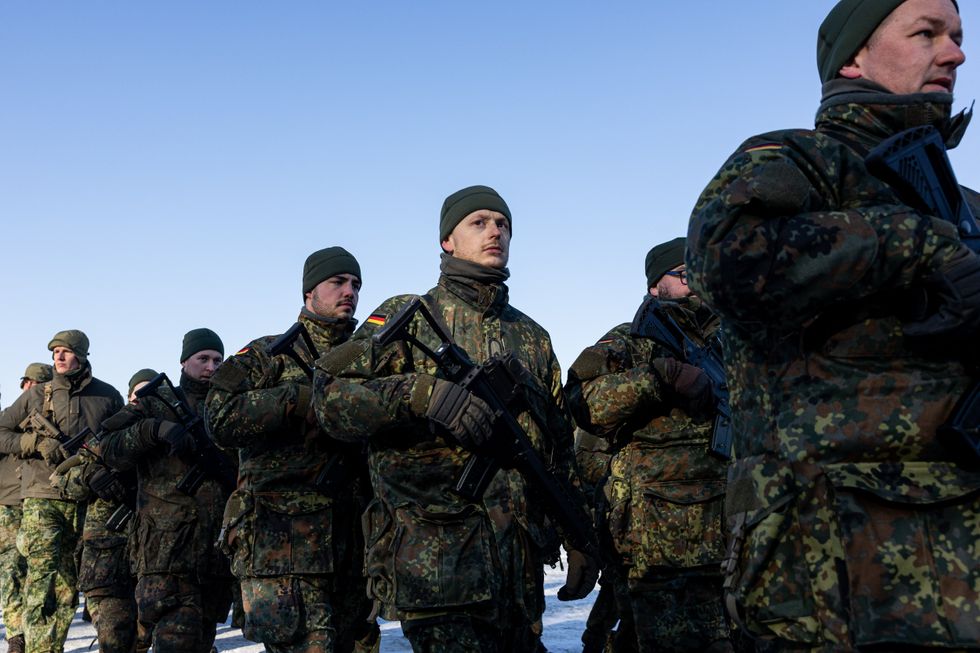
German men are now required to seek military approval if they wish to leave the country for more then three months
|GETTY
The legal foundation for this requirement dates back to Germany's 1956 Conscription Act, which underwent its most recent revision in December.
Previously, this obligation to report lengthy periods abroad only applied when Germany had declared a state of national defence or mobilisation, with defence officials noting a comparable measure existed during the Cold War but held no practical significance.
The Military Service Modernisation Act outlines ambitious targets to grow active military personnel from approximately 180,000 to 260,000 within the next decade.
Since January, every 18-year-old in Germany has received a questionnaire gauging their interest in joining the armed forces following parliament's December vote to establish voluntary military service.
LATEST DEVELOPMENTS:

Chancellor Friedrich Merz has citied the need for these changes due to an increasingly perilous security landscape on the continent
|GETTY
Beginning in July 2027, young Germans will additionally face mandatory fitness evaluations to assess their suitability for service should conflict arise.
Germany's constitution prohibits compelling women to serve, though they may volunteer, and compulsory service for men could return should security conditions deteriorate, or volunteer numbers prove insufficient.
Chancellor Friedrich Merz has committed to transforming the Bundeswehr into the most powerful conventional military force in Europe.
He cited what his government characterises as an increasingly perilous security landscape on the continent.
The legislative changes sparked demonstrations among young Germans when parliament approved them.
"We don't want to spend half a year of our lives locked up in barracks, being trained in drill and obedience and learning to kill," one protest organiser wrote online.
Mandatory military service was abolished in 2011 under Angela Merkel's chancellorship.