

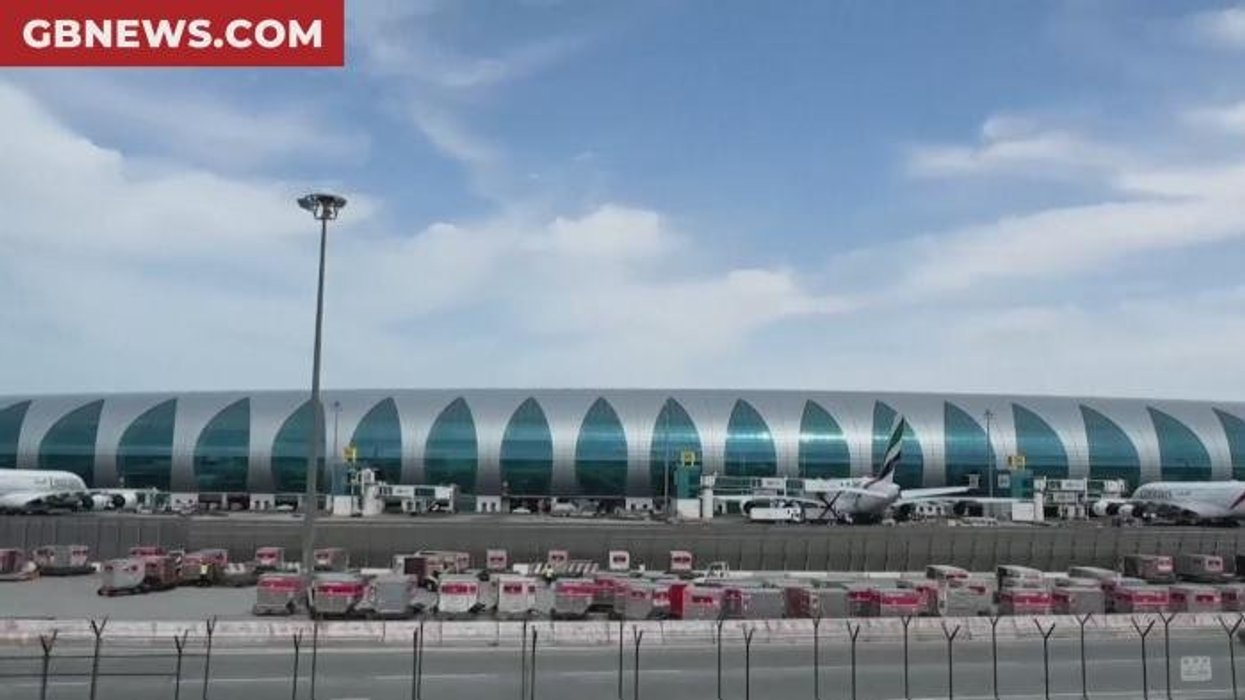







A 60-year-old British holidaymaker has been detained in Dubai after allegedly capturing footage of Iranian missiles flying over the city.
The tourist was taken into custody on Monday and is currently being held at Bur Dubai police station, according to legal advocacy organisation Detained in Dubai.
He is among 21 individuals of various nationalities now facing prosecution under the UAE's stringent cybercrime legislation.
The charges relate to videos and social media posts connected to recent Iranian missile strikes targeting the United Arab Emirates.
TRENDING
Stories
Videos
Your Say
Police reportedly discovered footage of a missile strike on the man's mobile phone, leading to his arrest during what was meant to be a holiday in the Gulf city.
The man maintains he removed the video from his device straight away when authorities requested it and insists he had no intention of breaking any laws.
Despite his compliance, he remains among those facing criminal prosecution and his family is said to be "extremely worried" about his situation.
If convicted, the British national could be sentenced to up to two years in prison.

A British tourist has been charged by Dubai authorities after 'filming Iranian missiles'
|GB NEWS
He could also be slapped with financial penalties, with fines potentially reaching 200,000 UAE dirhams, equivalent to approximately £40,680.
Those found guilty additionally face deportation from the country.
The situation could worsen if prosecutors apply multiple counts, as individuals who share several clips or articles may face cumulative charges and consecutive sentences under the UAE's strict legal framework.
Radha Stirling, chief executive of Detained in Dubai, described the allegations as "extremely vague but serious on paper".
LATEST DEVELOPMENTS
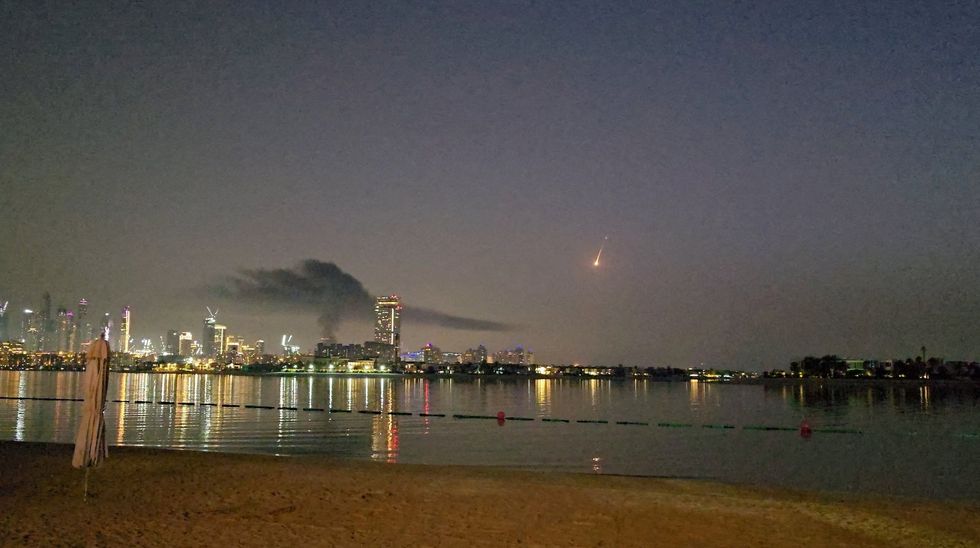
Police reportedly discovered footage of a missile strike on the man's mobile phone, leading to his arrest during what was meant to be a holiday
|REUTERS
She explained that the official accusation concerns "broadcasting, publishing, republishing or circulating rumours or provocative propaganda that could disturb public security".
Ms Stirling warned that UAE cybercrime legislation allows authorities to prosecute not only those who originally post content, but also anyone who reshares or comments on it.
"One video can quickly lead to dozens of people facing criminal charges," she said.
The legal advocate cautioned that many people wrongly assume widely circulated material is safe to engage with online.
"In the UAE, that assumption can be extremely dangerous," Ms Stirling added, noting that behaviour considered normal elsewhere can result in arrest in the Emirates.
Foreign Office officials are understood to be providing support to the man's family as they await developments in the case.
UAE authorities have grown increasingly sensitive since the conflict escalated, with some individuals reportedly questioned simply for temporarily recording missile interceptions.
Earlier this month, officials in the Emirates issued warnings that tourists and residents could face imprisonment for posting material about the ongoing hostilities.
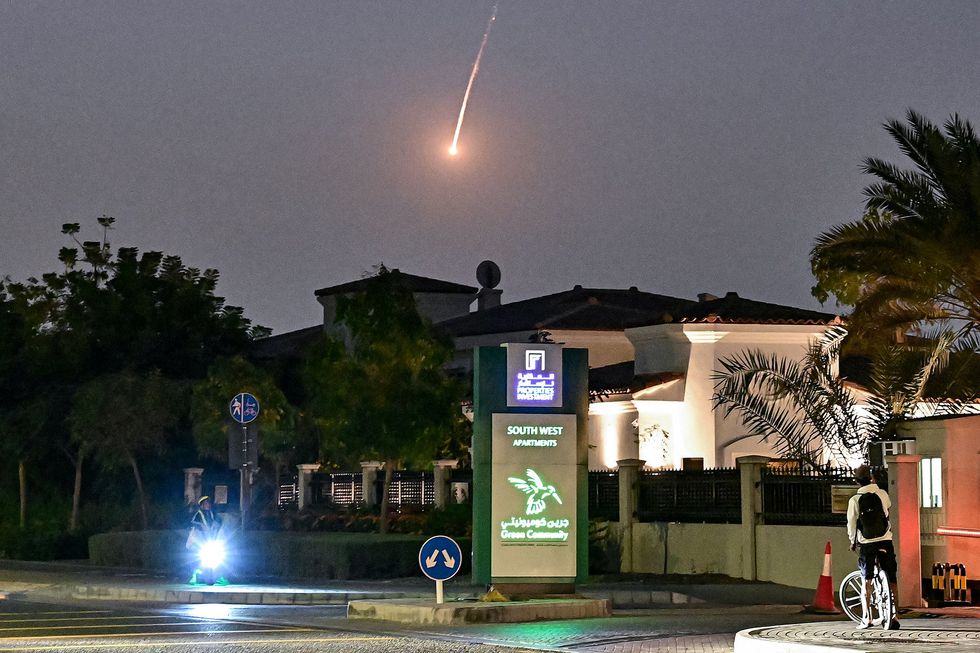
The city, home to 240,000 Britons, has faced 1,700 drone and missile attacks from Iran in recent weeks
| GETTYThe UAE Public Prosecution stated on social media that sharing content from unknown sources carries legal consequences, declaring that "spreading rumours is a crime."
The crackdown extends beyond the Emirates, with more than 200 people in Qatar already prosecuted under comparable legislation since fighting began.
Since the launch of joint US-Israeli airstrikes on Iran, the UAE has faced retaliatory attacks from over 1,700 drones and missiles.
In a statement claimed to be from the nation's Supreme Leader, the Islamic Republic pledged to continue strikes on Gulf states, but insisted it believed in “friendship with neighbours”.
Our Standards: The GB News Editorial Charter
More From GB News