








Algeria's parliament on Wednesday unanimously approved legislation branding France's colonial rule a "state crime," while calling for both an official apology and financial reparations from Paris.
Legislators donned scarves bearing the national colours and broke into chants of "Long live Algeria" as they celebrated the bill's passage.
The vote arrives as relations between the two nations have plunged to what observers describe as their lowest point since Algerian independence 63 years ago.
Parliament speaker Brahim Boughali declared beforehand that the measure would deliver "a clear message, both internally and externally, that Algeria's national memory is neither erasable nor negotiable".
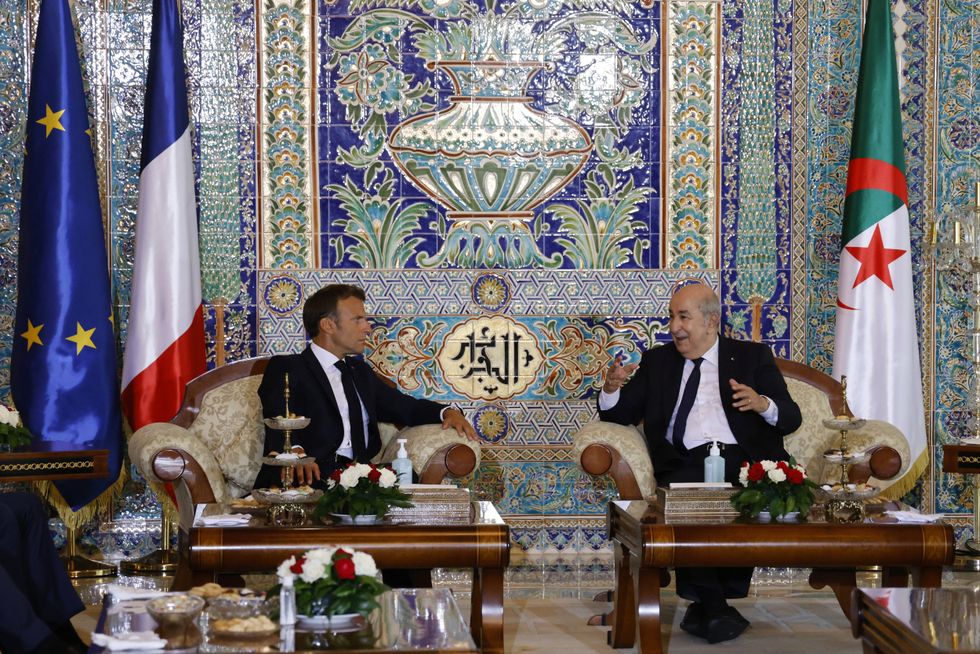
The vote arrives as relations between the two nations have plunged to arguably their lowest point since Algerian independence
|GETTY
The legislation enumerates what it terms the "crimes of French colonisation," spanning nuclear weapons testing, killings without trial, "physical and psychological torture" and the "systematic plundering of resources".
State television reported that the law also makes it an offence to glorify colonial rule.
According to the bill's text, France bears "legal responsibility for its colonial past in Algeria and the tragedies it caused".
The measure further asserts that "full and fair compensation for all material and moral damages caused by French colonisation is an inalienable right of the Algerian state and people".
France governed Algeria for more than 130 years, from 1830 until 1962, culminating in a brutal independence conflict lasting from 1954 to 1962.
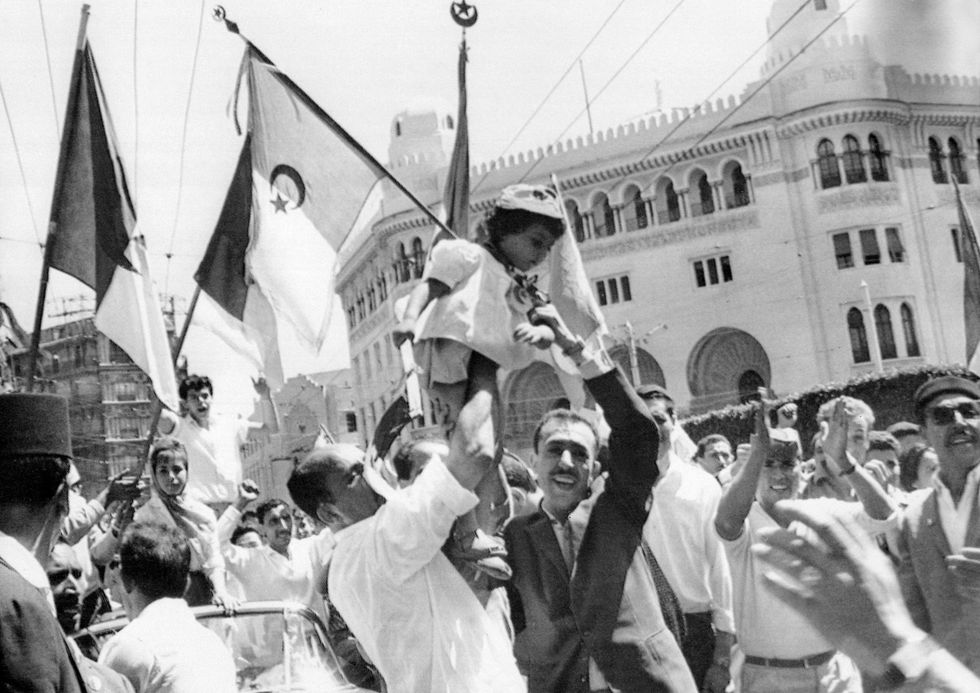
France governed Algeria for more than 130 years, culminating in a brutal independence conflict from 1954 to 1962
|GETTY
The two countries remain divided over the war's human cost, with Algerian authorities citing 1.5 million dead whilst French historians estimate approximately 500,000 total casualties, including around 400,000 Algerians.
President Emmanuel Macron has previously described the colonisation as a "crime against humanity" but has declined to issue a formal apology.
French Foreign Ministry spokesman Pascal Confavreux, asked about the parliamentary vote last week, said he would not comment on "political debates taking place in foreign countries".
Hosni Kitouni, a colonial history researcher at the University of Exeter, noted: "Legally, this law has no international scope and therefore is not binding for France."
FRANCE - READ THE LATEST:
However, he added: "Its political and symbolic significance is important. It marks a rupture in the relationship with France in terms of memory."
Bilateral ties deteriorated sharply after Mr Macron announced French recognition of Moroccan sovereignty over Western Sahara, a territory where Algeria supports the pro-independence Polisario Front.
The parliamentary action coincides with mounting pressure across Africa for Western nations to address colonial-era injustices, with Algeria hosting a continental conference on reparations last month.
The conference brought together ministers, jurists, historians and academics from across the continent, culminating in the Algiers Declaration.
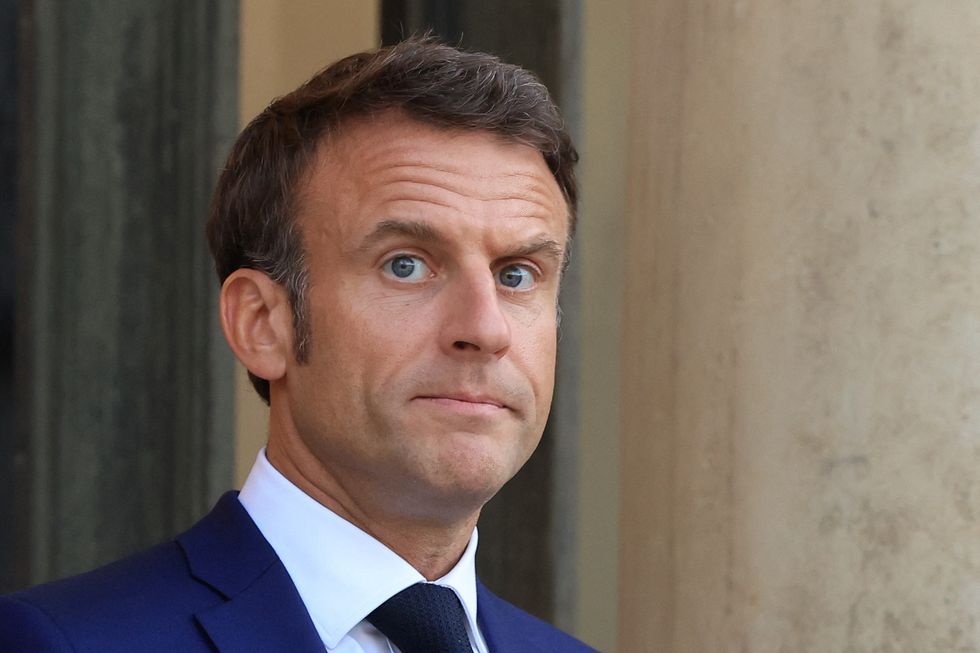
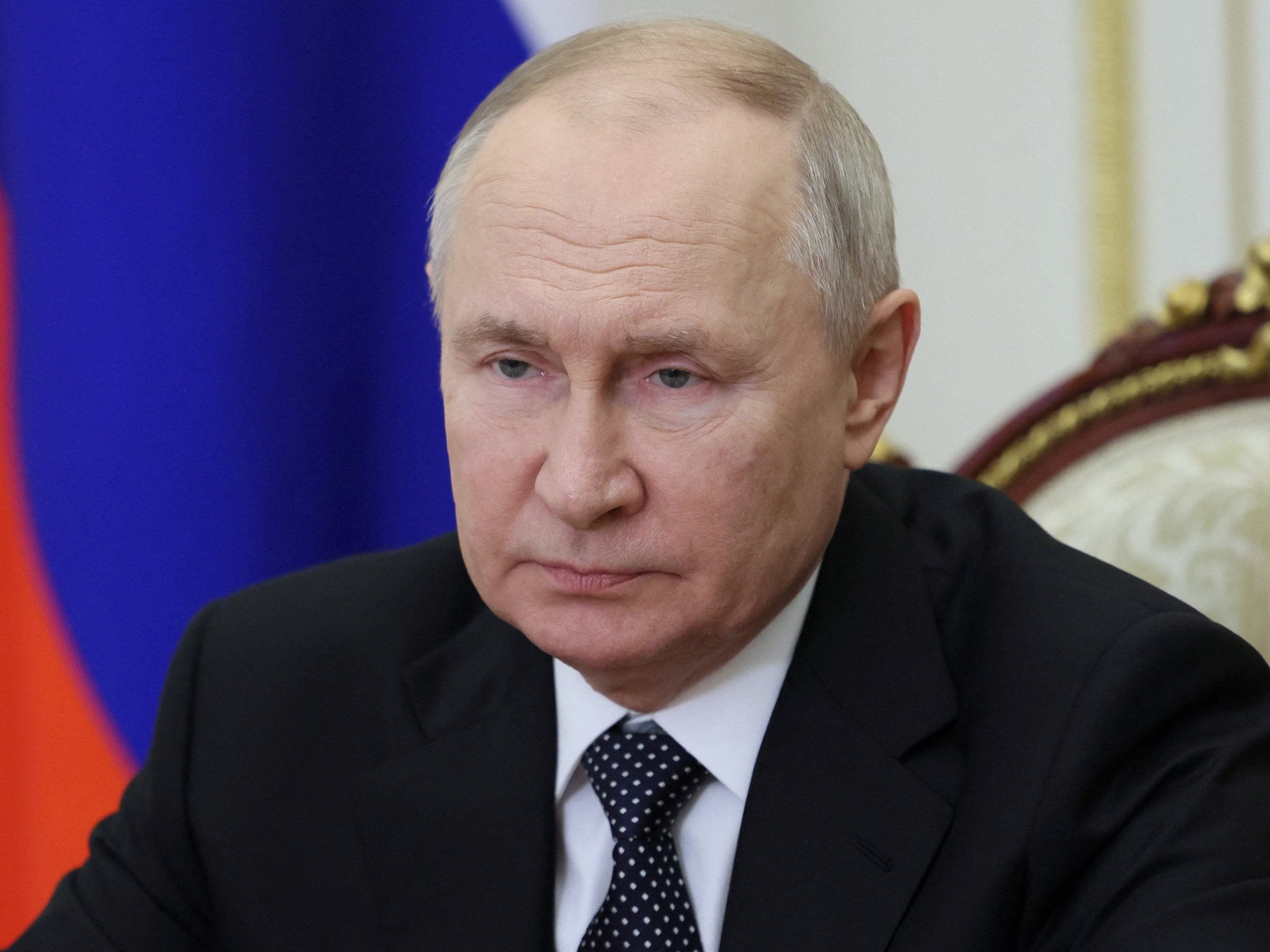
Mr Macron announced French recognition of Moroccan sovereignty over Western Sahara
| REUTERSThe document calls on former colonial powers to admit past wrongs and pay reparations to affected countries.
French Foreign Minister Jean‑Noel Barrot has slammed Algeria’s new law criminalising French colonisation, calling it “a manifestly hostile initiative".
The French Foreign Ministry said the move goes against efforts to resume Franco‑Algerian dialogue and to “work calmly on issues of historical memory".
Although the new law does not specify an amount for Paris to pay in reparations, it calls for “full and fair compensation” for material and moral damages.
Our Standards: The GB News Editorial Charter
More From GB News