










Britain is reviving its Cold War-era Government War Book to prepare the nation for potential war.
Air Chief Marshal Sir Richard Knighton, the head of the Armed Forces, confirmed the plans would be brought back to life last night.
The updated document will ready the military, police, hospitals and industry for a transition to war.
Sir Richard said the new version would require people to think differently about resilience, drawing on lessons from the Cold War but "in a modern context, with a modern society, with modern infrastructure".
The Cabinet Office is leading the cross-Government effort to produce the modernised war book.
Asked whether Britain was reviving the old plans, Air Chief Marshal Knighton told Sky News: "I think that's right."
The original war book system dates back to the First World War.
The collection of top secret documents was regularly rehearsed and updated, making Britain one of the world's best prepared nations for conflict.
A 1976 copy consisted of hand-typed pages bound together by string.
It contained detailed lists and plans for mobilising not just military forces, but also civilians and industry during a crisis.
The documents covered shutting schools, clearing hospitals, rationing food and even storing national treasures.
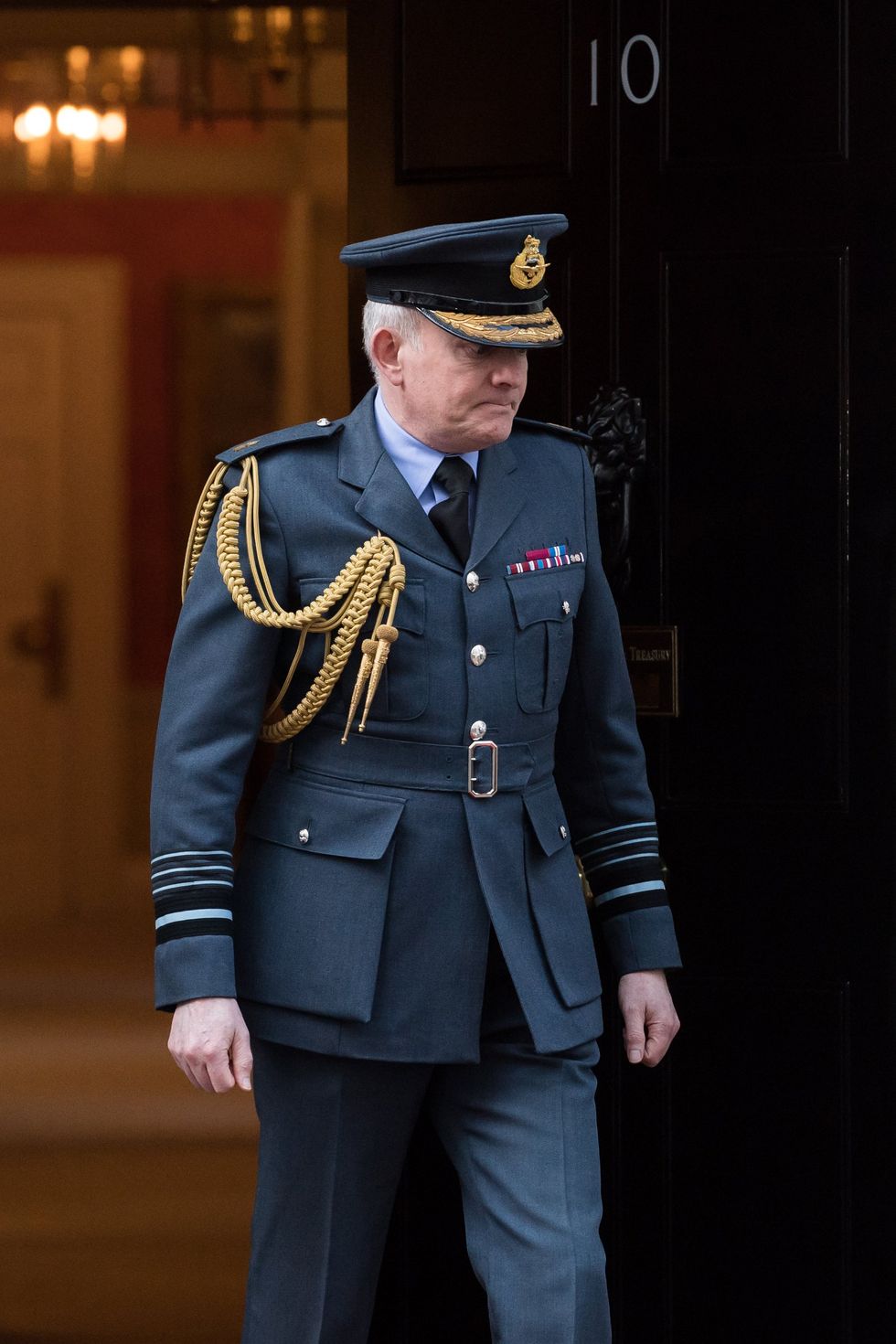
Air Chief Marshal Sir Richard Knighton has confirmed the plans would be brought back to life
|GETTY
But the system was expensive to maintain.
After the Cold War ended, the entire war book framework was quietly abandoned by the early 2000s.
Since then, successive Conservative and Labour governments have left the Armed Forces underfunded.
Now, the Government has pledged to increase defence spending from just over two per cent of GDP to 3.5 per cent by 2035.
However, a crucial 10-year Defence Investment Plan remains unpublished - while critics like former Defence Secretary Sir Ben Wallace have long warned of "Treasury tricks" being used to artificially inflate the defence budget.
READ MORE ON THE BRITISH ARMED FORCES:
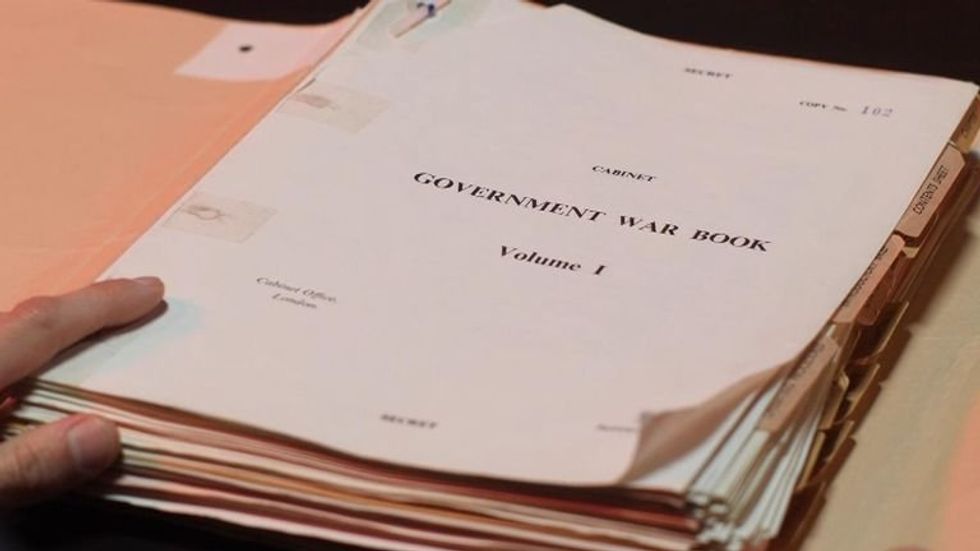
After the Cold War ended, the entire war book framework was quietly abandoned
|NATIONAL ARCHIVES
The investment plan, which outlines what weapons and capabilities the Ministry of Defence will procure, was due last autumn.
Defence Secretary John Healey would not confirm whether it would be released by this summer.
The delay has left much of Britain's defence industry waiting for promised funding to materialise.
Sir Richard indicated the hold-up stems from the MoD seeking faster Treasury funding.
"What I want is a defence investment plan that is properly funded and delivers what we want," he said.
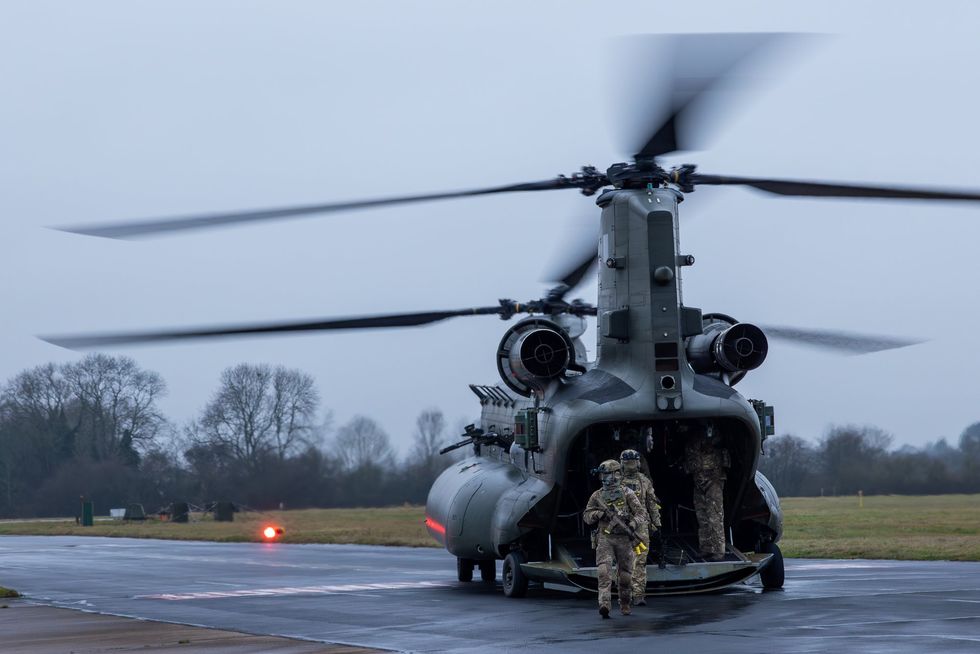
Successive Conservative and Labour governments have left the Armed Forces underfunded
|MINISTRY OF DEFENCE
"If that takes a bit longer, I'd rather have something that works and we can deliver."
Protecting critical national infrastructure such as power stations and water supplies from adversaries is central to the new approach.
"I talked before Christmas of the need that when we think about renewing our water infrastructure or electricity or transport infrastructure, to think about the threat of action from an adversary that is above the threshold of war, not just a hybrid threat," he said.
"And think about how we build in that resilience as we renew it and that requires making some different choices and different priorities and that work that the Cabinet Office is doing across the whole of Government is something that I really welcome."
The defence chief also warned that the relative peace Britain has enjoyed for three decades faces growing threats.
"That requires us to educate ourselves and help the population understand some of those threats and help them understand what they can do to support the nation and potentially support the Armed Forces," he said.