






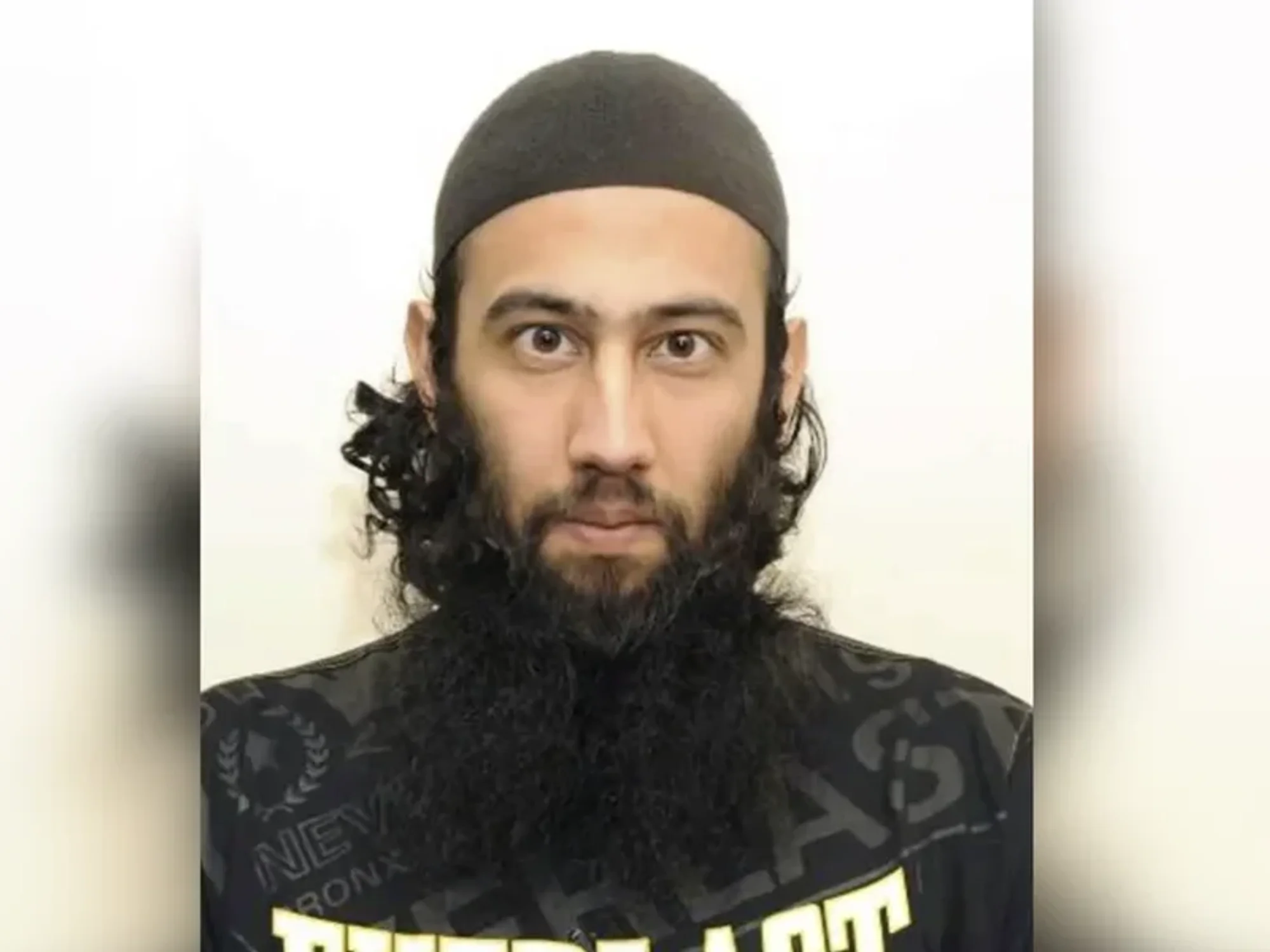
Valdo Calocane was allowed to remain in university accomodation whilst his attack victims were forced to leave due to the negligence of staff at the higher education institution, an inquiry has revealed.
The 34-year-old was diagnosed with paranoid schizophrenia in 2020, while he was a student at the University of Nottingham, three years before he fatally stabbed three people and hit three others with a van.
University staff have told a public inquiry into the killings they were left "in the dark" about the risk Calocane posed before the horror incident - failing to take the necessary preventative measures.
He was a student at the university between 2017 and 2022, while victims Barnaby Webber and Grace O'Malley-Kumar were 19-year-old students at the time they were killed by Calocane on June 13 2023.
TRENDING
Stories
Videos
Your Say
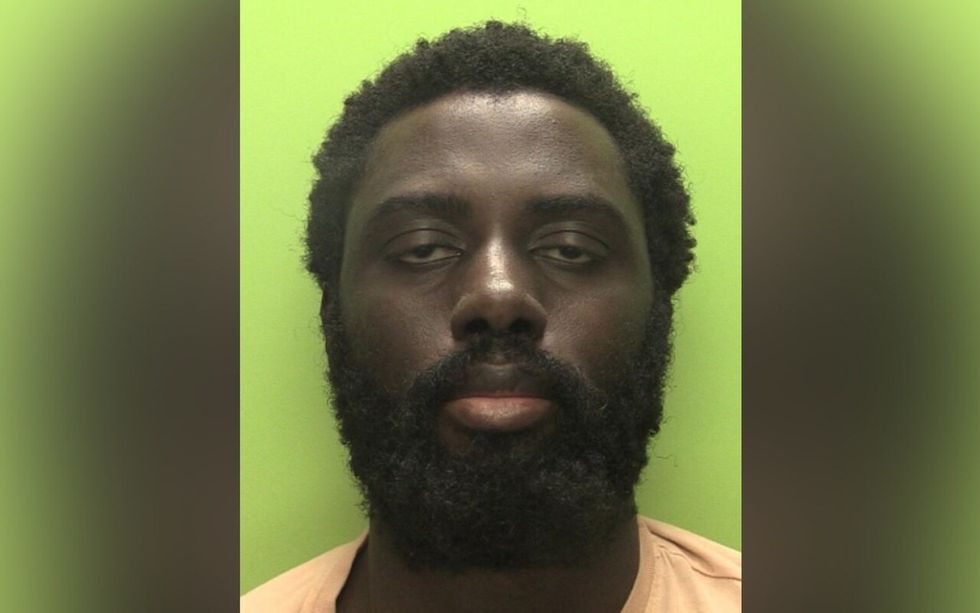 Valdo Calocane killed three people in Nottingham | PA
Calocane also fatally stabbed 65-year-old school caretaker Ian Coates, before using Coates's van to drive into Wayne Birkett, Sharon Miller and Marcin Gawronski - seriously injuring all three.
He was sentenced to a hospital order after pleading guilty to three counts of manslaughter on the grounds of diminished responsibility and three counts of attempted murder.
The public inquiry hearings, led by retired senior judge Deborah Taylor KC, began on Monday and are expected to hear from more than 100 witnesses over the course of nine weeks.
On Wednesday, the inquiry heard from Claire Thompson - ex-wellbeing officer to Calocane during his years as a student, having since become a "close point of contact" for two of the victims' families.
Ms Thompson said assessing Calocane's risk was "very difficult - especially when we have access to so little information".
"We would expect that risk to have been fully assessed by the mental health team who have got the remit and information," she added.
The university first became aware of Calocane's struggles with his mental health in June 2020, when his mother Celeste emailed the university about his first psychotic episode and subsequent admission to a mental health ward.
A number of incidents followed that admission over the next two years - some of which the university was aware of, but others that it was not.
He became increasingly violent towards other students and was detained under the Mental Health Act on numerous occasions, but was not removed from his studies.
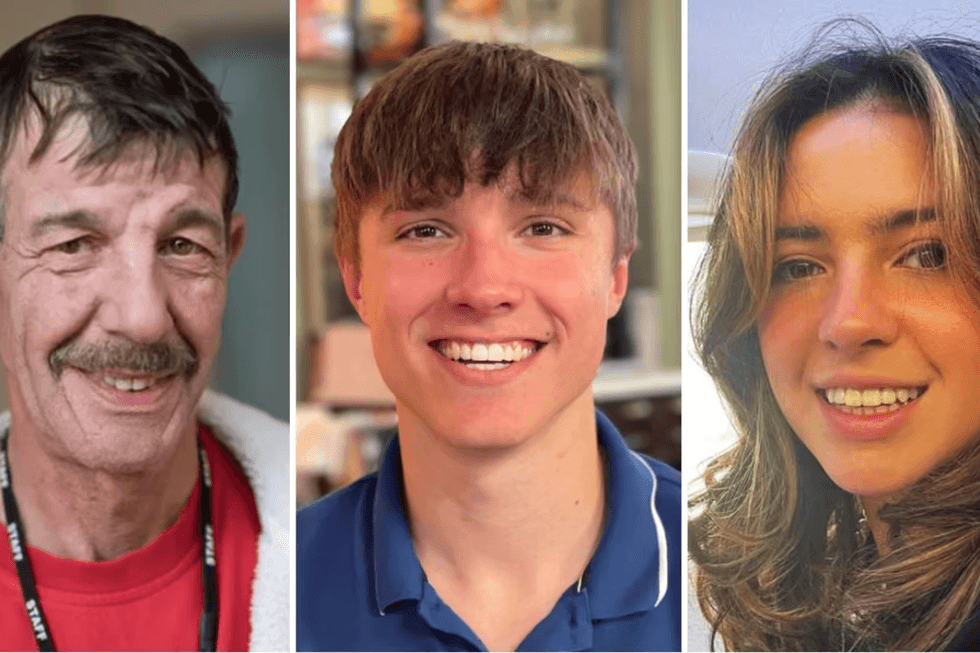
Victims Ian Coates, Barnaby Webber and Grace O’Malley-Kumar
|Nottinghamshire Police/PA
LATEST DEVELOPMENTS
Ms Thompson, former associate director of student wellbeing, told the inquiry: "A lot of the information, we have become aware of since the actual attacks happened".
Calocane had a period away from his studies between November 2020 and 2021 and the university said it did not suggest an earlier interruption because his risk to other students was "low" due to Covid-19 lockdown restrictions.
Prior to the attacks, Calocane visited MI5 claiming to have information about a case, was involved in an incident with a flatmate and assaulted a police officer - none of which came to the attention of the university.
Julian Blake KC, counsel to the inquiry, told Eleanor Turner, head of mental health advisory services at the university: "Standing back for a moment it's nothing short of astonishing that in September 2021 the university were not aware of him attacking a police officer and being admitted and detained.
"But when we see references or comments by his tutors, it's difficult standing back not to think they were just in the dark about who he was engaging with."
Ms Turner replied: "I think we were all in the dark".
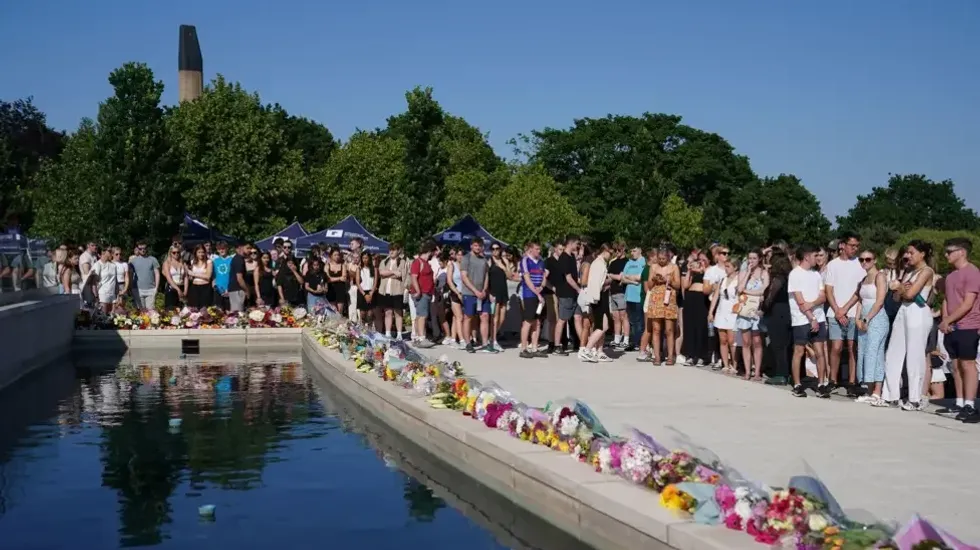
A vigil was held at the University of Nottingham in memory of the victims
|PA
Ms Thompson said there had been "a missed opportunity" that came as a result of not sharing information, partly by the NHS, partly by police.
"A missed opportunity to say what the consequences might have been further down the line," she said.
"I feel quite irritated that there's a suggestion that we didn't do enough and then there's a suggestion we are just a university. I just find that very offensive in all honestly.
"It's offensive and contradictory and that's not how we work."
It wasn't just the university that could've done more to step in, as the NHS, police and other bodies involved with Calocane had equal opportunity to treat his situation with more credence.
Barrister Anna Bicarregui, for NHS England, told the families of victims and survivors: “The NHS and the system as a whole failed you with devastating consequences".
John Beggs KC, for Nottinghamshire Police, offered an “unreserved apology” for the force over what he described as “serious, systemic, operational failure".
A statement by Calocane’s mother Celeste and brother Elias said the tragedy would have been “preventable” had his schizophrenia been treated differently.
More From GB News