

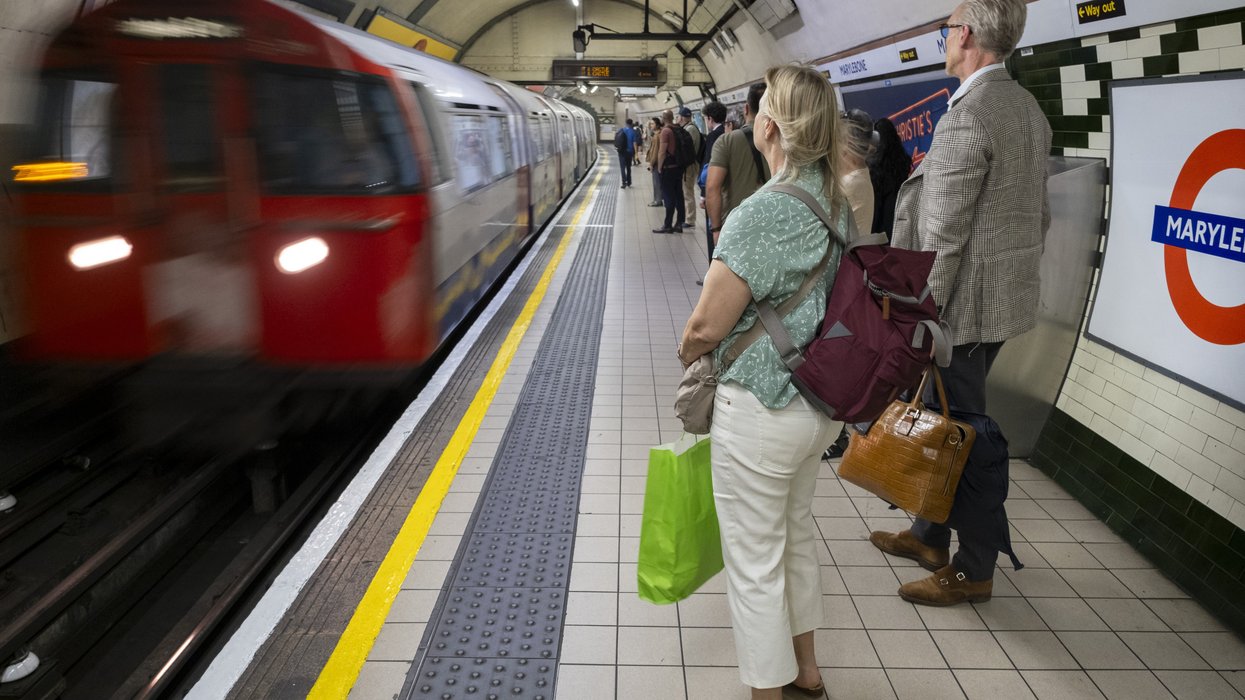






A tube strike has kicked off in London after RMT union "instructed" train drivers to not come into work.
The union announced it is going forward with 24-hour long walkouts today and Thursday June 4.
Services will be disrupted throughout the day, with some lines completely stopping and suspensions and delays occurring in others.
London buses, the Overground, Elizabeth lines, DLR and tram services are operating as usual, but are expected to be busy.
TRENDING
Stories
Videos
Your Say
Bakerloo, Central, Circle, District, Hammersmith & City, Metropolitan, Northern, Piccadilly, Victoria, Waterloo & City and Windrush all currently are experiencing delay or total suspension.
An RMT spokesman said yesterday: "Despite our best efforts in Acas talks, TfL have failed to provide assurances on our members deeply held concerns around fatigue, reduced flexibility, shift lengths and the impact these proposals could have in a safety-critical role like Tube driving."
"We remain available for meaningful talks, but strike action tomorrow will now go ahead."
Another 24-hour strike is due to take place on Thursday.
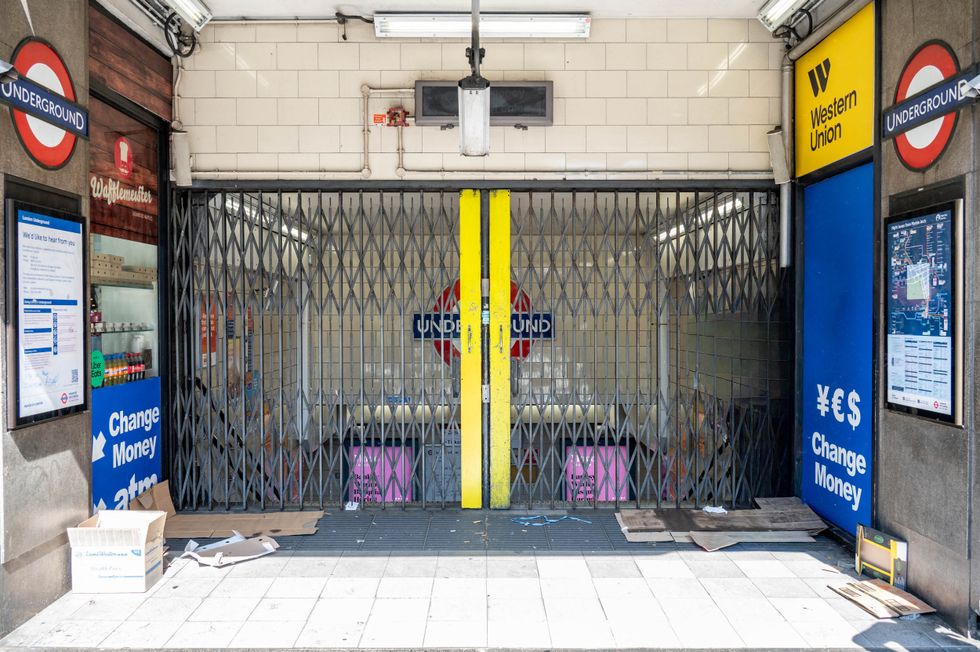
Travel disruption is expected across the capital causing misery for London's commuters today and Thursday
|GETTY
The strike action is over proposals to introduce a voluntary four-day working week.
However, the RMT union, more formally known as the National Union of Rail, Maritime and Transport Workers, rejected the offer.
Under the proposals, tube drivers would have their working hours reduced to 35 hours a week - now at 36 hours, but their contractual hours remain because of the introduction of paid meal breaks.
Essentially, tube drivers would work longer days, but fewer days.
LATEST DEVELOPMENTS
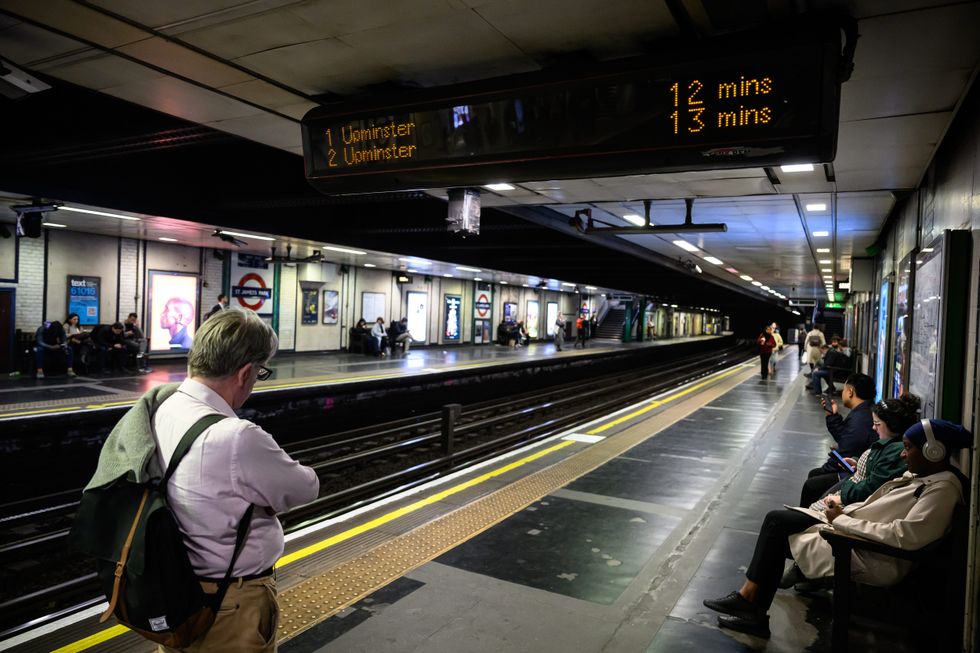
Normal service is expected to run on Wednesday and Friday of this working week
|GETTY
The RMT union said the working day would be too long, putting drivers at risk of tiredness and ultimately, risking safety.
They instead want a 32-hour week over four days, which means drivers would work three hours less each week but keep the same salary as before.
It is currently being voluntarily trailled on the Bakerloo line to see if the plans can be rolled out more broadly.
A TfL spokesperson said yesterday: "It is bitterly disappointing that despite five hours of meetings with the RMT at Acas and repeated assurances that the four-day working week proposals will remain voluntary, RMT has chosen to continue with its disruptive strike action.
"We will do all we can to provide as much service as possible during this action."
Aslef, the union representing a slightly higher proportion of Tube drivers, said it was "surprised" by the RMT's decision to take strike action, having itself agreed to the voluntary compressed four-day week arrangement.
An Aslef spokesman said the deal gave participating drivers an extra 35 days off a year in exchange for what it described as "some fairly minor changes to working conditions."
They accused the RMT of planning "the first strike in the history of the trade union movement designed to stop people having a shorter working week and more time off".
The RMT responded simply that it had "a different perspective from Aslef."
You can find live updates for the Tube network on TfL's website.