










Macmillan Cancer Support is set to introduce a new welfare advice model that will direct ongoing financial and wellbeing assistance towards LGBTQ+ individuals, ethnic minority patients and those with pre-existing health conditions.
The revised approach, scheduled to commence on June 1, will see benefits advisers focus their more intensive "casework" support on groups the charity considers most vulnerable.
Those with caring responsibilities will also receive priority under the scheme.
A £16.5million annual grant will fund the restructured service, with funding guaranteed until June 2029.
TRENDING
Stories
Videos
Your Say
The charity's welfare advisers have spent nearly twenty years assisting newly diagnosed patients in obtaining essential benefits when cancer prevents them from working.
Through partnerships with 120 local organisations, including Citizens Advice branches, the service assisted over 100,000 cancer patients during 2024.
The charity has faced significant financial strain in recent years, forcing difficult decisions about its services.
Last year, Macmillan reduced its workforce by a quarter and discontinued its £17million annual hardship fund, which had previously distributed £200 grants to tens of thousands of cancer patients on low incomes.
Macmillan Cancer Support was criticised by a whistleblower
|WIKICOMMONS
Bosses also contemplated withdrawing the welfare advice service altogether, a proposal that sparked public outcry.
Operating costs for the service had climbed above £20million, which the organisation deemed unsustainable, whilst demand continued to exceed capacity.
The restructured model aims to deliver better value by partnering with fewer local organisations and reserving the most resource-intensive casework for those identified as having the greatest need.
The charity examined NHS cancer patient experience data to determine which groups should receive priority access.
LATEST DEVELOPMENTS
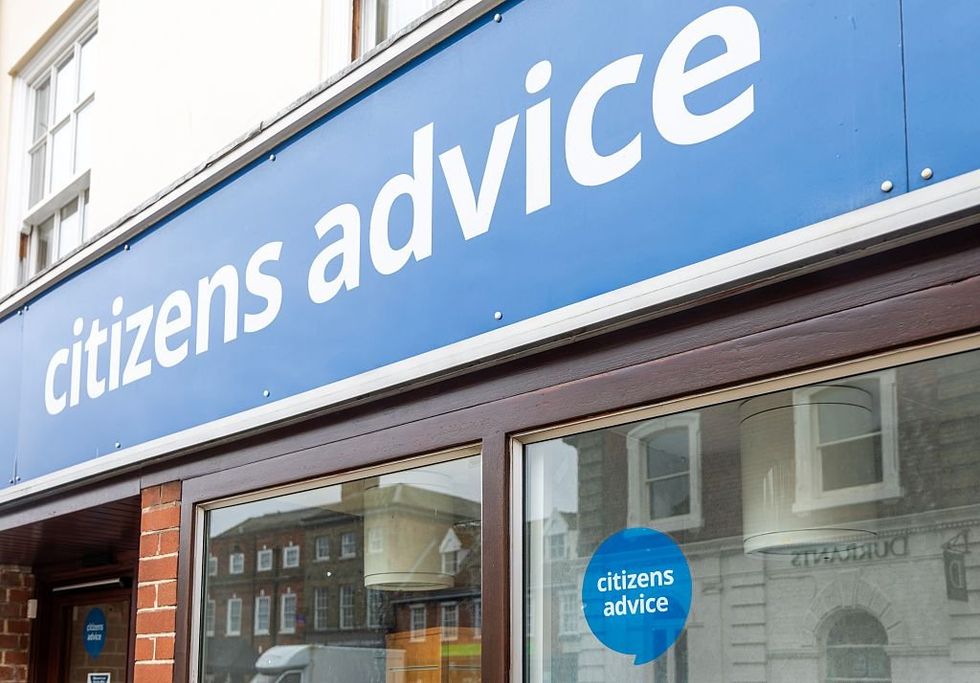
The funding is delivered through 120 local organisations, including Citizens Advice branches
|GETTY
According to the survey findings, individuals who declined to state whether their gender identity matched their sex registered at birth, along with those identifying as Mixed, Asian, Black, or who did not provide ethnicity information, reported below-average experiences of overall care.
Kate Seymour, Macmillan's head of advocacy, explained that NHS data indicated "many people with cancer are reporting poorer experiences across several areas of care, particularly some people who face the highest risk of health inequalities, such as those with mixed or multiple ethnicities, and those from the LGBTQ+ community."
She noted that Black, LGBTQ+, autistic patients, and those with learning disabilities or other long-term conditions were "significantly less likely to get the support they need with their health and wellbeing while receiving hospital treatment."
The proposed changes have prompted unease among some benefits advisers, with one whistleblower describing the approach as "simply wrong."

The charity said it had been under financial strain for several years
|GETTY
A Macmillan social security adviser, speaking anonymously on Saturday, told The Sunday Telegraph: "There is considerable angst amongst staff about having to ask patients sensitive questions about their sexuality. Such questions just feel inappropriate."
The adviser added that whilst addressing health inequalities was "an admirable goal," favouring certain groups based on characteristics such as skin colour was fundamentally problematic.
Evidence supporting the new model remains inconsistent. Office for National Statistics data shows white British people are, on average, more likely to develop and die from cancer than Asian, Chinese and mixed-race groups.
Neither Cancer Research UK nor Macmillan have found evidence that being gay or transgender affects cancer outcomes in the UK.
GB News has contacted Citizens Advice for a comment.
More From GB News