

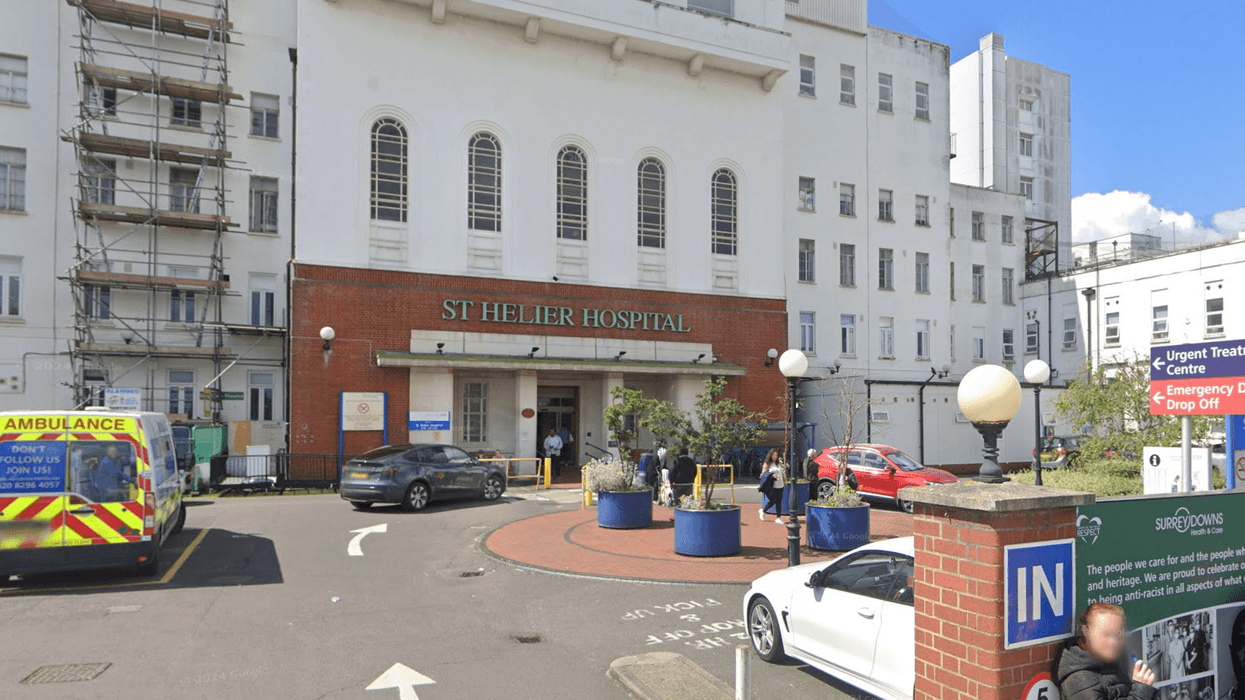









The Court of Appeal has determined that a hospital acted unlawfully after it stopped life-sustaining treatment, leading to a patient's death.
St Helier Hospital illegally shut off life-sustaining dialysis treatment for 68-year-old Robert Barnor on February 11, overriding his family's objections and bypassing judicial oversight.
Lord Justice Baker, delivering the unanimous verdict alongside Lord Justice Newey and Lady Justice Asplin, stated: "The hospital cannot pre-empt court proceedings by unilaterally withholding or withdrawing treatment on 'clinical' grounds."
Lord Justice Baker further declared: "The course taken by the Trust in this case was contrary to established principle and practice articulated in the case law, the Code of Practice, and guidance."
Mr Barnor was discovered collapsed and unconscious at his home by his children on April 7, 2025, having suffered a stroke that caused extensive brain damage.
Following initial treatment, he was successfully removed from a ventilator but remained reliant on twice-weekly dialysis due to kidney failure linked to pre-existing diabetes.
His relatives maintained that his condition showed improvement over subsequent months, such as tracking people with his eyes, squeezing his wife's hand with varying pressure upon request, blinking when asked, responding to music, and gesturing when requiring assistance.
The family captured video footage of these responses to share with medical staff, though the Trust subsequently prohibited filming within the intensive care unit.
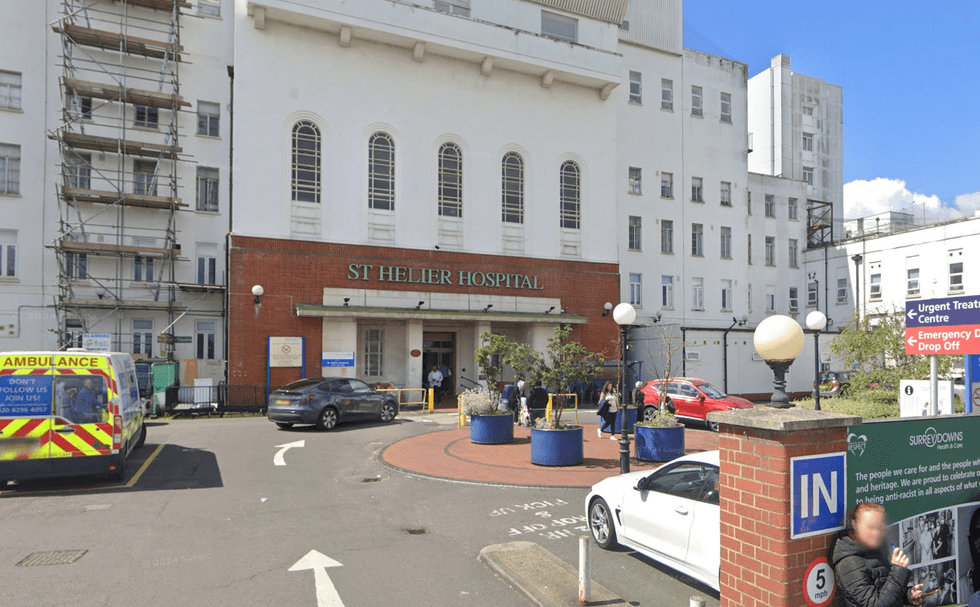
The Court of Appeal has determined that St Helier Hospital acted unlawfully after it stopped life-sustaining treatment, leading to a patient's death
|GOOGLE MAPS
Epsom and St Helier University Hospitals NHS Trust took a contrary view, arguing that ending treatment served Mr Barnor's best interests.
Court documents examined during the appeal hearing revealed troubling guidance provided to the Trust by Professor Lynn Turner-Stokes, the National Clinical Lead for prolonged disorders of consciousness.
In November 2025, Professor Turner-Stokes advised the hospital to frame the withdrawal of treatment as a unilateral "clinical decision" while avoiding any reference to Mr Barnor's "best interests" — a deliberate strategy to circumvent court involvement.
She further recommended that decisions be attributed to a "multidisciplinary team" to ensure no individual bore sole responsibility.
LATEST DEVELOPMENTS
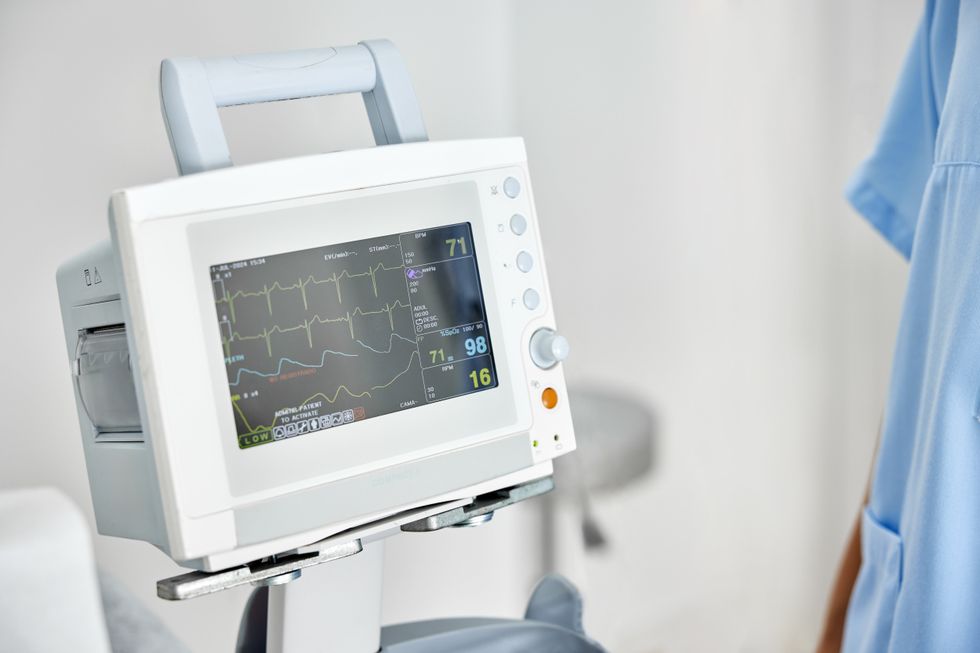
Following initial treatment, Robert Barnor was successfully removed from a ventilator but remained reliant on twice-weekly dialysis due to kidney failure linked to pre-existing diabetes, with his family insisting his condition was improving (stock)
|GETTY
Professor Turner-Stokes also suggested amending hospital records on Mr Barnor's diagnosis from "minimally conscious state" to "terminal decline of consciousness," which would have eliminated requirements for detailed assessment under applicable clinical guidelines.
The family, supported by the Christian Legal Centre, mounted an urgent application to the Court of Protection seeking a declaration that continued treatment served Mr Barnor's best interests.
Andrea Williams, Chief Executive of the Christian Legal Centre, said: "Lessons should be learnt from the tragic story of Mr Barnor’s death. A thorough public inquiry into the medical and legal aspects of end-of-life care in this country is long overdue.
"The system must be urgently reformed to introduce robust protections for the sanctity of life, which remains a fundamental principle of law.
"It is a privilege to stand with Mr Barnor’s courageous family, at this tragic time, in their battle for justice."
On February 17, Justice Theis, the Court's Vice President, declined to grant permission for proceedings, ruling that the judiciary lacked authority to intervene in clinical decisions.
The family immediately appealed this determination, and on February 23, the Court of Appeal overturned Justice Theis's ruling and directed that another judge should urgently consider whether restarting dialysis would benefit Mr Barnor.
Tragically, Mr Barnor passed away on the morning of February 27 — mere hours before a judge was scheduled to rule on reinstating his treatment.
Strict reporting restrictions had anonymised the family throughout proceedings, only being relaxed following his death.
The family's solicitors have contacted the South London Coroner requesting a comprehensive investigation into the circumstances surrounding Mr Barnor's death.
Lesley Barnor Townsend spoke candidly about her family's ordeal, telling The Telegraph: "Three very senior judges have given a well-reasoned judgment which means that the NHS unlawfully deprived my father of his right to live.
"It is too late now to save my father's life, but the system which took it away should be held accountable for that, for the sake of other people's fathers and mothers, brothers and sisters, husbands, wives and children, whose lives still depend on it."
A spokesman for St George's, Epsom and St Helier University Hospitals and Health Group said: "Our sympathies are with the family at this very difficult time."
They added the group is "reflecting carefully on the Court of Appeal's judgment".