











Britain's first wildlife "green bridge" costing £3.7million will help snakes and toads cross a busy A-road from next month.
The Cockcrow Bridge spans the A3 near Cobham, allowing all sorts of local wildlife to make the crossing without fear of oncoming traffic.
Heather and shrubs cover the 68-metre structure, creating a traffic-free corridor for local animals - and joining two areas of heathland which had been separated since the A3 was first constructed back in the 1970s.
Conservationists hope the project will boost populations of grass snakes, adders and common toads in the area.
The bridge has also been designed for pedestrians, cyclists and horse riders, replacing a 1980s footbridge demolished in February last year.
Belted Galloway cattle will also it to access grazing land on the commons, particularly distinctive with a single white stripe across their bodies.
In total, the structure measures 30 metres in width, designed primarily for reptiles and invertebrates, allowing them to dodge traffic.
A spokesman for National Highways said: "Spanning an impressive 30 metres in width, the bridge will reconnect the commons either side of the A3 and provide a natural and safe corridor for local wildlife.
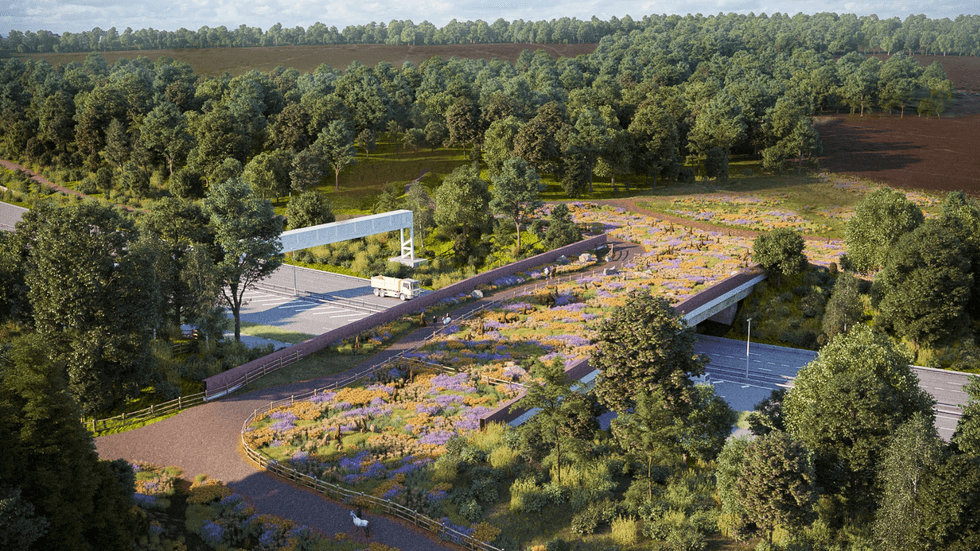
The Cockcrow Bridge spans the A3 near Cobham
|NATIONAL HIGHWAYS
"It has been designed with reptiles and invertebrates at its heart."
Meanwhile, Steve Elderkin, director of environmental sustainability at National Highways, said: "While roads have always connected people and places, they are too often a barrier for nature, severing habitats and contributing to the decline in biodiversity.
"Our green bridges are designed to blend with the landscape and connect habitats, animals and people, leaving a lasting legacy to ensure nature thrives."
Sand lizards, silver-studded butterflies and heath tiger beetles from Ockham and Wisley commons should also thrive with their new transport links courtesy of the British taxpayer.
BRITAIN'S ROADS - READ THE LATEST:
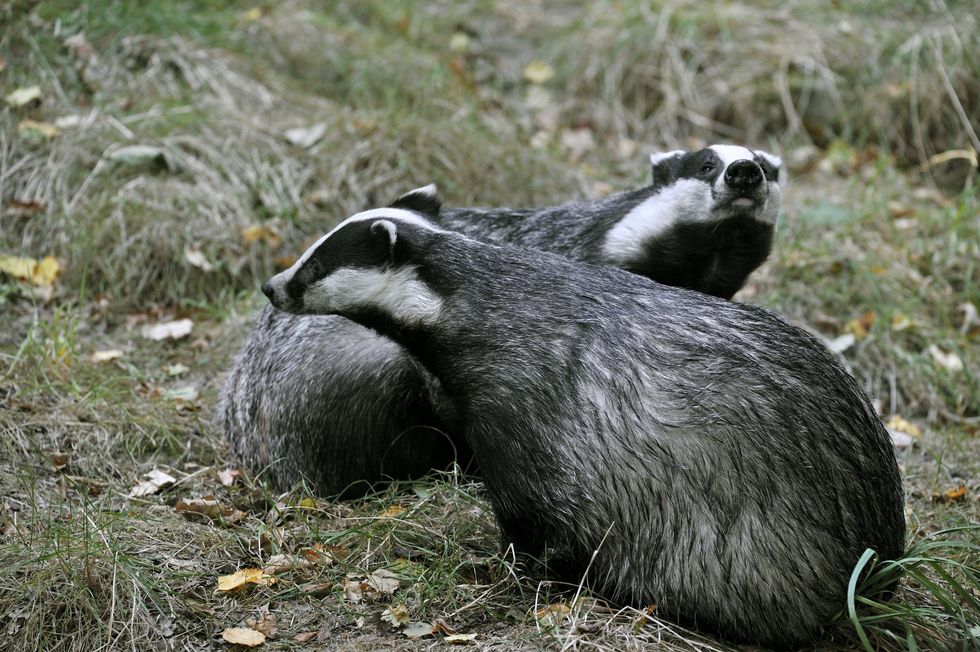
Another green bridge being built in Cornwall will help badgers and voles cross the A30.
|GETTY
While wildlife crossings are widespread across Europe and North America, Britain has several examples, including structures over the A556 near Chester and the A21 in Kent.
National Highways is building two more green bridges elsewhere, with one at Marazanvose in Cornwall will help badgers and voles cross the A30.
Another in Gloucestershire will span the A417, featuring hedgerows and grassland for both wildlife and walkers on the Gloucestershire Way.
Heather transplanted from nearby commons already provides natural habitats on the crossing, with both commons holding protected status as sites of special scientific interest.
National Highways hopes wildlife will "spread across the local area and encourage them to grow in numbers".
The Cockcrow Bridge makes up of part of am ambitious £317million scheme to upgrade junction 10 on the M25.
Two toad underpasses will also be constructed as part of this three-year project, which started back in 2022, hoping to ease congestion and improve road safety.
The HS2 railway line between London and Birmingham will incorporate 16 green bridges and five green tunnels.
A 900-metre "bat shed" costing £100million will also be built near Aylesbury to shield a bat colony from high-speed trains.