

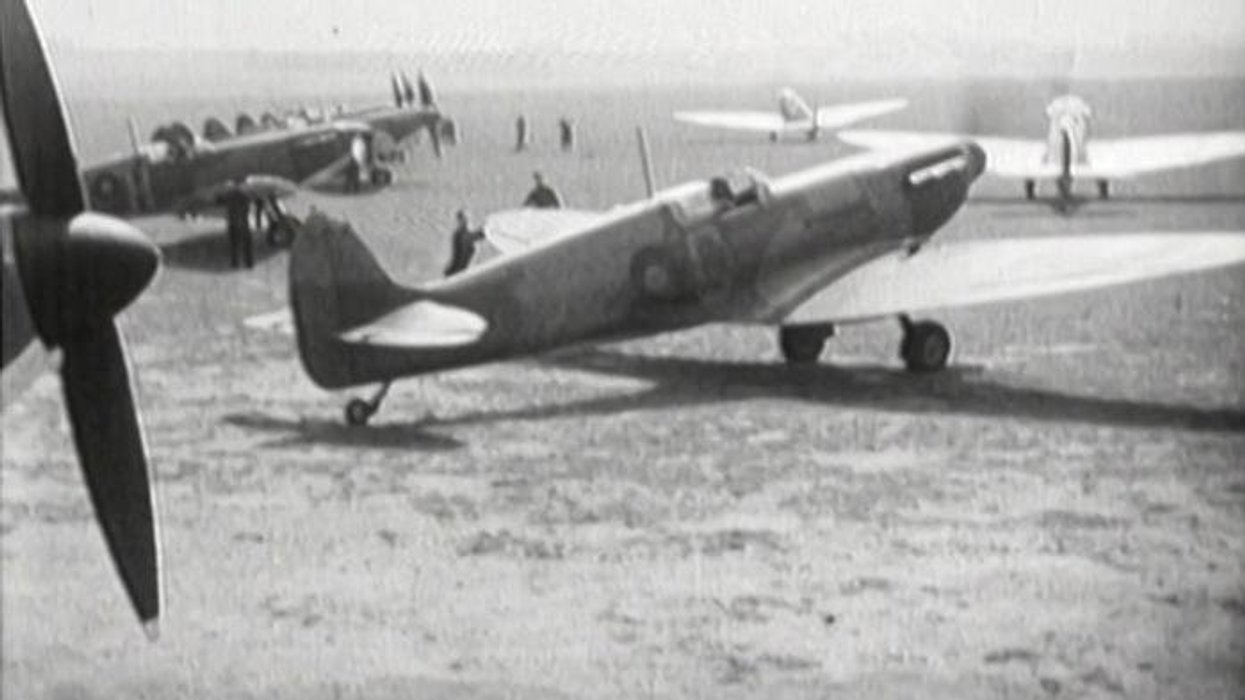







A wartime Spitfire will take off on the first of nine flights today to mark 90 years since the plane was first tested.
The Supermarine Spitfire helped change the war and swing the odds in Britain’s favour, playing a key role in the RAF winning the Battle of Britain.
It was designed by Reginald Joseph Mitchell, an already successful designer of aircraft in the 1920s. His skill caught the attention of the air ministry who tasked him with designing a new fighter plane.
With its innovative semi-elliptical wings, the prototype took its first test flight in 1936.
TRENDING
Stories
Videos
Your Say
It was piloted by Joseph “Mutt” Summers and lasted only eight minutes. On landing, it’s thought Summers told engineers: “Don’t change a thing!”
To commemorate the 90th anniversary of the test, spitfires.com, in collaboration with the RAF and their Battle of Britain Memorial Flight crew, will fly a two-seater wartime Spitfire painted in the colours of the prototype aircraft K5054.
The plane will take part in nine flights, one for every decade being commemorated, raising money for the Mark Long Trust and RAF Benevolent Fund.
Pilot, Matt Jones, owner and founder of spitfires.com, says remembering those who came before is a big reason behind why it’s important to keep them flying.
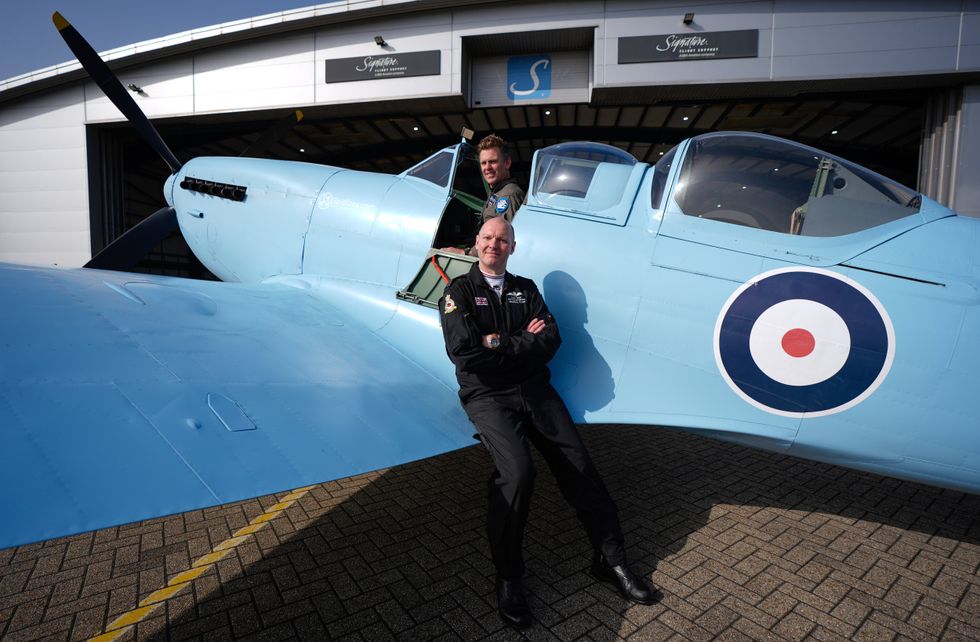
With its innovative semi-elliptical wings, the prototype took its first test flight in 1936
|PA
He said: “This piece of machinery sort of represents so many people, those who gave their lives, those who are prepared to give their lives, those who designed it and those who maintained it.
“I think if we if we forget this aeroplane, we forget those people, and I think it's important in life, indeed I believe, you don't know who you are unless you know where you came from.
“I think this aeroplane represents that.”
Spitfires.com say the first flight will depart from Southampton International Airport, formerly Eastleigh Airport and the location of the first flight of the Spitfire in 1936, before flying over key historic locations.
LATEST DEVELOPMENTS
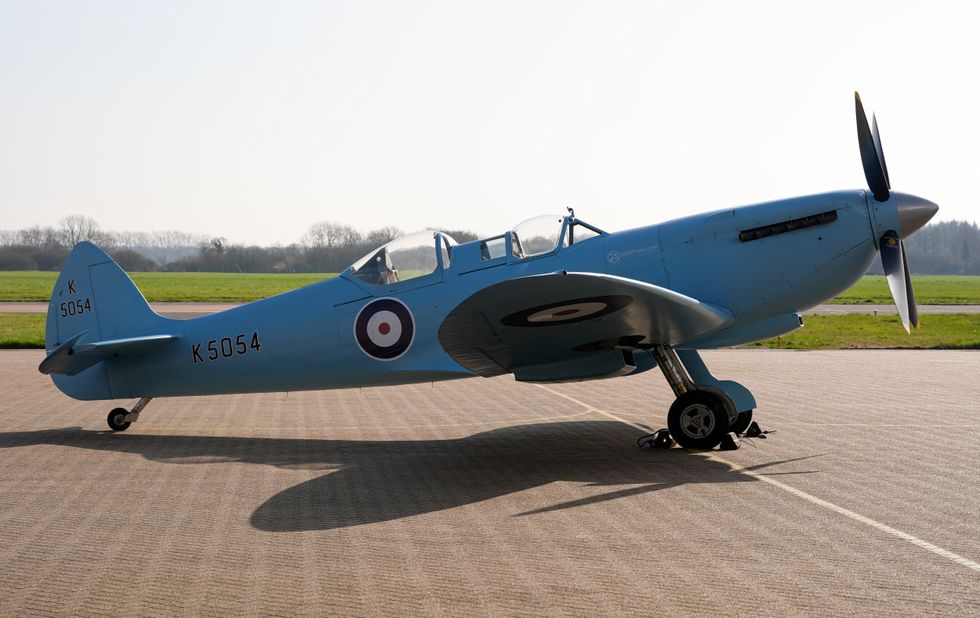
The plane will take part in nine flights, one for every decade being commemorated, raising money for the Mark Long Trust and RAF Benevolent Fund
|PA
They include: Reginald J. Mitchell’s grave, the site of the original Spitfire Factory, Beachy Head and RAF Coningsby.
First built in Southampton, production was moved to other sites, like Castle Bromwich, when the original factory was bombed twice by the Luftwaffe in September 1940.
With their famous Rolls-Royce Merlin and later, Griffon, engines, more than 20,000 were built.
When the Battle of Britain began in July 1940, the Spitfires rushed to defend the skies. The bravery of the pilots was often the only difference in the air. The average life expectancy of a Spitfire pilot at the time was just four weeks.
Five hundred and twenty nine enemy aircraft were shot down by the plane during the battle, with the courage of those flying them inspiring one of Winston Churchill’s most famous wartime speeches.
Speaking at the dispatch box in the House of Commons on August 20 1940, Churchill said: “The gratitude of every home in our Island, in our Empire, and indeed throughout the world, except in the abodes of the guilty, goes out to the British airmen who, undaunted by odds, unwearied in their constant challenge and mortal danger, are turning the tide of the world war by their prowess and by their devotion.
“Never in the field of human conflict was so much owed by so many to so few.”
Director of the Spitfire Visitor Centre in Blackpool, John Coombes, says the aircraft is iconic in Britain’s history.
He told GB News: “The Royal Air Force was still flying around in in biplanes like the Gloucester Gladiators and those similar sorts of aircraft.
“A single seat, single wing fighter was something that was that futuristic. The Spitfire could do things that no other aircraft had done before.
“Whether they're eight years of age, or 88 years of age, it literally is a national hero and a national symbol.”
The Spitfire engaged in combat throughout the rest of war, as part of the campaigns in the Mediterranean, North Africa and the Pacific, remaining in RAF service until April 1 1954.