








Suggestions of a jet fuel shortage ruining British holidaymakers may blow over but other financial pressures are still influencing Brits deciding if they’ll spend the summer holiday overseas.
Middle Eastern conflicts inflating fuel and energy bills and cost of living woes are enough of a reason for millions of Britons to choose to pack the family up for a great British staycation.
Scotland’s official tourism agency, VisitScotland, says the Highlands and Islands is now Britain’s second top choice for a summer getaway behind England.
That’s supported by data from VisitBritain, showing the number of surveyed Brits travelling to Scotland increased fivefold in March (15 per cent) compared to just 3 per cent the previous year.
Scotland welcomes around £11.4billion in annual visitor spend, but the prospect of a sharp rise in visitor numbers is enough for some communities to recoil.
Concerns of overtourism grip those who live near some of Scotland’s beauty spots and historical sites, such as along the popular North Coast 500 (NC500) route, Edinburgh’s Old Town and the Isle of Skye.
Campaigners are keen to tread lightly - nobody wants to discourage tourists from visiting - but desperation is rising as roads crumble, bins overflow and potential employees are priced out of local housing.
Robin Pettigrew lives in Lochcarron, a small village on the Highland west coast near the start of the North Coast 500 route.
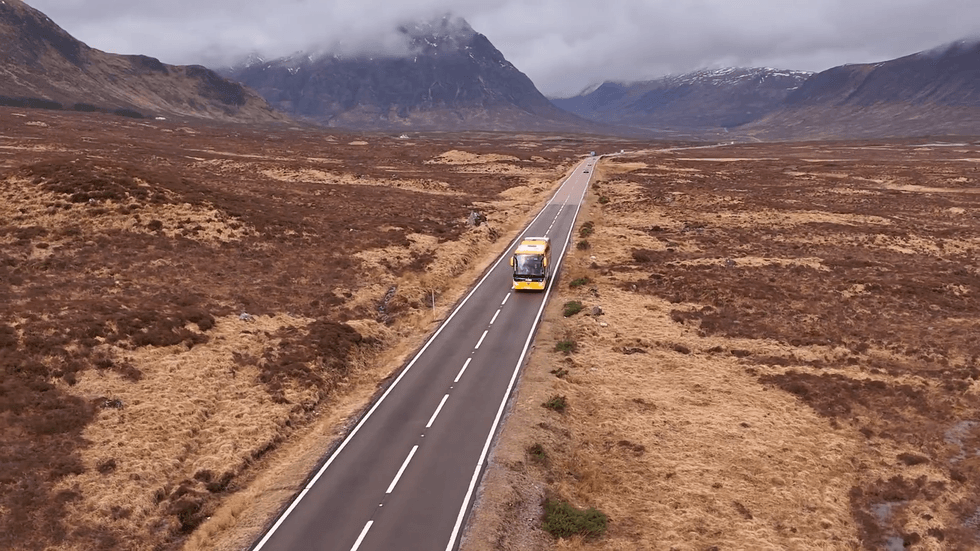
Scotland welcomes around £11.4billion in annual visitor spend
|GB NEWS
He believes a minority of bad actors are doing enough damage to drive away responsible visitors.
Describing a report from Highland Council access rangers registering 5,000 people camping at Ceannabeinne Beach in one month, he said the “world-class” beach had just “one small car park; no toilets and the surrounding area turned into an open sewer”.
Robin identified two issues that run deeper than an overpopulated and deeply unsanitary campsite: visitors passing through contribute comparatively little to the local economy at shops, pubs and restaurants; and a trend has emerged of housing being bought up by visitors to use infrequently, leaving a lack of options for would-be future full-time residents seeking employment in the area.
He remarked: “This constant mantra of ‘tourism creates all these jobs’ - they might create jobs but what it really does is create a whole bunch of unfilled vacancies because they can’t house the people for the jobs they’re creating.
“The Isle of Skye has a population of 12,000 and had 1,700 vacancies for doctors, nurses, care workers, construction workers and they just couldn’t get housing."
LATEST DEVELOPMENTS:
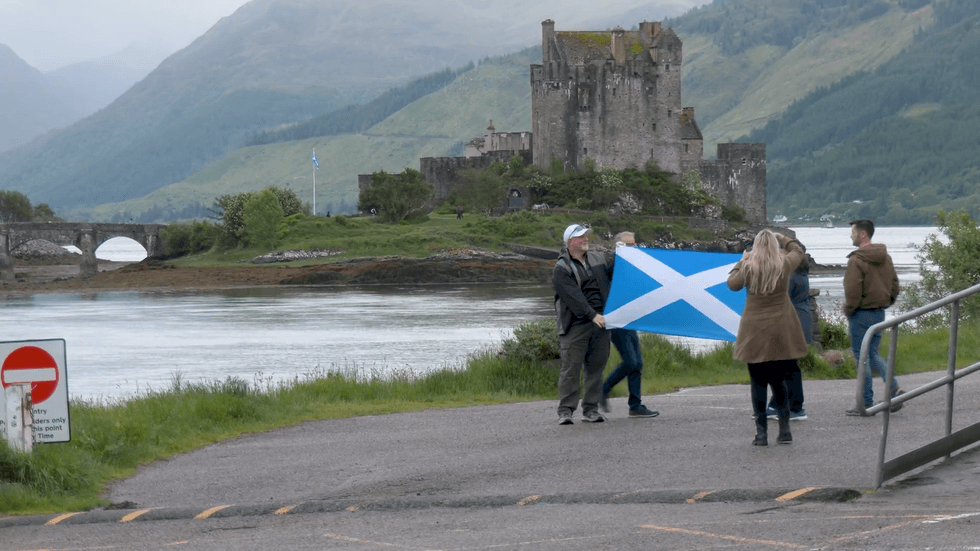
Scotland’s official tourism agency, VisitScotland, says the Highlands and Islands is now Britain’s second top choice for a summer getaway
|GB NEWS
He highlights the village of Plockton, which he says sits “almost entirely in darkness” year-round with the exception of just one home that houses a local permanent resident.
Travelling south to the Strath Fillan town of Tyndrum - the gateway to the Highlands - award-winning roadside cafe owner Sarah Heward has watched the gradual increase of visitors passing through over 20 years.
Since 2020, volunteers have answered her calls to litter pick along the A84, cleaning up after drivers who selfishly choose lay-bys instead of bins to dispose of bottles, bricks, human waste and everything in-between.
She believes the solution to overtourism concerns lies in the controlled community and stakeholder allocation of visitor spend to reinvest back into local services and infrastructure.
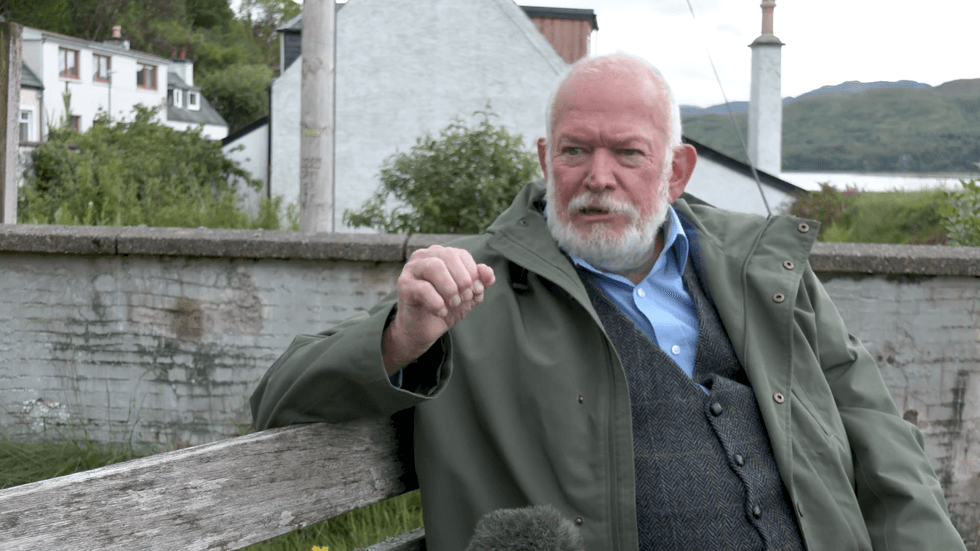
Robin Pettigrew believes a minority of bad actors are doing enough damage to drive away responsible visitors
|GB NEWS
“If the revenue that was generated by tourism was given to and spent by the communities and stakeholders in tourism,” she began, “we probably wouldn’t even be having this conversation.
“Most visitors want to do the right thing - not all, but most - but it can sometimes be very challenging when there isn’t the infrastructure there that helps them to do that and it starts small with education, signage, advertising and it goes on to physical infrastructure such as toilets.”
Weeks after the Scottish parliamentary election, she hopes that over the next five years MSPs are “brave in their thinking” and willing to “challenge traditional ways” of combatting irresponsible tourism after previous attempts have fallen short.
Fresh from a successful election, Liberal Democrat David Green MSP represents Scotland’s largest constituency - Caithness, Sutherland and Ross - which as it so happens, contains around 90 per cent of the North Coast 500 route.
He believes it isn’t enough to set aside funds to repair the roads - money needs to be invested to improve and advance the network.
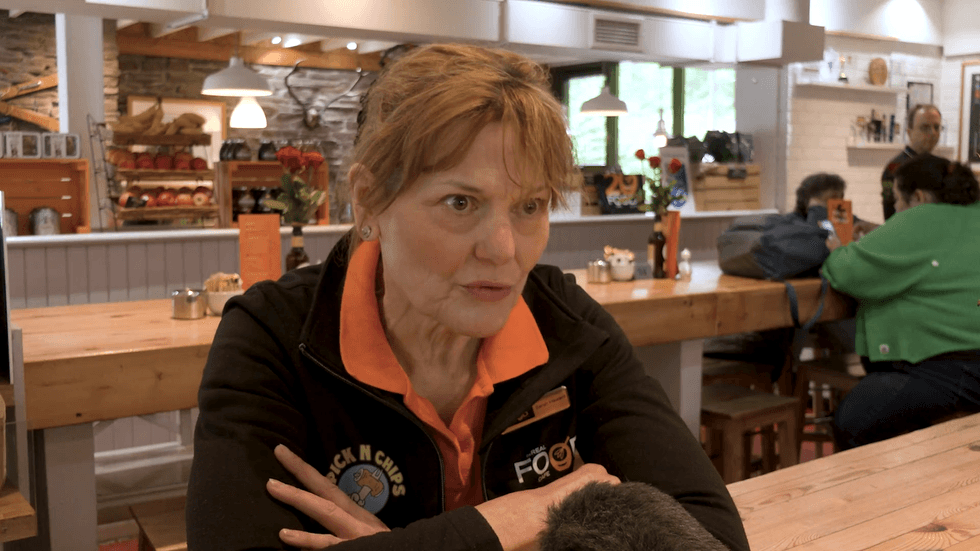
Sarah Heward has watched the gradual increase of visitors passing through over 20 years
|GB NEWS

David Green MSP believes money needs to be invested to improve and advance the network
|GB NEWS
He explained: “The state of the roads is a wellbeing issue, not just a safety issue.”
“I met a woman in Balintore - a seaside village just outside Tain - who said, ‘David, I don’t drive when it gets dark’.
“That means that over the whole course of winter, an 82-year-old woman doesn’t get into her car because she’s scared of the damage potholes might do to it.
“Isolation is an increasing problem for a lot of our older generation right across the Highlands so we’ve got to get this right.”
A recent NC500 impact assessment explored resident concerns: four in five residents reported seeing detrimental traffic congestion “daily” or “often”; positivity around the NC500 fell from 40 per cent to 10 per cent between 2015 and 2025; and 61 per cent of locals “strongly disagreed” the North Coast 500 Ltd acts in the best interest of the local area.
Despite this, the report suggests it is important to interpret negative NC500 experiences “in the context of wider tourism trends”.
While acknowledging the array of issues along the NC500, “other communities elsewhere in the Highlands experience similar issues - in some cases to a worse extent than the North Highlands”.