











Engineers investigating the collapse of a historic Victorian bridge in Scotland believe soil erosion caused by fast-moving water was responsible for the structure giving way.
The 19th century viaduct in Moray partially fell into the River Spey on Sunday, with initial assessments pointing to a phenomenon known as scour.
Moray Council said preliminary inspections suggest rapidly flowing currents stripped away soil, gravel and sand from around the bridge's foundations.
The iron girder structure, originally constructed between 1883 and 1886, spans Scotland's fastest flowing river near Garmouth.
Police Scoland reported no injuries when the section collapsed, although the area remains cordoned off.
According to the local authority, the river's flow path appears to have shifted over the past twelve months, potentially altering how water impacts the bridge's supporting piers.
When specialist contractors last examined the viaduct in 2023, they found no evidence of scour affecting the structure.
A routine visual assessment was conducted by the council's qualified bridge inspector in May this year as part of regular three-yearly checks.
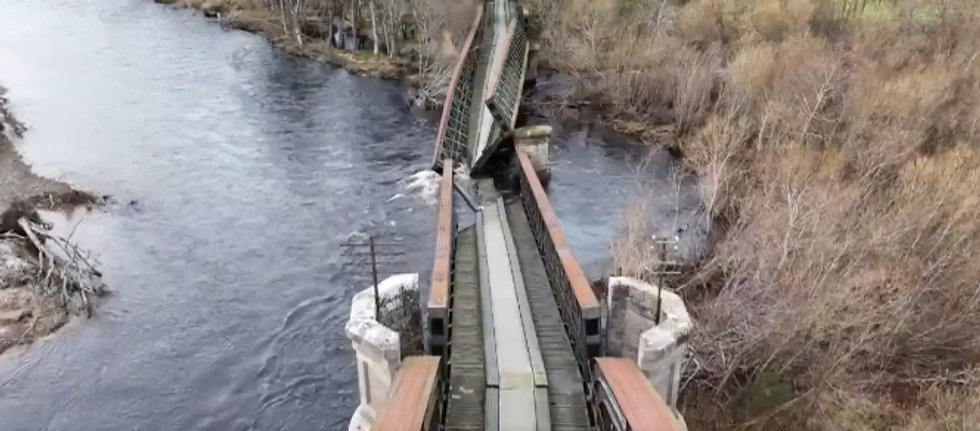
The 19th century Spey Viaduct in Moray partially fell into the River Spey on Sunday,
|STV
However, the foundations could not be safely examined during this general inspection due to the Spey's rapid currents, which require specialist support for underwater assessments.
The collapse has left residents and visitors devastated, with the viaduct holding deep significance for the local community.
Scottish National Party MSP Richard Lochhead said: "The local community will be heartbroken by the collapse of the much-loved Spey Viaduct, which is not only an iconic structure but also incredibly popular with walkers, cyclists, and tourists."
Councillor Shona Morrison, representing Fochabers and Lhanbryde, described her reaction: "The viaduct holds such a special place in my family's heart, it is devastating to see the collapse of such a well-loved and iconic landmark."
LATEST DEVELOPMENTS
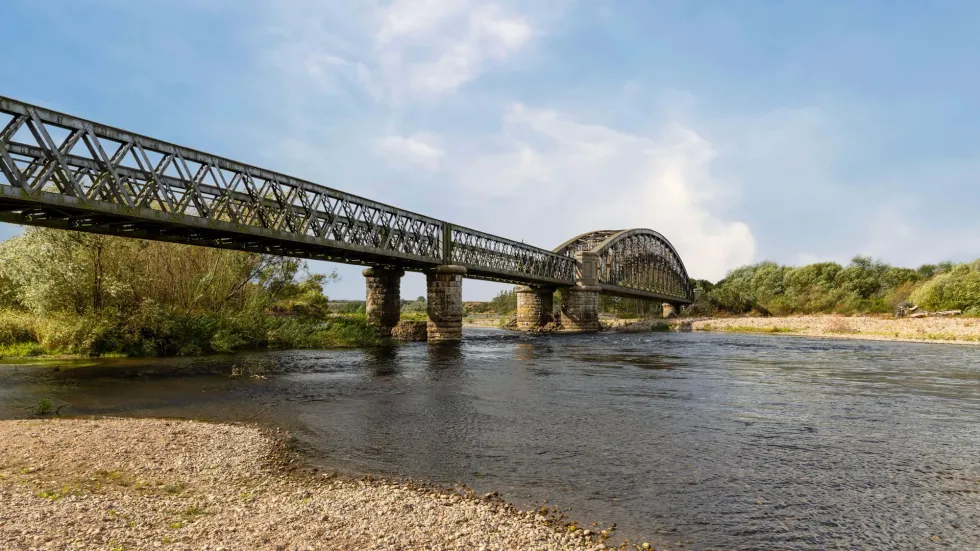
The bridge formed part of the Speyside Way walking trail and National Cycle Network
|PA
The bridge formed part of the Speyside Way walking trail and National Cycle Network, having been converted after the railway line closed in the 1960s.
Decisions regarding the viaduct's long-term future will be made in the new year once initial clean-up operations are complete.
The council stated it is arranging for a specialist engineer to carry out a more thorough inspection, hopefully before Christmas or early January.
Options for potentially repairing or replacing the structure will be presented to councillors as soon as practically possible.
A council spokesman said: “We’re in the process of instructing a specialist engineer to undertake a more detailed inspection and assessment and hope that this can be progressed before Christmas or early in the new year.
“In the immediate future the area around the structure will be made safe with clean-up works to avoid further damage, with further detailed inspections necessary, by a specialist contractor, to determine any other works required.
“The longer-term future of the bridge will be considered in the new year after the initial clear-up operation, with options presented to councillors as soon as practicably possible.
“We’re well aware of the strength of feeling in the local community, and further afield, for this bridge and how well used it is by walkers and cyclists.”
Our Standards: The GB News Editorial Charter