










The Royal Navy's new warships have been hit by a damning setback as the first two Royal Navy Type 31 frigates are out of sequence.
Babcock International has confirmed the error will necessitate £140million in remedial work.
Today, the defence contractor revealed in a trading update HMS Venturer bore the brunt of the construction errors, although identical mistakes were also made on HMS Active.
The company said: "During the outfitting stage, we have experienced higher-than-expected levels of rework as a result of design changes and the long-term impacts of out-of-sequence build activity earlier in the programme."
Babcock added: "Whilst the number of such rework events is not entirely unexpected, the work is being performed in the later stages of completion and therefore is more complex and more costly."
This latest setback brings cumulative losses on the Type 31 programme to more than £300million.
The Type 31 vessels are intended to serve as the backbone of the Royal Navy's future fleet, capable of deploying helicopters, missiles, armed interceptor craft and drones.
These 5,700-tonne warships will measure approximately 450ft in length, accommodate crews of around 100 sailors, and reach speeds comparable to high-speed motorboats at roughly 30mph.
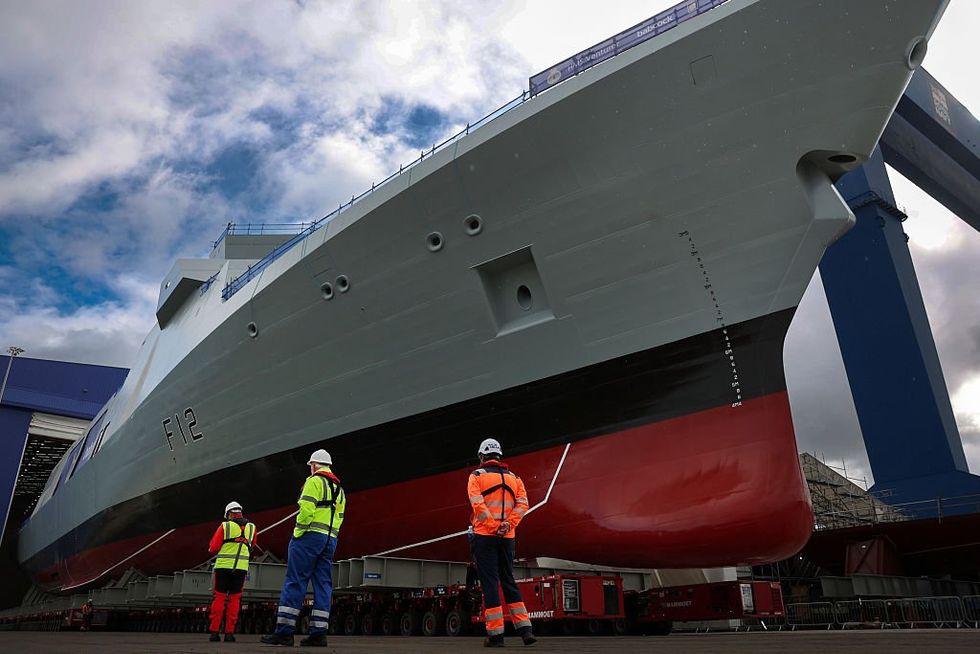
The Royal Navy's new warships have been hit by a damning setback as the first two Type 31 frigates were out of sequence
|GETTY
The frigates are designed to handle diverse operations ranging from counter-piracy and tackling people smuggling through to full armed conflict.
However, the vessels have attracted criticism from some quarters, earning the unflattering nickname "Lidl frigates" due to their comparatively modest planned cost of £250million per ship.
The Type 31s are being built to replace the ageing Type 23 frigates currently in service with the Royal Navy.
HMS Venturer was initially expected to enter service in 2023, a target subsequently pushed back to 2027, with the complete five-ship fleet anticipated to be operational by the early 2030s.
LATEST DEVELOPMENTS
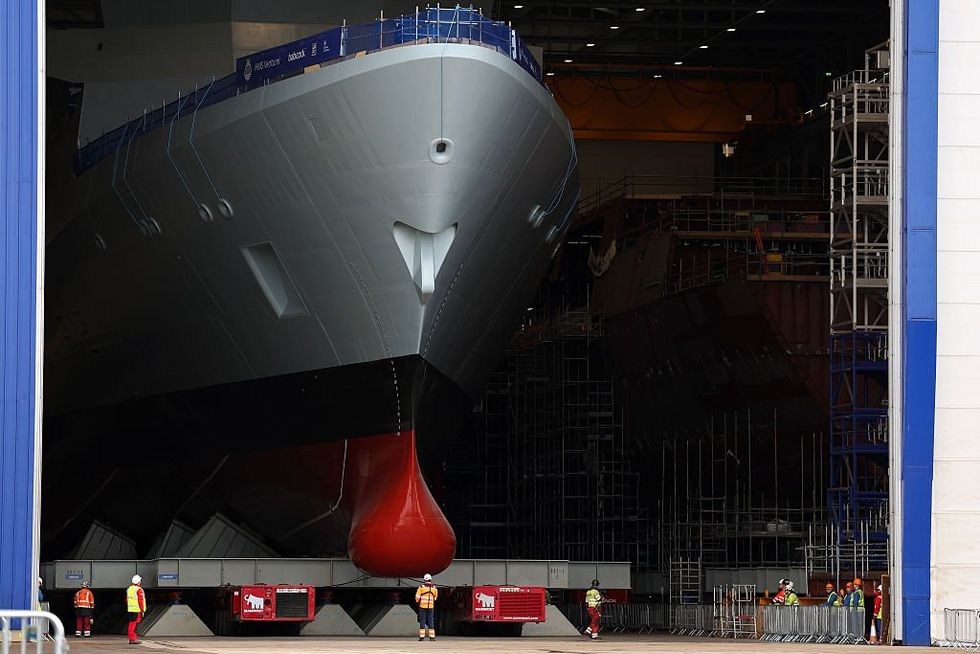
Babcock International has confirmed the error will necessitate £140million in remedial work
|GETTY
The company declined to say whether correcting the engineering errors would result in additional delays.
Both HMS Venturer and HMS Active have now been floated and are undergoing fitting out, while HMS Formidable has had its keel laid and construction has commenced on a fourth vessel, HMS Bulldog.
Earlier this year, chief executive David Lockwood spoke at Babcock's Scottish shipyard, describing the programme's progress as a "powerful demonstration of the drive and delivery focus" of the Type 31 project.
He praised the milestones as evidence of "the maturity of our facility, the success of the design and build process, and the skill and dedication of our Babcock team".
The construction problems compound broader difficulties facing the Royal Navy as it attempts to modernise Britain's deteriorating maritime defences.
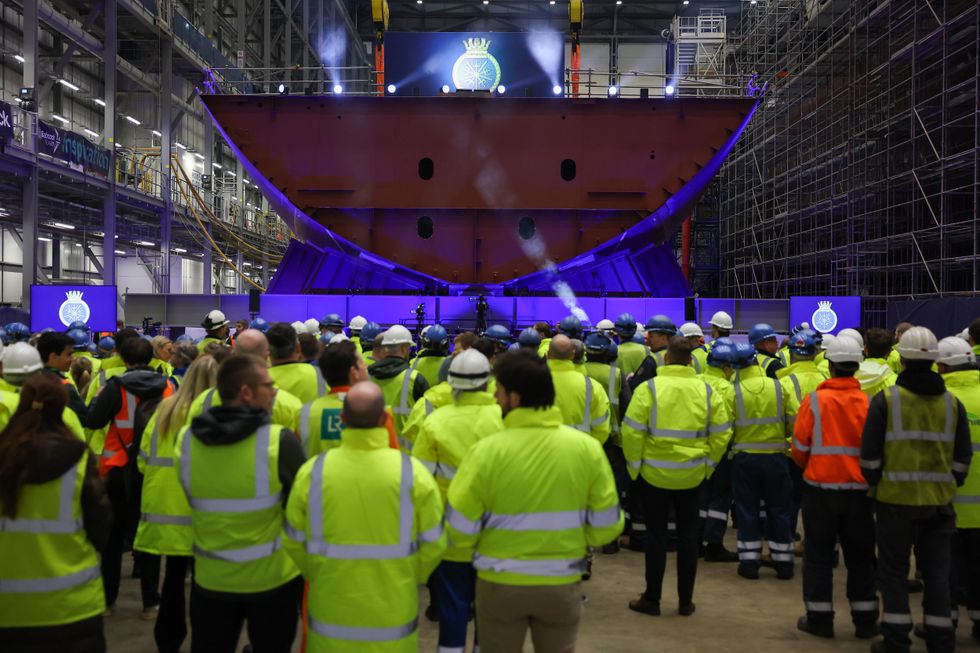
The defence contractor revealed in a trading update HMS Venturer bore the brunt of the construction errors
|GETTY
Just last week, HMS Iron Duke was effectively withdrawn from active duty, reducing the number of operational Type 23 frigates to merely five.
Babcock signed a fixed-price agreement with the Ministry of Defence in 2019, leaving the company responsible for absorbing all cost overruns.
The firm now anticipates operating profits of £293million for the year ending March, a significant drop from £363million the previous year and falling short of analyst forecasts.
Approximately £100million of the £140million charge will appear as a revenue reversal in the 2026 financial year.
A Government spokesman defended the contract, saying they were "providing world-class shipbuilding in Rosyth" and "sustaining 1,250 jobs for Scottish shipbuilding".
Our Standards: The GB News Editorial Charter