






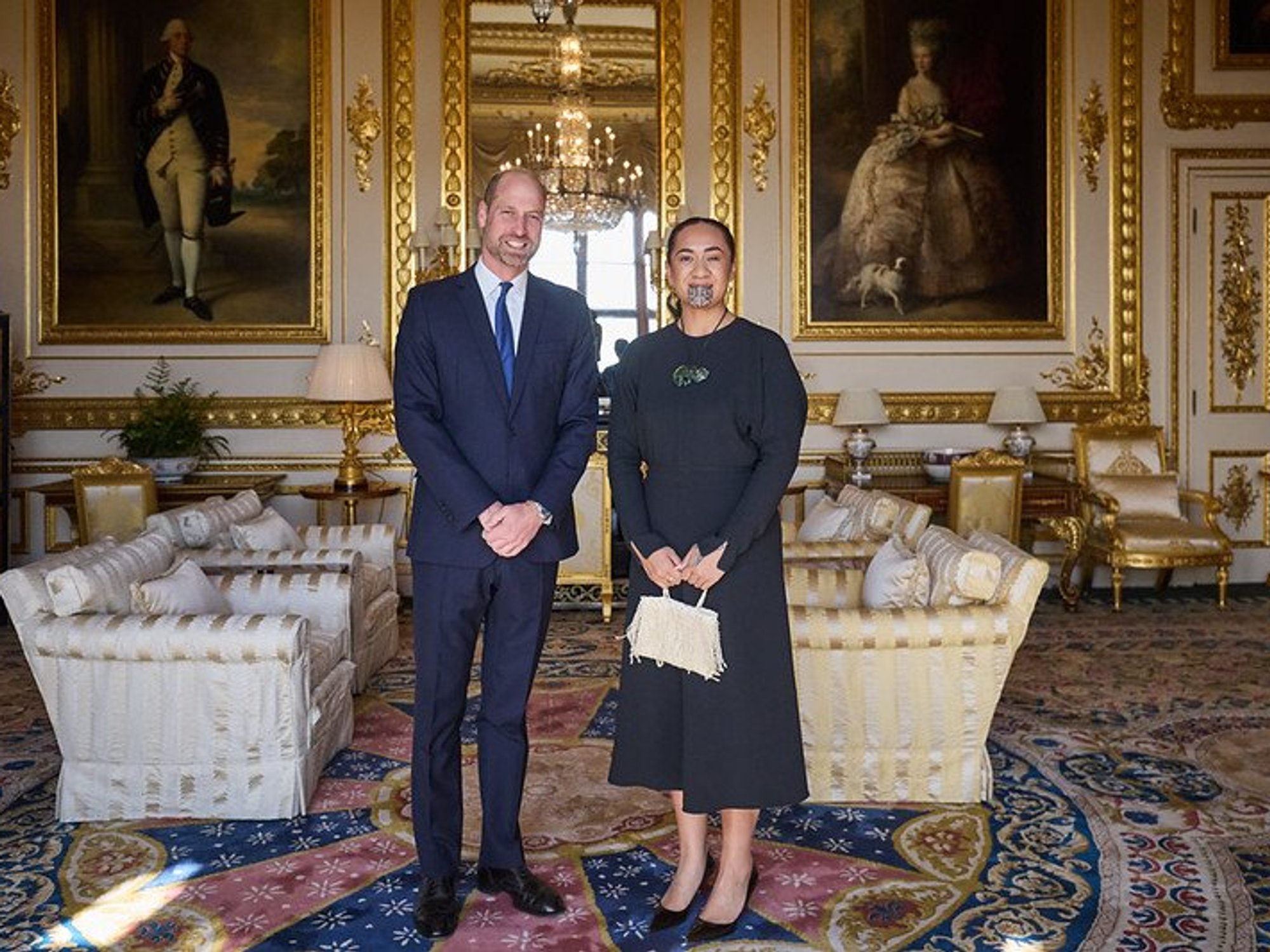




The owner of a historic mansion is locked in a planning dispute with the council after refusing to tear down an "unauthorised" greenhouse.
Andrew Blowers, proprietor of Great Campston Manor in the village of Grosmont in Monmouthshire, Wales, submitted an application last April for a swimming pool and home gym at the grade-II listed home.
Council officials had requested its removal during the planning process but "failed to reach [an] agreement".
Despite contemplating rejection of the entire application due to the greenhouse dispute, Monmouthshire County Council has now granted approval for the pool and gym at the 200-acre estate.
TRENDING
Stories
Videos
Your Say
Planning officer Kate Bingham described the greenhouse as "modern and highly reflective".
She wrote in her report: "It should however be noted that the existing unauthorised Greenhouse south of the proposed pool building, is built and retrospectively indicated on site plan forming part of the application.
"This element is considered domestic, modern and highly reflective therefore particularly detrimental in the setting of the listed buildings as a building that breaks with the aforementioned pattern of development and hierarchy ion materials form and use.
"As such, it has been considered objectionable and although lengthy negotiation for its removal on plan and in physical form has failed to reach agreement, it will be conditioned that notwithstanding the application, 'a greenhouse is not consented as part of this consent' which shall be applied to both Planning permission and Listed Building Consent."
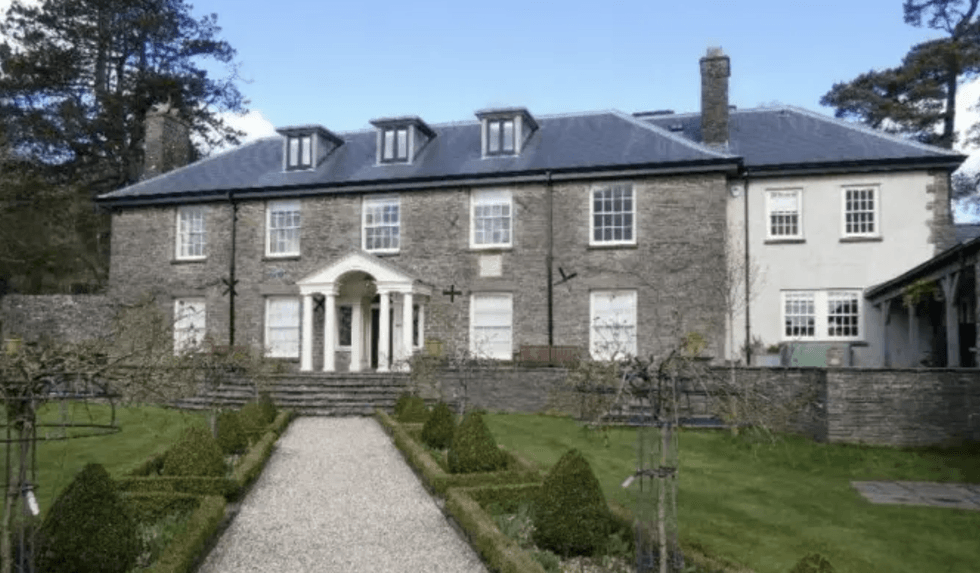
Great Campston near Abergavenny was visited by King Charles I
|MONMOUTHSHIRE COUNCIL
This condition applies to both the planning permission and listed building consent granted for the property.
Evergreen planting to the south of the greenhouse will help screen views of the structure, according to the approved plans, alongside wider biodiversity enhancements across the estate.
The council said refusal of the entire application, which includes the change of use of 226 sq metre (2432 sq ft) of the existing farmyard to residential curtilage to make space for the swimming pool and a new four-bay car port, would be "considered disproportional".
During the application the plans were revised and the design for the building "significantly improved" so that it was considered acceptable in "scale, form and design".
LATEST DEVELOPMENTS
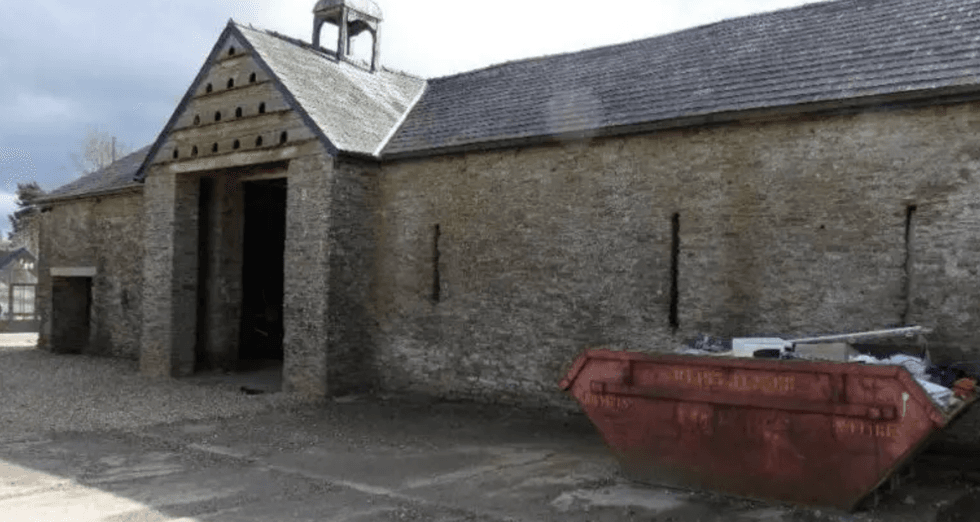
A Grade II barn is on the property
|MONMOUTHSHIRE COUNCIL
According to the plans, evergreen planting south of the greenhouse would also "break up" views, along with improvements made to the site's biodiversity.
Great Campston Manor boasts origins stretching back to the 17th century, though the site's heritage extends to medieval times.
The 11-bedroom residence received its listed status in 1952, with substantial remodelling and extension work carried out in 2002, while a barn on the grounds was separately granted Grade II listing that same year.
The property, which was marketed for £4.5million in 2018, maintains an active working farm and sits at the end of a 450-metre private drive.
King Charles I stayed at the manor in 1645 whilst travelling to Raglan following the Battle of Naseby.
The estate also has connections to Welsh prince Owain Glyndŵr, who suffered a significant defeat to English forces at the Battle of Campston Hill in Grosmont in 1404.
A public footpath runs alongside the driveway to the south of the property, which historically served as one of 17 monastic granges associated with the Cistercian Abbey of Abbey Dore.
More From GB News