










Nepalese authorities have exposed what they describe as an extensive criminal operation targeting mountaineers on Mount Everest.
Investigators have alleged that some guides have been secretly contaminating climbers' food to trigger fake medical emergencies.
According to the police investigation, visitors to Everest have had their meals laced with sodium bicarbonate, also known as baking soda.
When consumed in significant quantities, this substance elevates blood pH levels, producing symptoms remarkably similar to altitude sickness.
TRENDING
Stories
Videos
Your Say
Those affected experience dizziness, headaches and breathing difficulties, with more serious cases developing irregular heart rhythms.
Once climbers fall ill, they are then evacuated by helicopter, with the fraudulent rescuers submitting vastly inflated bills to travel insurance providers.
In certain cases, rescuers have filed claims for evacuations that never took place at all.
Some have even sought reimbursement for supposedly life-saving medical interventions administered to patients who were, at that very moment, perfectly healthy and enjoying food and drinks in the hospital cafeteria.
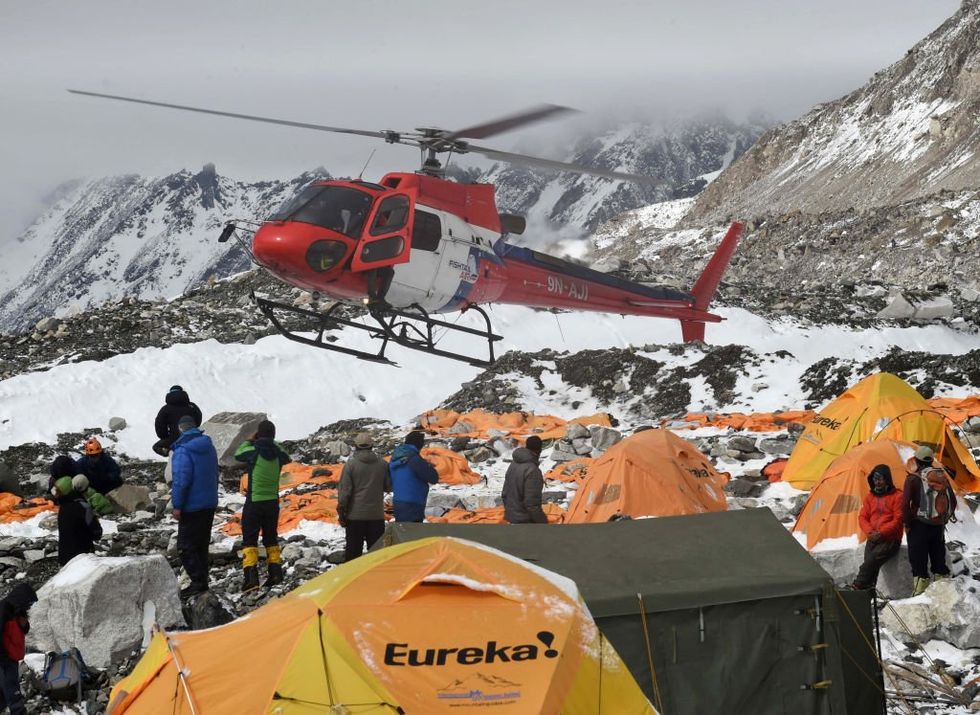
There has been accusations of fraudulent rescues on the world's highest peak
|GETTY
One doctor, during police questioning, reportedly confessed that his medical facility had paid approximately £73,000 in commissions to operating companies, including a helicopter service allegedly connected to the racket.
The scale of the deception is substantial. Nepalese police have confirmed more than 300 fraudulent rescues between 2022 and 2025, amounting to nearly $20million in bogus claims.
Authorities have responded by filing 33 criminal charges, with some prosecutions brought under legislation designed to combat organised crime.
A police spokesperson attributed the scheme's longevity to inadequate enforcement, telling local media that "the scam continued due to lax punitive action" and had "tainted the country's image".
LATEST DEVELOPMENTS
- Vladimir Putin caught helping Iran target Chagos Islands as Russia's three-stage attack plans revealed
- Keir Starmer pushes for closeness with EU warning Iran conflict will 'affect the future of country'
- Last known shipment of jet fuel from Middle East heading towards Europe now destined for Britain amid Iran war
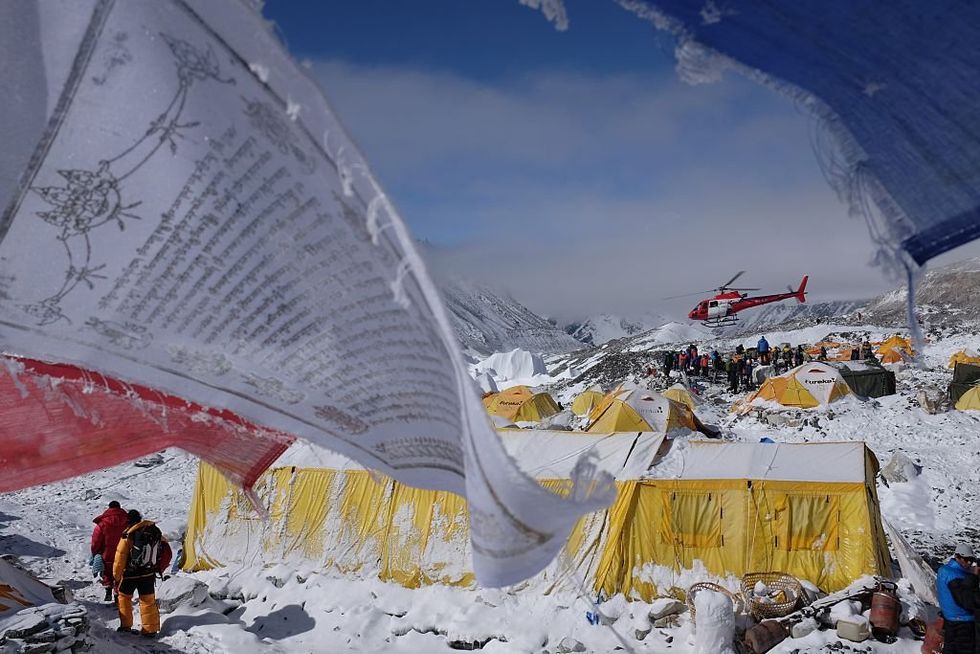
Some prosecutions have been brought against criminals (file pic)
|GETTY
"When there is no action against crime, it flourishes. The insurance scam too flourished as a result," the spokesman added.
Assistant Inspector General Manoj Kumar KC, who forms part of the investigative team, echoed this sentiment, stating that those involved had damaged Nepal's reputation.
For a nation that takes immense pride in its mountaineering heritage, the revelations have proved particularly humiliating.
Nepalese authorities have now introduced stricter oversight measures in response to the scandal.
All rescue operations must henceforth be formally reported to both the tourism department and the tourist police.
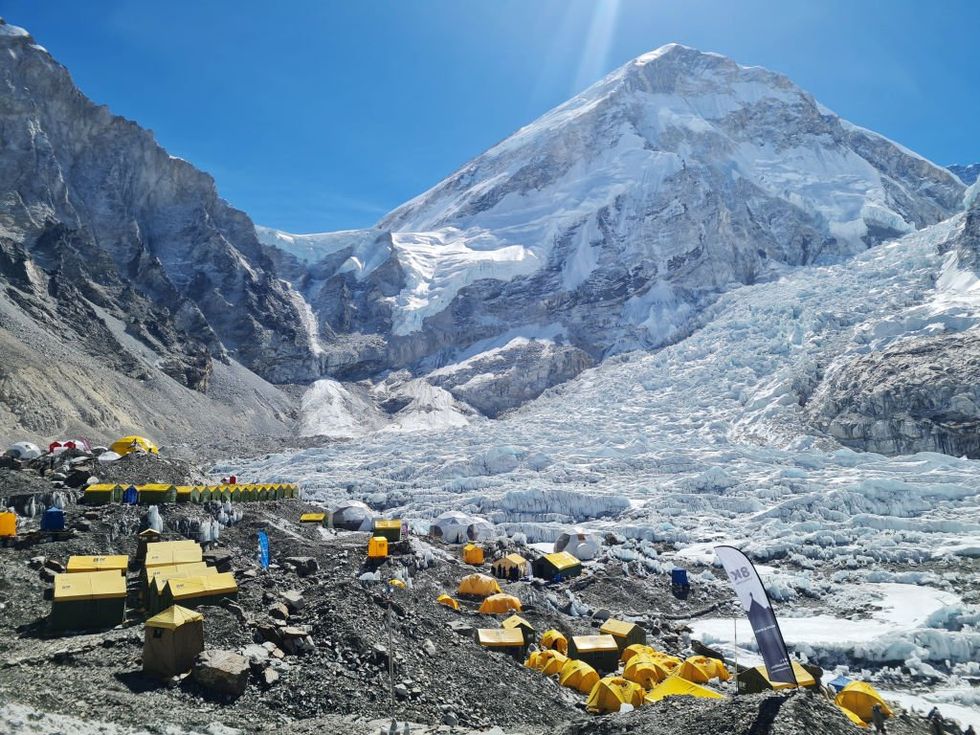
Thousands of tourists flood to Everest Base Camp
|GETTY
These regulatory changes come as the spring climbing season gets underway, with officials anticipating close to 500 mountaineers attempting the summit.
Teams of specialist route-setters, known as icefall doctors, are already installing fixed ropes and ladders in preparation.
Thousands more visitors are expected to undertake the trek to base camp during the brief weather window suitable for ascents.
Himal Gautam, a director at the Department of Tourism, said the new reporting requirements formed part of efforts to restore confidence in Nepal's mountaineering industry.
"We hope they follow the rules this time," he stated.