










An Iranian man who has spent two decades behind bars in the UK following an arson attack has avoided deportation on mental health grounds.
The unnamed migrant, imprisoned since 2006, successfully appealed against removal to Iran by arguing he is so severely mentally unwell that sending him back would violate his human rights.
He told the immigration tribunal he would take his own life if deported to his home country.
The man also asserted that he is gay and would face persecution in Iran due to his sexuality.
TRENDING
Stories
Videos
Your Say
While the Home Office challenged this claim, the tribunal accepted it as credible.
His case will now be reheard following the successful appeal.
The original offence occurred after a dispute with a housemate in 2006, where the Iranian switched on every gas appliance in the property, poured petrol over the carpet, and ignited a candle before leaving the premises.
According to the immigration tribunal, only "pure chance" prevented a "catastrophic explosion" when the candle extinguished itself.
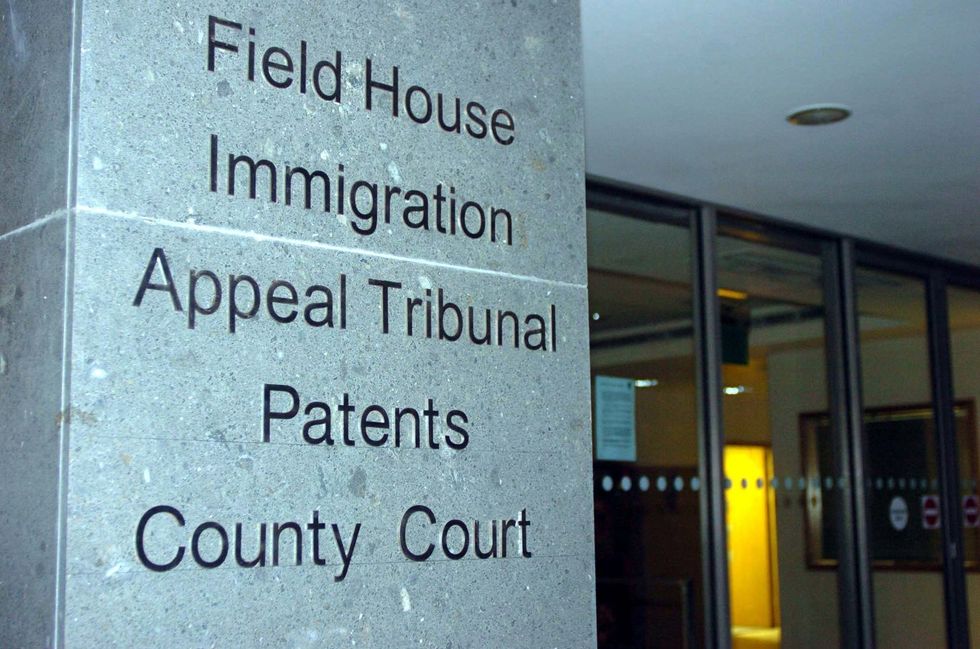
An Iranian man who has spent two decades behind bars in the UK following an arson attack has avoided deportation on mental health grounds
|PA
The severity of the crime led to the man receiving an indeterminate prison sentence, a rare punishment reserved for those deemed exceptionally dangerous to the public.
Under this type of sentence, he will remain incarcerated until authorities determine he no longer poses a threat to society.
The tribunal heard he has since become unmanageable within the prison system, exhibiting extreme self-harming behaviour that has required psychiatric intervention.
Judge Paul Lodato of the upper tribunal ruled that the case must be reconsidered entirely due to fundamental flaws in the original judicial reasoning.
LATEST DEVELOPMENTS

While the Home Office challenged this claim, the tribunal accepted it as credible
| GETTYThe upper tribunal found that the first-tier judge had failed to adequately engage with psychiatric reports and had "baselessly downplayed" the migrant's mental health conditions.
Judge Lodato said: "I am satisfied that there were serious deficiencies in the judicial analysis."
He added: "The judge did not engage with the extensive range of expert opinion which traced a direct line between [his] recognised mental health conditions and high risk of suicide on return."
He emphasised that "anxious scrutiny and lawfully adequate reasons are required before the dismissal of a human rights claim founded on the absolute right to life."
The migrant argued before the upper tribunal that his combination of mental health conditions causes him to behave in a "disinhibited, provocative and unpredictable way when under stress."
Judge Lodato noted that the previous judge "could not satisfactorily explain what the Iranian authorities would be likely to do if confronted with this kind of behaviour" from the man.
The original tribunal had treated the migrant's history of self-harm as separate from suicide risk, characterising his actions as manipulative.
However, the upper tribunal found this approach failed to address critical evidence central to the case.
The matter will now return to the first-tier tribunal for a fresh hearing, where judges will determine whether the man can remain in Britain or must face deportation to Iran.
Our Standards: The GB News Editorial Charter