

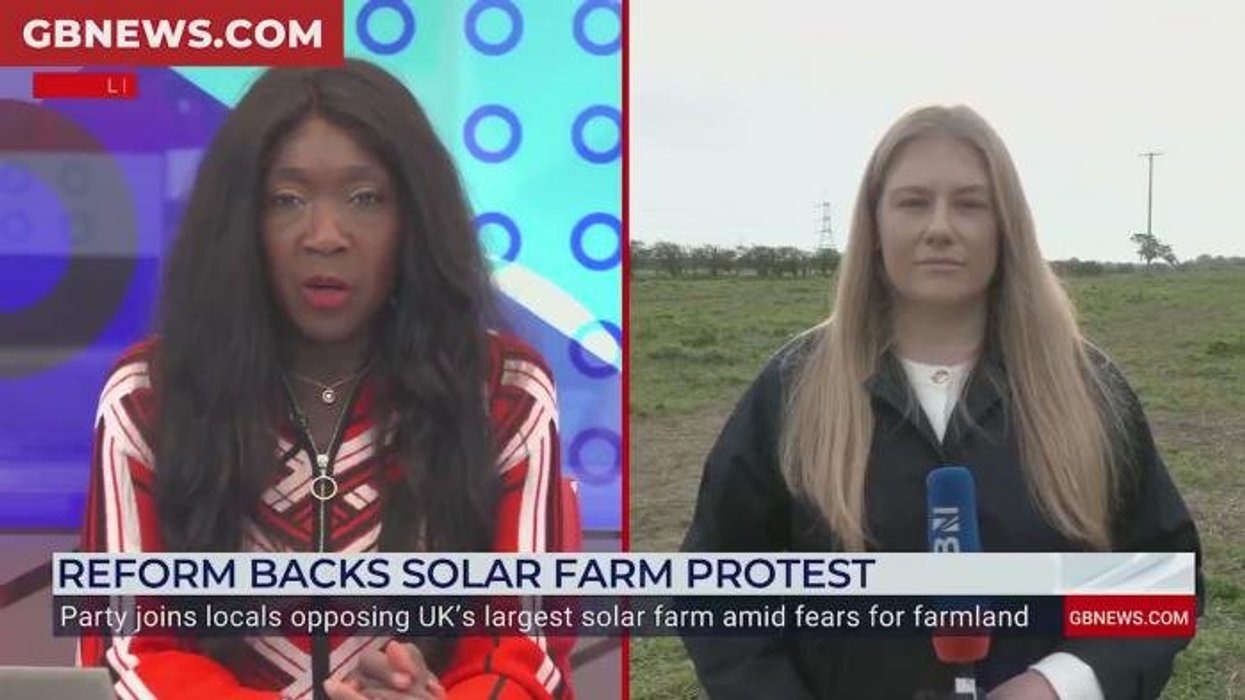







A solar farm the size of 1,800 football pitches has been given the go-ahead, despite locals claiming it will “industrialise a vast rural landscape”.
Springwell Solar Farm is a proposed 800-megawatt project with battery storage and supporting grid connection infrastructure in North Kesteven, Lincolnshire.
According to the developer, it could power more than 180,000 homes a year, the equivalent of half the homes in Lincolnshire.
However, critics have labelled the decision to approve the huge scheme as a “crystal-clear example of Net Zero zealotry”.
TRENDING
Stories
Videos
Your Say
The site is 1,280 hectares, equivalent to nearly 2,000 football pitches. The plans faced stiff opposition from locals and the County Council also sent a letter of objection.
But because the development has such a vast generating output, it was classed as a Nationally Significant Infrastructure Project.
This meant the final decision fell to central Government. It was given the green light by Energy Secretary Ed Miliband, making it the 25th nationally significant clean energy project approved by Labour since the 2024 General Election.
Energy Minister Michael Shanks said the scheme would help UK energy security and bring down costs.
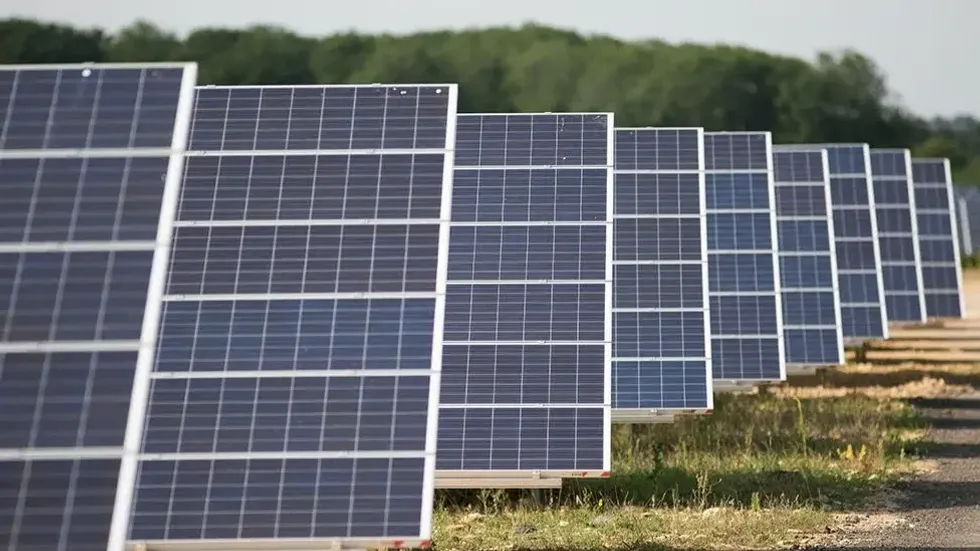
Springwell Solar Farm is a proposed 800-megawatt project with battery storage and supporting grid connection infrastructure in North Kesteven, Lincolnshire
|PA
He said: “We are driving further and faster for clean homegrown power that we control to protect the British people and bring down bills for good.
“It is crucial we learn the lessons of the conflict in the Middle East – solar is one of the cheapest forms of power available and is how we get off the rollercoaster of international fossil fuel markets and secure our own energy independence.”
Ahead of the decision, a meeting of Lincolnshire County Council heard that 42 per cent of the site was classed as “best and most versatile” (BMV) agricultural land.
Of the 591 hectares set to be covered by solar panels, 35 per cent was classed BMV. The meeting heard claims that the development would negatively impact food production.
LATEST DEVELOPMENTS
The council committee voted to send a written objection to the application. It acknowledged that the project would produce clean, renewable energy but concluded that the positive impacts were outweighed by negatives.
Caroline Johnson, MP for Sleaford and North Hykeham, told Lincolnshire World that the decision showed “utter contempt for our local communities, our local landscape and Lincolnshire’s national role in food production”.
She said: “This crystal-clear example of Net Zero zealotry from this government highlights their complete disregard for rural communities and my affected constituents.
“The decision to allow thousands of acres of agricultural land to be turned over to solar installations and cause huge impacts on local residents while doing so is completely irrational.
“I am so sorry to all who have fought so diligently against the Springwell application. I will not be giving up my fight against all mega solar farms.”
Local residents had previously objected to the project, branding it “monstrous”.
One wrote to planners: “From the outset, it has felt like local voices have been ignored and this entire process treated as a formality rather than a fair consultation.
“I urge the Planning Inspectorate to reject this proposal and protect Lincolnshire’s countryside and people.”
Another claimed: “This application will industrialise a vast rural landscape popular as a walking spot.”
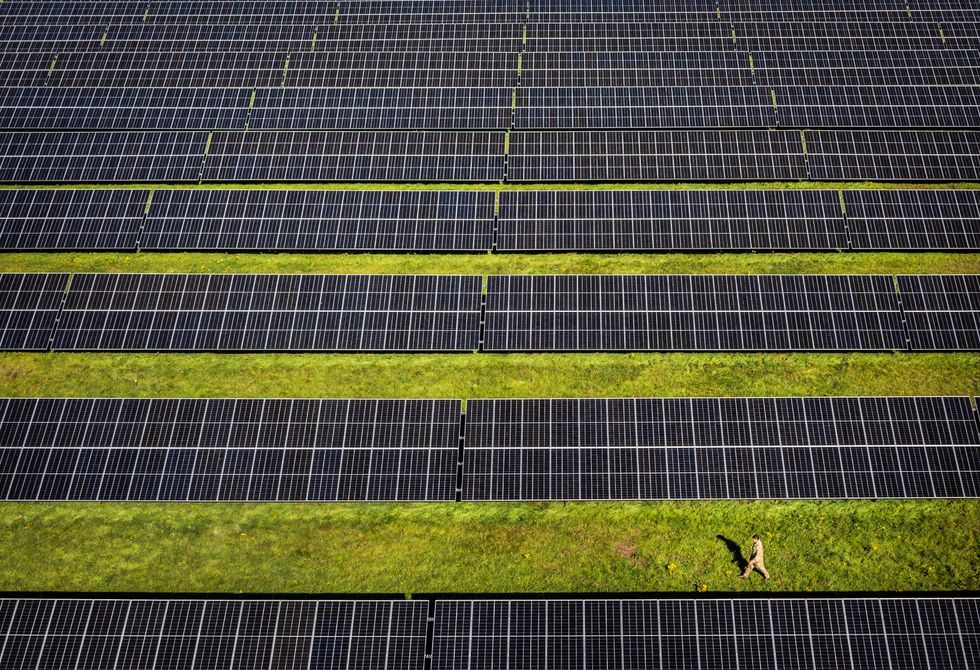 The topic of solar farms has split opinion | PA
Campaigners from the Springwell Solar Action Group said ahead of the decision: “We have tried throughout this process to provide the detail from local knowledge on how the monstrous Springwell development and subsequent developments will destroy this beautiful part of Lincolnshire.
“From the very start of this process, it has been abundantly clear to our communities that the applicant and its representatives felt that this was simply a rubberstamping exercise.
“Throughout the process, local concerns have been ignored.” A letter written on behalf of Mr Miliband said he agreed with the recommendations from planners that the scheme should go ahead.
It read: “The examining authority concluded that the proposed development satisfies the definition of low carbon infrastructure and maintained that there is an urgent need for the proposed development in order for the Government to meet its energy security and net zero targets.”
It added: “The examining authority was satisfied that there would also be clear benefits in relation to climate change as a result of the proposed development.”