

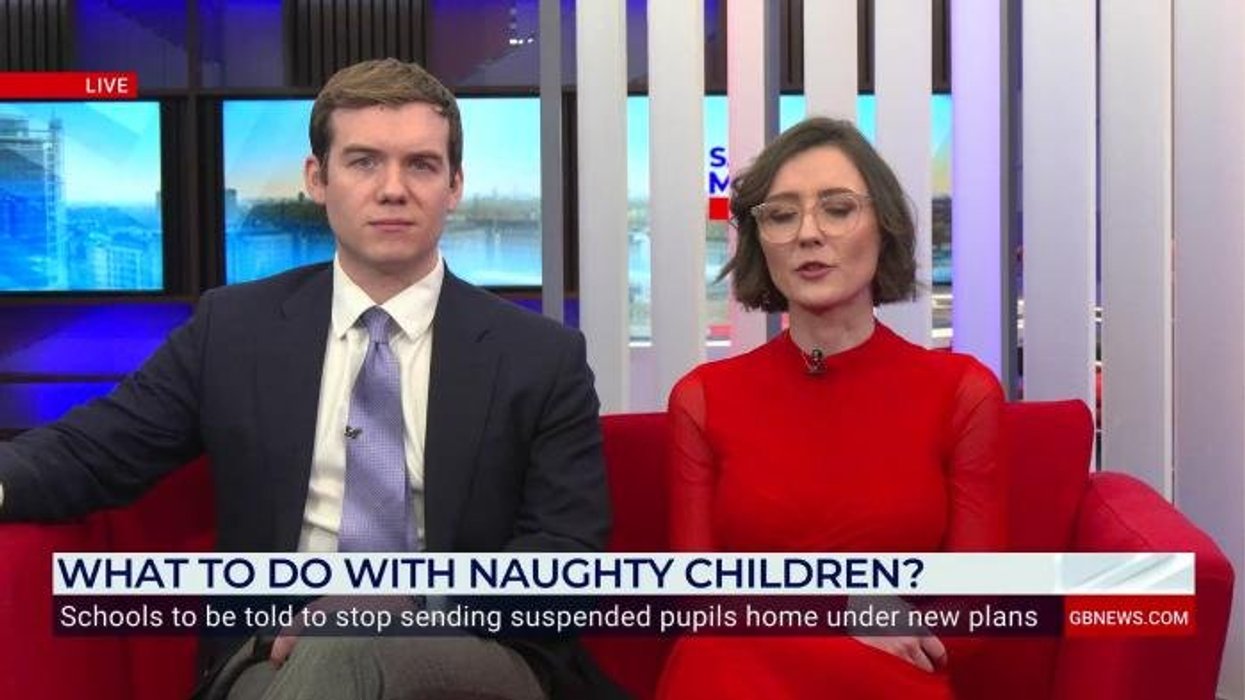



A former headteacher has delivered a scathing warning to Labour’s Bridget Phillipson over proposed changes to school suspensions, saying the plans “will cause harm.”
Chris McGovern, who spent decades in education, told GB News that suspensions were introduced to protect the majority of pupils, and reducing headteachers’ powers risks leaving classrooms out of control.
More pupils suspended for bad behaviour will now be required to stay in school under supervision, rather than being sent home, in an effort to reduce learning loss and limit time on phones and social media.
Ministers say the changes are aimed at strengthening discipline while ensuring pupils continue their education during short-term suspensions, particularly for non-violent offences.
Under the new national framework, schools will be encouraged to use structured internal suspensions, keeping pupils on-site in a separate, supervised area away from their classmates.
The approach is designed to enforce behavioural standards without cutting children off from learning.
Speaking to GB News, Mr McGovern said: "The priority has to be protecting the majority of children. You’ve got 99 per cent behaving well; you don’t want their futures destroyed by 1 per cent causing trouble.
"Headteachers need the option to send children home if necessary. That doesn’t mean children shouldn’t get support, of course they should, but the Government is interfering too much.
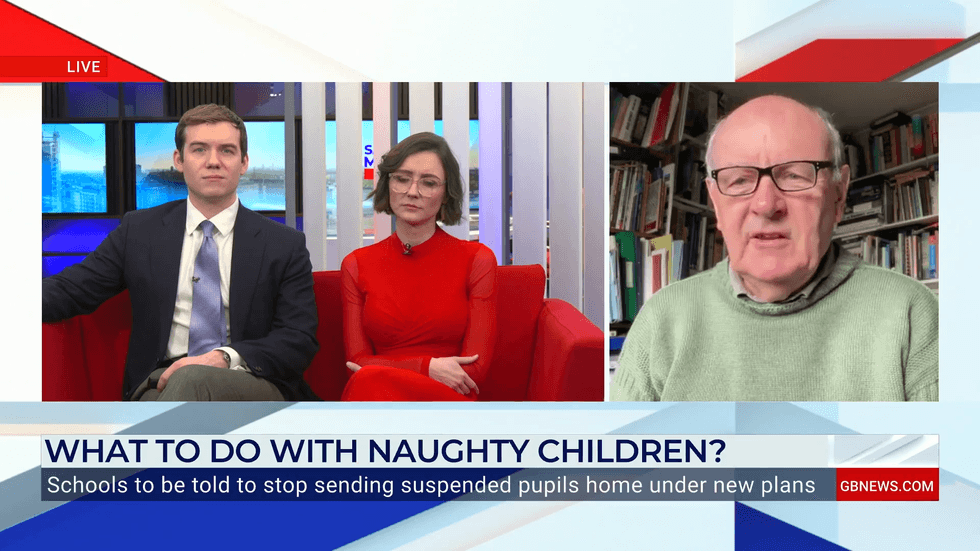
Chris McGovern, who spent decades in education, told GB News that suspensions were introduced to protect the majority of pupils
|GB NEWS
"These are individual decisions. I rarely had to suspend a child when I was headteacher, maybe once or twice for a day, but headteachers under pressure need that option.”
On the effectiveness of the proposed rules, Mr McGovern said: “The Government says suspensions will only be used for the most serious behaviour, but the biggest disruption in classrooms often comes from regular misbehaviour, not violence.
"If children are taught well and engaged, they don’t misbehave.
"The problem usually arises at 13, 14, 15 or 16, when some students are doing academic courses they aren’t suited to.
LATEST ON EDUCATION
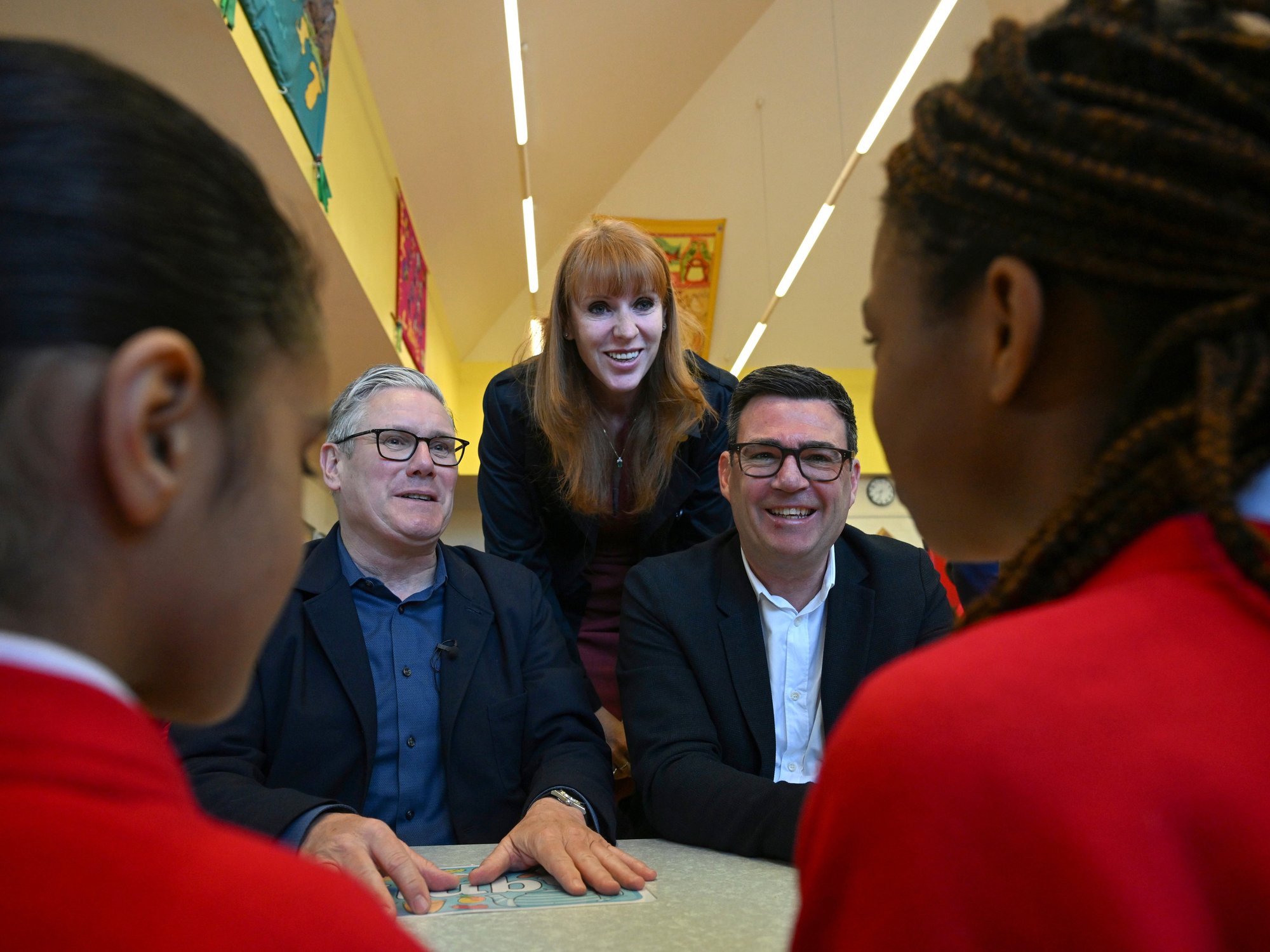
 Bridget Phillipson introduced the legislation |
 GB NEWS
"If we offered vocational courses, like plumbing, roofing, or hairdressing, suddenly those students are engaged, and problems diminish.”
He concluded: “Ultimately, headteachers must retain power over their schools.
"Otherwise, someone else will be in charge. It’s crucial the adults responsible for schools can manage behaviour effectively.
"I think Bridget Phillipson should spend a couple of weeks in a school to see how it’s done before making unilateral decisions about suspensions.”
Critics say time spent at home during exclusions does little to address behaviour or re-engage pupils with learning.
The Government says its new approach will end what it calls a contradiction where pupils are banned from phones in classrooms but effectively have unrestricted access to them all day when suspended at home.
While many schools already use internal suspensions, ministers say the system is often informal and inconsistently applied.
In some cases, pupils are isolated and given generic work that does little to support learning or help them reintegrate.
Updated guidance will set clearer expectations, requiring internal suspensions to be short, structured, and purposeful.
Pupils will complete meaningful work aligned with the curriculum, with time built in for reflection.
The approach also ensures pupils complete the lessons they would otherwise miss, reducing pressure on teachers to make up lost learning.