











The Help to Buy scheme helped wealthier Britons snap up homes in cheaper areas, according to new analysis from a leading think tank.
The Institute for Fiscal Studies (IFS) found the flagship Conservative policy disproportionately benefited higher earners, while delivering a “limited impact” on social mobility.
Despite being designed to support first-time buyers without family backing, the scheme often aided those already better placed to get on the housing ladder.
At its peak in 2014/15, around one in five first-time buyers in England used Help to Buy.
TRENDING
Stories
Videos
Your Say
However, the IFS concluded that “Help to Buy made only a limited difference to housing affordability".
The findings come amid renewed calls for the scheme to be revived.
Help to Buy consisted of two elements - a mortgage guarantee scheme enabling buyers to secure loans with a 5 per cent deposit, and an equity loan scheme offering Government-backed funding worth 20 per cent of a new-build home.
But the IFS said restricting the scheme to new-build properties significantly limited its reach, as such homes were “relatively rare in most areas".

The Help to Buy scheme was designed to support first-time buyers without family backing
|GETTY
The analysis also found higher earners were best placed to take advantage of the policy, particularly in more affordable parts of the country.
“Help to Buy policies can help first-time buyers get on the housing ladder, in theory, but can also push up house prices,” said Bee Boileau, research economist at the IFS.
The Home Builders Federation defended the scheme, saying: “The scheme was a major factor in the doubling of housing supply that occurred in the few years following its introduction, creating tens of thousands of jobs and leading to a boom in the supply of affordable housing provided through private sector cross-subsidy.”
Shadow Housing Secretary James Cleverly also backed the policy, saying it “gave many thousands of people the chance to realise the dream of homeownership.”
BRITAIN'S HOUSING CRISIS - READ MORE:

Sir James Cleverly said the scheme 'gave many thousands of people the chance to realise the dream of homeownership'
| HOUSE OF COMMONSThe equity loan scheme has now closed to new applicants in England and Scotland, with Wales set to follow in September.
The Department for Housing, Communities and Local Government said the scheme was both introduced and ended under the previous Government, adding that “an evaluation of the scheme is ongoing".
A spokesman confirmed there are currently no plans to revive it in its original form.
“While we have no current plans to introduce a new Help to Buy scheme, we have launched a comprehensive mortgage guarantee scheme that will open the door to homeownership for more young families and hardworking renters,” the spokesman said.
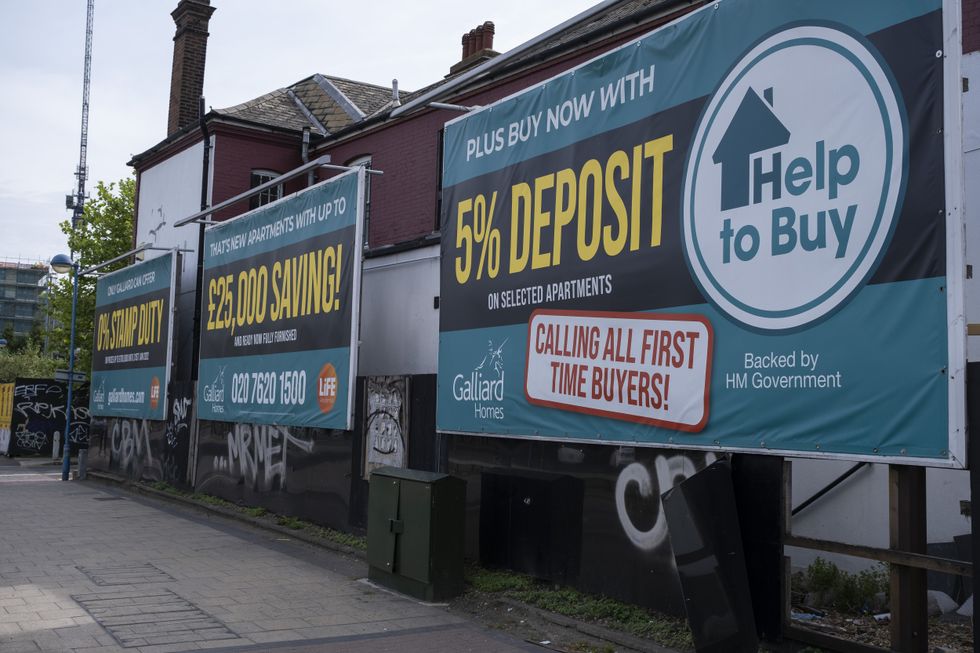
The equity loan scheme has now closed to new applicants in England and Scotland
|GETTY
The mortgage guarantee scheme has now been made permanent across the UK, while Northern Ireland never operated an equivalent equity loan programme.
Just weeks ago, research from the Skipton Group revealed the average age of a first-time buyer in England has climbed to 34.
The findings showed just six per cent of first-time buyers are now under 25 - down sharply from 25 per cent in the 1990s.
Skipton Group chief executive Stuart Haire said the data showed “the aspiration of homeownership has been pushed further out of reach for many younger adults, delaying independence and stability”.
Our Standards: The GB News Editorial Charter