








A GCSE French exam has sparked a row over alleged "woke social engineering" after students were asked to translate a listening passage referencing a "bisexual" younger sister.
Pearson Edexcel has faced criticism over the exam paper, which thousands of pupils sat this week as part of their GCSE French qualification.
The controversy centred on the listening component of the exam, which contributes a quarter of students’ final grades.
Several pupils reportedly misheard the word "bisexual" as "sexual" during the audio recording, prompting confusion and discussion after the test.
One mother said her son was left "mortified" after initially believing the recording stated "my little sister is sexual" before later concluding it likely said "bisexual".
"His friends after were discussing it and caused great debate afterwards," she said.
The parent stressed her son had no issue with discussions around sexuality in general.
"He was mortified not at the idea that the concept of bisexuality came up, he's Gen Z and a 16-year-old, he's completely at home with everybody, you do you - what he was mortified by was that it was shoehorned into a French exam," she said.
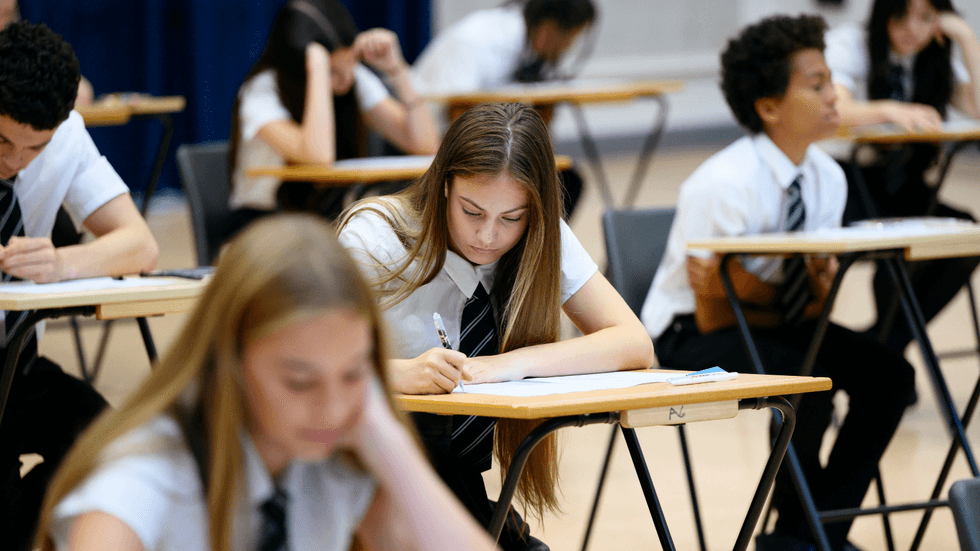
Thousands of pupils sat the paper this week as part of their GCSE French qualification
|GETTY
"It's just not appropriate in that context."
The listening passage is also said to have referenced divorced parents and an unemployed brother.
Critics argued exam boards were attempting to inject political and social messaging into language assessments traditionally focused on practical communication skills.
The mother claimed efforts to modernise exam content risked discouraging students from taking languages altogether.
EDUCATION - READ THE LATEST:
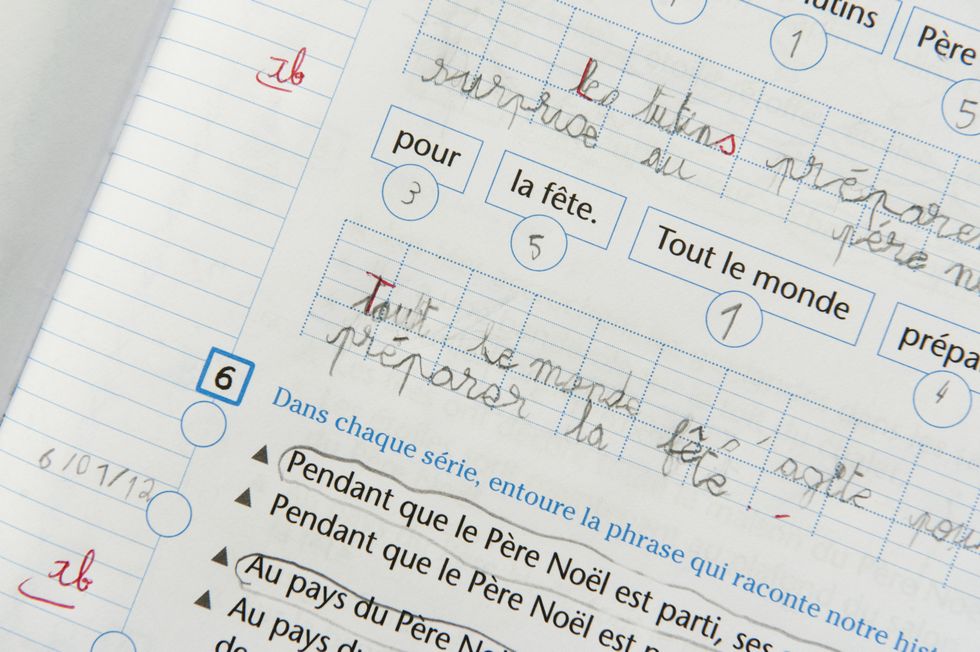
GCSE language uptake has fallen significantly since modern foreign languages stopped being compulsory
|GETTY
"[It] comes as this massive collapse in the number of kids taking modern foreign languages, this madness is just not helping."
GCSE language uptake has fallen significantly since modern foreign languages stopped being compulsory.
More than half as many pupils now take GCSE French compared with 2005.
Around 128,000 students sat the subject in England last summer, down from 147,000 in 2015.
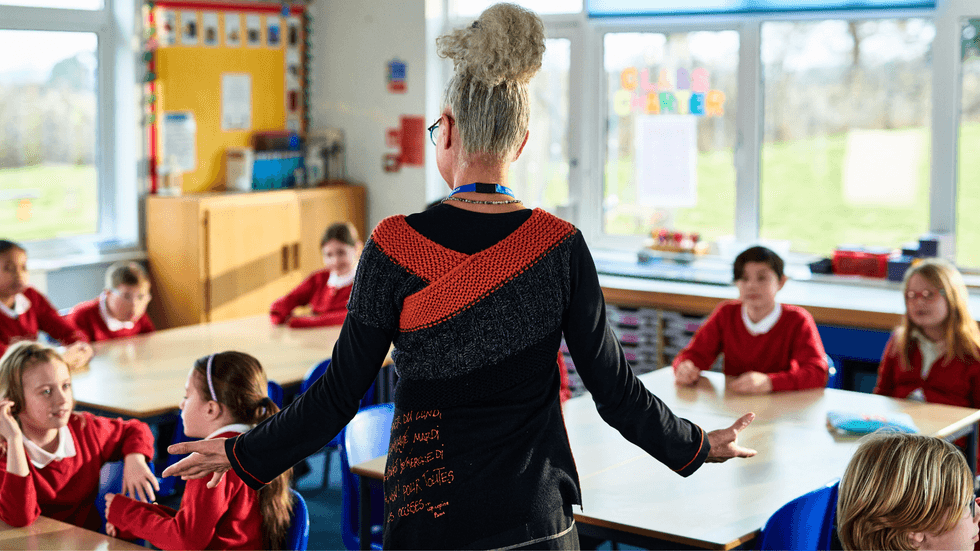
A recent Government-backed curriculum review recommended greater diversity and representation in educational materials
| GETTYA recent Government-backed curriculum review led by Professor Becky Francis also recommended greater diversity and representation in educational materials.
Students later mocked the exam online, with one teenager claiming an invigilator gave them a disapproving look after they laughed during the listening section.
The mother questioned whether themes surrounding sexuality and family breakdown belonged in GCSE language exams.
"At GCSE level, it should just be a functional thing that will enable you to have a nice weekend in Paris or to buy yourself something at a restaurant or not get lost. It just doesn't feel appropriate."
Pearson Edexcel defended the assessment, insisting exams were "developed by experienced subject matter experts and that language exams in particular are designed to represent and reflect a range of student experiences so that learners can understand and communicate effectively".
"We regularly review our content, and we will continue to do so with the French listening exam," the board added.
The controversy follows previous criticism of Pearson Edexcel over guidance allowing gender-neutral language in French GCSE exams despite the language’s grammatical gender structure.
Students may use non-binary pronouns if applied consistently throughout their work, although learning them is not mandatory.
A Pearson Edexcel spokeswoman confirmed gender-neutral pronouns are not required in French, German or Spanish GCSE assessments.
Our Standards: The GB News Editorial Charter