










A bitter dispute has erupted between Britain's fishing community and wildlife campaigners over ambitious plans to reintroduce the nation's largest-ever bird to its wetlands.
The National Federation of Fishermen's Organisations has voiced strong opposition to proposals by conservation company Restore, which is exploring whether the Dalmatian pelican could once again roam British marshes and waterways.
Anglers have expressed fears that bringing back the mammoth bird could significantly deplete fish populations and threaten native species already under pressure.
Restore is currently conducting feasibility studies examining potential sites across the Norfolk and Suffolk Broads, Essex marshes and Somerset Levels.
TRENDING
Stories
Videos
Your Say
The conservation group maintains that any reintroduction scheme would undergo thorough ecological scrutiny before proceeding.
The Dalmatian pelican once thrived across Britain thousands of years ago before disappearing during the medieval era.
Fossil evidence suggests these magnificent creatures were particularly abundant in Somerset, Norfolk, Cambridgeshire, Gloucestershire and Yorkshire.
The species vanished due to wetland drainage, human interference, and hunting for food.
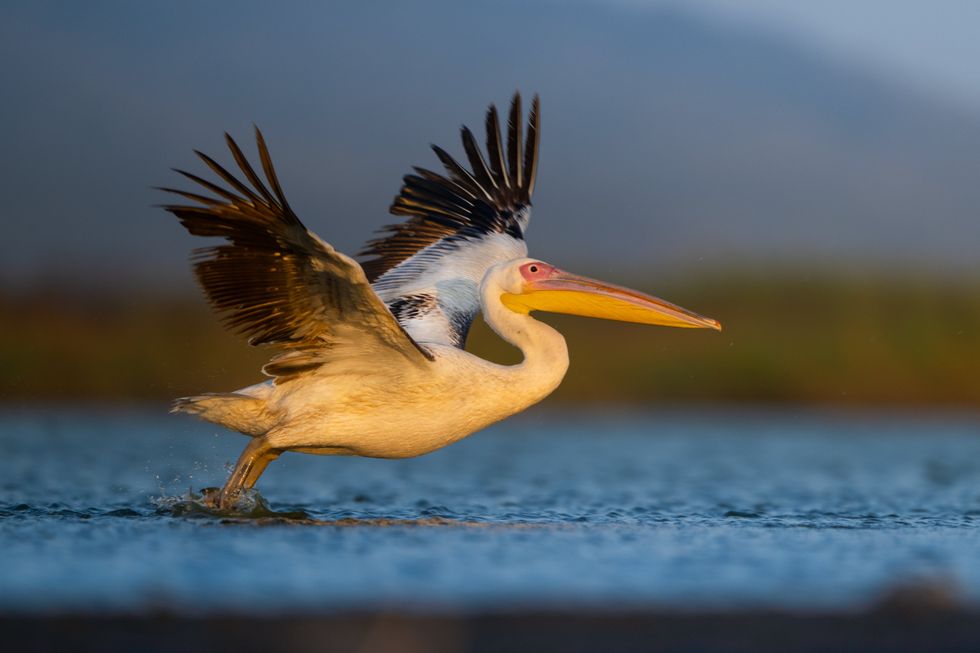
A bitter dispute has erupted between Britain's fishing community and wildlife campaigners over ambitious plans to reintroduce the nation's largest-ever bird to its wetlands
|GETTY
With a wingspan reaching three metres and a daily fish consumption exceeding one kilogram, it ranks among Europe's most impressive flying birds.
The global population currently stands at between 10,000 and 20,000, with the largest concentration found at Lake Mikri Prespa in Greece, alongside populations in central Asia and along China's eastern coastline.
For any reintroduction to succeed, the birds would require interconnected healthy wetlands, plentiful fish stocks and appropriate nesting habitats.
Mike Cohen, chief executive of the NFFO, told The Telegraph: "It is unrealistic even hubristic to assume that a new apex predator could be dropped onto the existing food web without impacting the local populations of other species that it will hunt or compete with."
He warned that releasing these birds would likely prompt demands for restricted access to nesting areas and fishing grounds.
LATEST DEVELOPMENTS
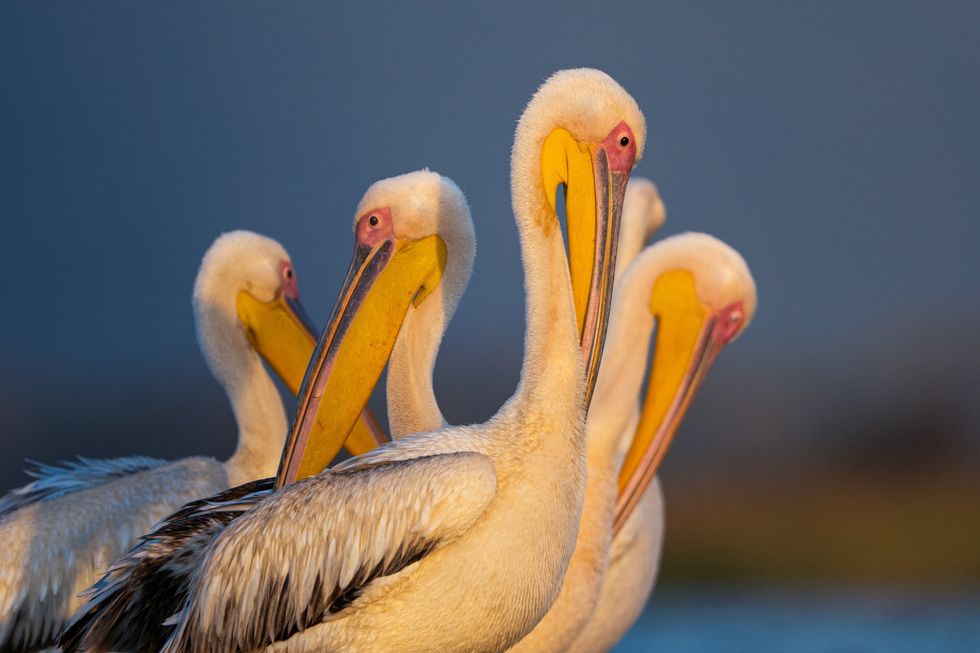
The global population of Dalmatian pelicans currently stands at between 10,000 and 20,000
|GETTY
"While I do not for a moment dispute the idea that seabirds are important, so are people," Mr Cohen added, citing concerns about food security and the economic viability of coastal communities.
Roger Seddon of the Countryside Alliance argued that conservation resources would be better directed towards species currently struggling in Britain.
"These pelicans have been extinct for so long in Britain that Julius Caesar would have struggled to find one here back in 55 BC," he said, suggesting efforts should instead target declining populations such as Atlantic salmon and stone curlew.
Restore has firmly rejected suggestions that the pelicans would harm angling interests.
A spokesman for the organisation said: "There is no strong evidence from Europe that [Dalmatian pelicans] systematically target prized angling species such as carp, nor that they pose a material threat to managed fish farms."
The company emphasised that the birds predominantly consume small to medium-sized coarse fish, which, it says, hold little value for fishermen.
Restore pointed to decades of research by leading European specialists who have observed Dalmatian pelicans coexisting successfully with commercial fishing operations and angling communities across their range.
The spokesman stressed that no final decisions have been taken regarding reintroduction.
"Any proposal would be subject to rigorous ecological assessment and oversight," the organisation confirmed.
More From GB News