









British taxpayers could be forced to foot a £300million bill from a company whose coalmine project was blocked in an "outrage against common sense".
The High Court struck down planning approval for West Cumbria Mining's Woodhouse colliery in 2024.
The Cumbria site would have been Britain's first new deep coalmine in decades.
Following the court ruling, the mine's owners launched legal action against the Government.
West Cumbria Mining Holdings and Woodhouse Investment filed an investor-state dispute settlement case, the first ISDS claim ever brought against the UK.
Such claims allow foreign investors to covertly sue Governments when their investments are threatened, in what are often dubbed "corporate courts".
Woodhouse Investment's Singapore base enables the claim through a bilateral treaty between the UK and Singapore.
Documents obtained by The Times and Land and Climate Review show the claim ranges from £150million to £300million.
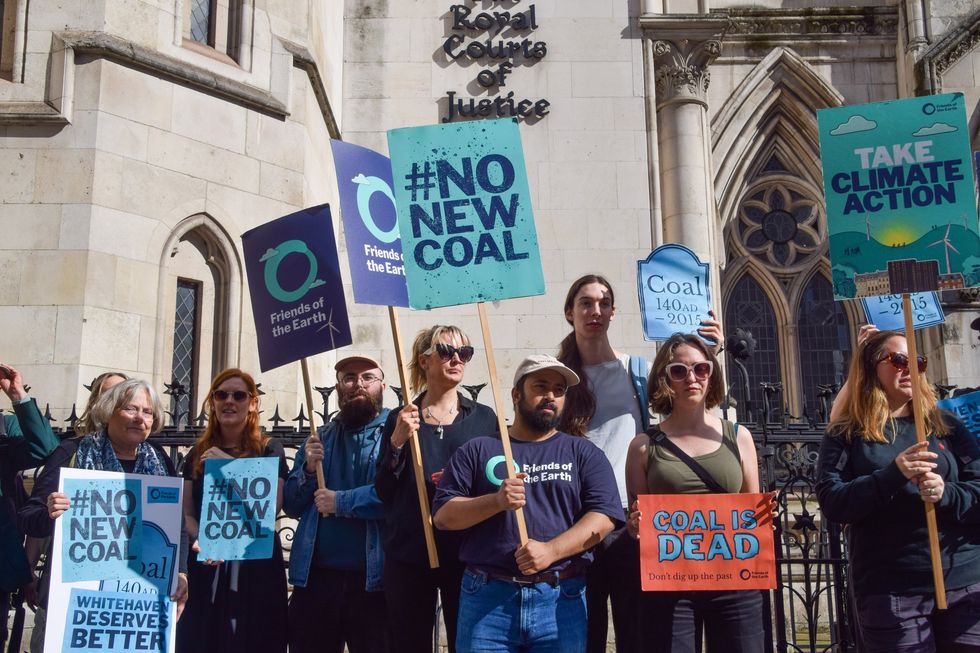
Furious protesters condemned the Cumbria coalmine
|GETTY
The hefty sum dwarfs the £50million which was actually invested in the project.
EMR Capital, headquartered in the Cayman Islands, is the ultimate parent company of both Woodhouse Investment and West Cumbria Mining Holdings.
The Government had already splashed £149,000 on initial proceedings by December.
But, now, litigation costs could reach an eye-watering £24million, which taxpayers would have to cover if the Government loses the case.
LATEST FROM THE NORTH WEST:
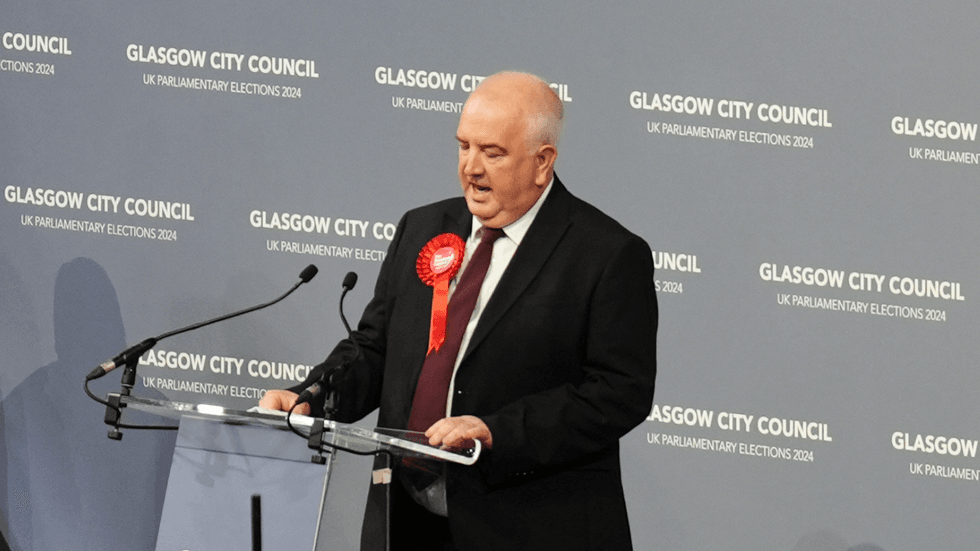
Martin Rhodes, the Labour MP for Glasgow North, condemned the case
|PA
Tribunal assistant fees can reach £671 each day during hearings alone.
Martin Rhodes, the Labour MP for Glasgow North, said: "The West Cumbria coalmine ISDS case is an outrage against common sense.
"Even if the Government wins, and it has strong grounds to do so, defending this claim will cost hundreds of thousands, if not millions, of pounds and take years to resolve."
The Scottish MP added: "This was a project that never held planning permission or a coal licence, and which faced serious questions about its financial viability.
"Taxpayers should not be left footing the bill for something that almost certainly would never have been built."
The High Court rejected the mine's planning approval in 2024, ruling it incompatible with UK climate change objectives, as the developer insisted the project would be "net zero".
The Coal Authority subsequently denied the company's mining licence, arguing that it was financially unviable.
Lukas Schaugg, a policy adviser at the International Institute for Sustainable Development, said: "In 2026, no coal investor should be able to demand £300million from British taxpayers for a mine the UK was right not to authorise."