










Long-stable cancer patients have suffered relapses after receiving the Covid booster jab, MPs were told.
They were urged to investigate any possible connection between the MRNA vaccines and the 'aggressive' relapses.
Professor Angus Dalgleish, one of the UK’s leading skin cancer specialists, made the claims in testimony to the All-Party Parliamentary Group on Pandemic Response and Recovery.
His testimony is expected to put fresh pressure on regulators and ministers to decide whether further large-scale studies are needed to assess any potential long-term risks of the Covid jabs.
TRENDING
Stories
Videos
Your Say
In a stark warning to MPs, Prof Dalgleish said: “In my opinion, this is no longer a hypothesis. The data are in. The mechanisms are understood. The signal is screaming. It is time to act.”
He told the group his concerns, first raised in early 2022, are no longer isolated observations but are now backed by international research.
“The only common factor we could find was the booster. These patients had been stable for three to 18 years. The relapses required new treatment.”
Professor Dalgleish, former foundation chair of oncology at St George’s, University of London, stressed that the pattern emerged suddenly among his own skin cancer patients. And he cited emerging data from around the world showing similar evidence.
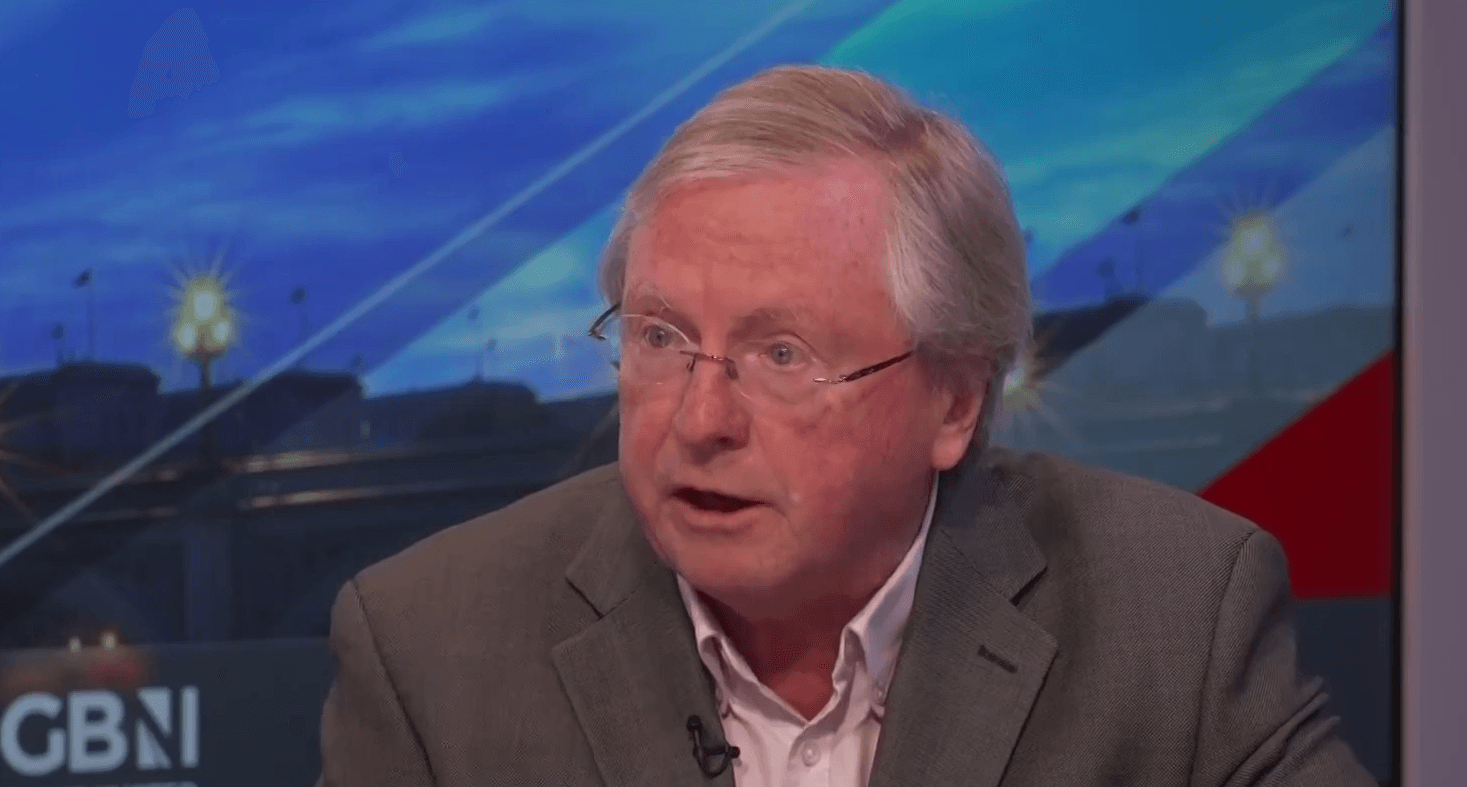
Professor Dalgleish stressed that the pattern emerged suddenly among his own skin cancer patients
| GB NEWSHe said six long-term stable stage-4 melanoma patients all relapsed within weeks of receiving a Covid booster dose in late 2021 and early 2022.
He told MPs: “We conducted laboratory testing which showed the booster, and I must emphasise that it is the booster or third dose onwards, not the original two doses, which rarely produce detectable signals, that changed everything.”
The distinguished oncologist - who specialises in cancer, immunity and viruses - said the key issue appeared to be damage to the immune system’s cancer-fighting response.
He said that after the booster, he discovered key immune cells became exhausted and suppressed - weakening the body’s natural ability to keep cancers like melanoma under control.
LATEST DEVELOPMENTS:
The doctor said six long-term stable stage-4 melanoma patients all relapsed within weeks of receiving a Covid booster dose in late 2021 and early 2022
| PA
“We observed that following the booster, (immune suppression) profound T-cell exhaustion and suppression occurred, the very immune mechanism that keeps melanoma and other cancers in check.”
He added that repeated warnings to regulators went largely unanswered.
“Together with colleagues, we wrote several open letters to the Medicines and Healthcare products Regulatory Agency (MHRA) as early as 2021 to raise concerns. Replies, if we got them, made it clear that they were not taking our concerns seriously.”
APPG chair Esther McVey said the evidence presented was among the most alarming the group had heard.
“Our Group has heard some shocking evidence over the years, but I am genuinely taken aback hearing Professor Dalgleish’s stark message: long-stable cancer patients appear to be relapsing aggressively after mRNA boosters.”
Ms McVey, former cabinet minister and Conservative MP for Tatton, added: “His clinical observations seem to be supported by independent international studies. The apparently linear progression, where the more boosters a person has, the greater the risk, is extremely worrying.”
The warnings were reinforced by co-chair Graham Stringer MP, a former member of the House of Commons Science and Technology Committee, who called for urgent scrutiny by regulators.
The Labour MP for Blackley and Middleton South said: “Professor Dalgleish, with his extensive scientific and medical background, is uniquely suited to understand the clinical signals. His concerns surely warrant urgent consideration by those in government advisory roles and by the MHRA.”
He also added a stark warning about public trust: “Governments must follow the data, not suppress it.”
Professor Dalgleish told MPs the issue had widened beyond melanoma, citing reports from other clinicians.
A North East colorectal surgeon, Mr James Royle, reported what he described as a dramatic shift in cancer patterns with younger patients presenting with late-stage, aggressive disease.
According to his evidence, cancers that were once typically diagnosed early in older patients are now appearing at advanced stages in people in their 20s and 30s, alongside increased clotting and inflammation.
Such biological changes, including chronic inflammation and micro-clotting, are known to contribute to cancer spread.
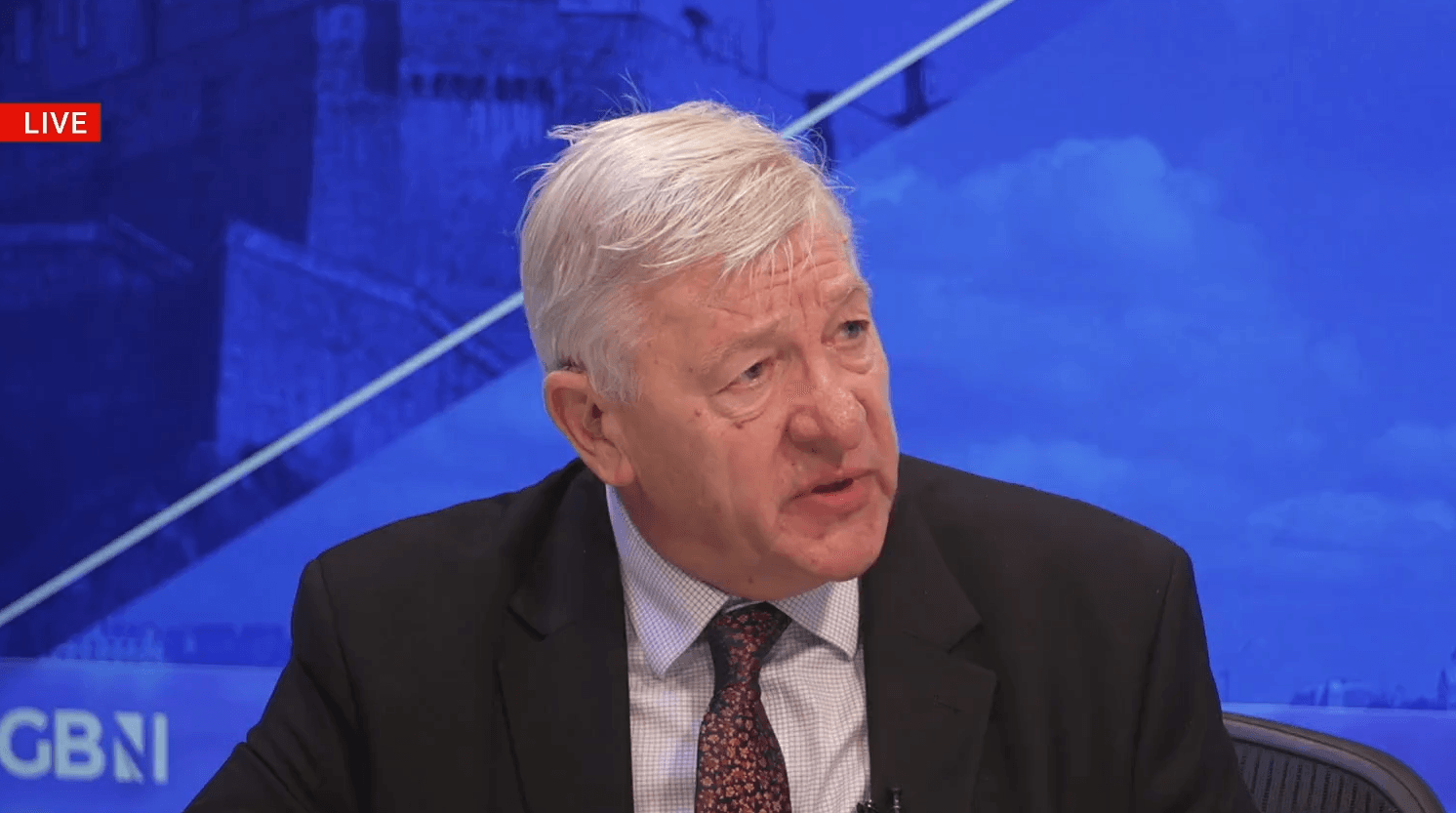
The warnings were reinforced by Graham Stringer MP, a former member of the House of Commons Science and Technology Committee, who called for urgent scrutiny by regulators
| GB NewsProfessor Dalgleish said similar patterns were now being reported internationally.
“We have seen similar patterns emerge globally and a number of studies have made it plain.”
He pointed to research including a major Spanish multi-hospital study examining immune system changes after booster doses, as well as population data analyses from, South Korea, and northern Italy.
“Analyses of population data… have shown cancer incidence rising sharply and linearly after the third, fourth and fifth (Covid) mRNA doses, affecting not only melanoma and colorectal cancer but a broad-spectrum including breast, pancreas, gallbladder, glioma and others.”
He also claimed that attempts to investigate such findings had faced resistance.
“Instead of the drug regulators doing their jobs in response, the studies have been ignored or faced intense attempts at retraction and interference.”
In his evidence, Professor Dalgleish set out several possible ways this could happen, including weakening the immune system and affecting how the body fights infection and disease.
He told MPs that repeated doses could wear out key immune cells, making it harder for the body to spot and destroy cancer cells.
He also warned about possible genetic effects, saying the mRNA might insert itself into human DNA at random points, potentially switching on cancer-causing genes or turning off the body’s natural defences against tumours.
Another concern he raised was that Pfizer vaccines may contain small pieces of a DNA sequence used in lab research. He said that these fragments might interfere with normal cell controls - for example, by helping switch on genes linked to cancer.
Mr Stringer highlighted what he described as a key gap in safety testing.
“We already know that carcinogenicity or genotoxicity studies were not conducted for the Pfizer mRNA vaccine before its emergency authorisation in December 2020, so now would be a very good time to carry out long overdue independent post authorisation studies, particularly into potential causal links to cancer.”
He added: “The regulators and the government should be fully investigating mRNA risks. Instead, we are seeing huge investment into mRNA technology as the answer to many of our public health problems.”
The claims are likely to spark significant debate within the medical and scientific community, particularly given the global rollout of mRNA vaccines during the pandemic.
The APPG session, which does not itself establish a causal link with cancer and Covid boosters, is expected to intensify calls for further independent investigation into the safety of the jabs.
Dr Alison Cave, MHRA Chief Safety Officer, said: “Over 90 per cent of people aged 12 years and over in the UK have received a COVID-19 vaccine. Vaccines are the best way to protect people from COVID-19 and have already saved millions of lives.
“As part of our ongoing rigorous safety monitoring of COVID-19 vaccines, we closely review the Yellow Card reports submitted to us in the UK alongside safety data from other UK and international sources.
“We also work closely with our UK public health partners to evaluate data on the safety and effectiveness of the COVID-19 vaccines.
“Given the prevalence of cancer in the UK population and the vast numbers of people who have received COVID-19 vaccines, the numbers of reports of cancer reported to MHRA in association with the COVID vaccines are very small.
“It is important to note that the currently available evidence from clinical trials and thorough post-approval safety monitoring does not support an association between COVID-19 vaccination and an increased risk of cancer.
“Peer-reviewed, population-level studies conducted in the UK, France, Denmark, Finland, Iceland, Norway and Sweden, which together included millions of people, found no evidence of increased rates of cancer.
“No international regulators have concluded that there is any causal link between COVID-19 vaccination and increased rates of cancer.
“As with all vaccines and medicines, the safety of COVID-19 vaccines is continuously monitored, and we continue to keep emerging information under review.”