







Labour's attempt to build closer ties with the European Union could spell trouble, as a hypothetical deal to rejoin the bloc has been described as the "worst deal imaginable", a new report has found.
It comes after former health secretary Wes Streeting said the country should rejoin as part of his pitch to lead the Labour Party, with frontrunner candidate Andy Burnham confirming he wouldn't "re-run Brexit arguments".
Marine Le Pen, Deputy of the French National Assembly, has signalled France would block any British bid to return to the European Union, according to reports that emerged last week.
However, the threat represents only one of a flurry of hurdles facing those who advocate a betrayal of the Brexit referendum.
An exclusive report from think tank Facts4EU, in collaboration with The Campaign for an Independent Britain (CIBUK) and Stand for Our Sovereignty, reveals the mountain of problems from initial resistance to legal, economic and political challenges.
Every single EU member state possesses the power to veto a country's application, with the EU's own rules containing no special "rejoin" pathway for former members.
EU Commission President Ursula von der Leyen stated: "Each country that applies to join the EU must fulfil the same strict requirements, and follow the same rigorous process to become a Member State."
This means Britain would need to secure unanimous backing from all existing members before any return could proceed.
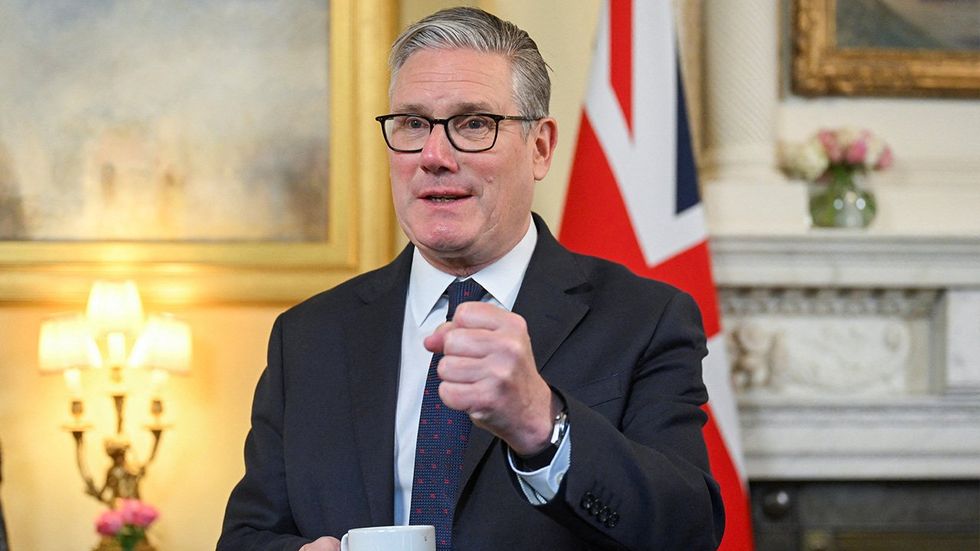
Keir Starmer's Labour are dead set on building closer ties with the EU, with some members advocating we officially rejoin the bloc
| PAThe procedure of rejoining demands any applicant submit a membership request to the Council of the EU, with the Commission then making recommendations on whether candidate status should be granted.
Crucially, unanimous agreement from all member states is required, even at this initial stage.
Following this, the prospective member must implement EU laws and standards, known as the acquis, while the Commission monitors progress on reforms.
Should the Commission eventually deem the candidate ready, an accession treaty is then drawn up.
This document then requires approval from the European Commission, European Council and European Parliament before all member states must sign and ratify it.
LATEST DEVELOPMENTS
This multi-stage process creates opportunities for obstruction at any point.
A hostile nation could theoretically allow Britain to endure years of negotiations, before refusing to ratify at the final moment.
If Britain were to make it through the minefield of reinstating membership in the EU, the deal that awaits wouldn't be worth the trouble, according to those who oppose rejoining.
Lord John Redwood, former Secretary of State, has issued stark warnings about the financial implications of EU membership for Britain.
He cautioned annual contributions could reach £30billion, reflecting the substantial growth in the EU budget since Brexit.
The rebate which previously reduced Britain's bill by a quarter would not be available to a returning member.
Lord Redwood told GB News: "If we joined the EU, we would need to adopt their fiscal rules which would make us cut the deficit. This government would want higher taxes to do that."
He also highlighted Britain would assume shared responsibility for EU borrowing, currently standing at a scorching €800billion.
The UK's portion of this debt would amount to some £220billion, adding to existing national liabilities.
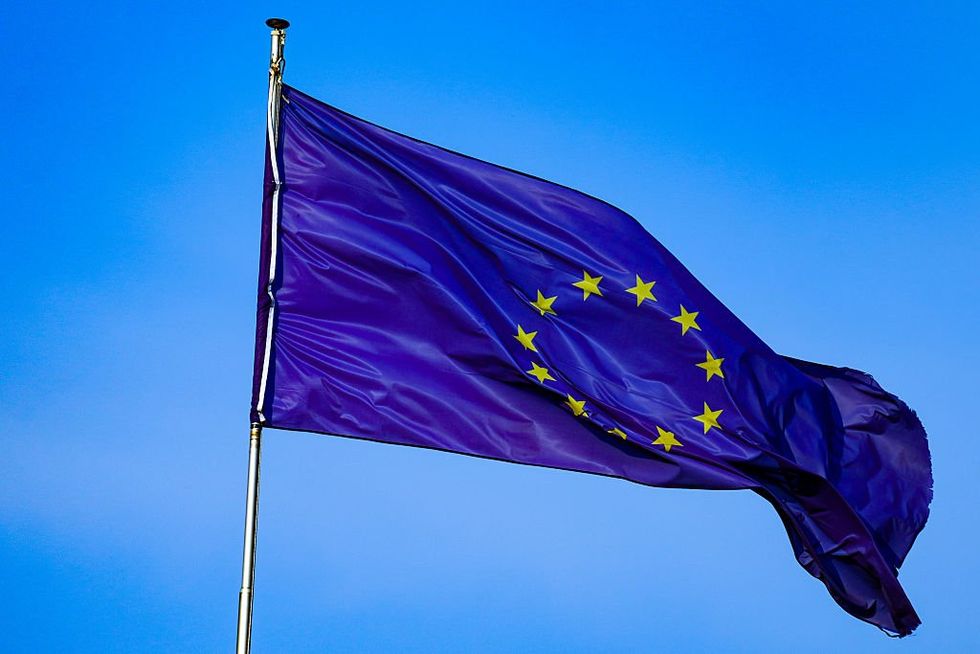
The UK's portion of EU debt would amount to some £220billion, adding to existing national liabilities
|GETTY
Lord Redwood further warned rejoining would strip Britain of the opt-out from the Schengen area it previously enjoyed - a border-free travel zone encompassing 29 European countries that benefit from a lack of internal border controls.
With the UK missing out on this privilege, Government would be compelled to accept unrestricted movement to the UK from across the EU.
Lord Redwood said: "We would have to adopt all the new EU laws of the last five years which we had no say on, before being allowed to join.
"These would damage our innovations in agriculture, pharmaceuticals, digital and other key areas."
The former minister noted rejoining would also see Britain face mandatory adoption of the Euro, with no prospect of retaining sterling as the national currency.
Additionally, 80 per cent of tariff revenue would flow to Brussels, alongside all plastics tax income.
Lord Redwood described the prospect of new membership as "ruinously expensive" given these combined obligations.