








An iconic seaside town hotel might reveal “hidden historic detail” during a significant renovation project it is due to undergo.
Forshaws Hotel in Blackpool, a prominent Grade II-listed building, has been given the go-ahead for massive refurbishment.
The 90-bedroom establishment boasts a retail area on its ground-floor, including the Caribbean restaurant chain, Turtle Bay and a Starbucks.
Forshaws now has been given the green light to renovate its upper stories extensively.
Due to the hotel being a listed building, special consent was required from Blackpool Council’s planning office, in order to protect its historical assets.
Previously operating as The Clifton Hotel, the establishment is on the corner of Talbot Road and the Promenade in Talbot Square, before being rebranded as a Travelodge in the mid 2000s.
The establishment has a rich history as it is one of the four oldest inns in Blackpool, dating from the 1780s, originally called Forshaws.
By 1830, it was known as Nickson’s Hotel and then came under new management in 1864, to be known as The Clifton Hotel.
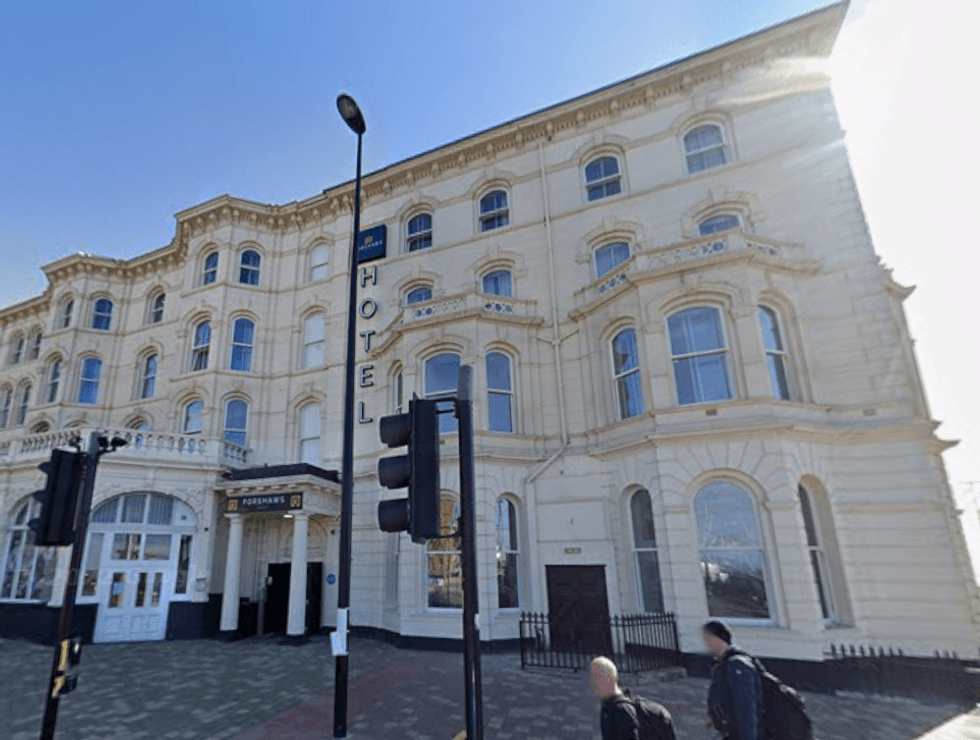
The hotel in Blackpool has gone through various renovations since 1916
|GOOGLE STREET VIEW
The hotel was first refurbished during the First World War in 1916, despite the country being short on materials and labour at that time.
Fast forward over 100 years and the iconic seaside hotel has undergone refurbishments and extensions, and most notably, renamed back to its original title, Forshaws.
The proposals include cosmetic upgrades, demolition of internal walls within the basement, ground floor and first floor, as well as two new staircases within the basement and ground floor.
It also includes a new mechanical, electrical and plumbing system using existing service routes, LancsLive has reported.
LATEST DEVELOPMENTS
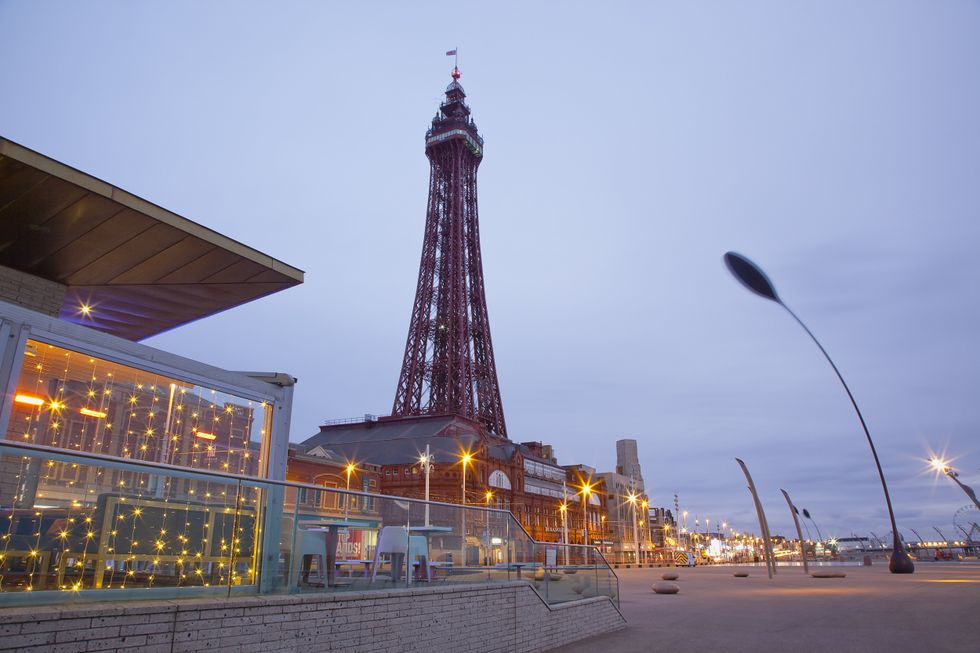
Forshaws is located on Blackpool's famous promenade
|GETTY
Blackpool Council’s planning officer made note of a comment from Blackpool Civic Trust, which stated: “The works appear to be relatively minor.
“The Trust would recommend that, as walls are broken for doorways, photos should be taken to record if any decorative features are disturbed or revealed.
“In addition, all fabric should be repaired and redecorated using appropriate materials.”
A heritage, design and access statement said: “The hotel is a Grade II listed building situated within the Blackpool Town Centre Conservation Area.
“Whilst the external appearance remains largely consistent with its original architectural form, it is evident that substantial internal alterations have been undertaken over time.
“As a result, very little of the building’s historic fabric survives within the existing hotel.
“As this listed building consent application relates solely to internal alterations, it is anticipated that the proposals are uncontentious.”
A report by the planning officer said: “The proposal would affect mainly non-historic fabric.
“The limited areas where historic fabric would be affected, namely the new internal staircase to the basement with doorways and a new external door to a staircase at first floor, would lead to less than substantial harm to the significance of the designated listed building as a heritage asset.
“The proposals would have public benefits which would outweigh the harm identified, including securing its optimum viable use as a hotel in the heart of the Town Centre Conservation Area in Talbot Square.
“However, the comments of the Civic Trust are noted, although it is accepted that it is difficult to know if any historic fabric may be discovered as the building is altered.
“It is noted that this extensive history of alteration, particularly to the building’s interior, has diminished its heritage value, as minimal historic fabric now remains within the existing hotel.
“By securing the ongoing viable use of the property as a hotel, the proposals contribute positively to the long-term conservation of the listed building and its continued role within the town centre.”
The hotel’s exterior is largely unchanged, but most of its historic interior has already been lost, so the proposed works mainly affect non-historic fabric and are unlikely to be controversial.
However, there is a possibility original, historic fabric will be revealed.
The planning officer has said original material might be affected, but this would only cause limited harm and is outweighed by the public benefit of keeping the building in viable use as a town-centre hotel.
Our Standards: The GB News Editorial Charter