











A bid has been launched to have the Birmingham balti recognised as having special cultural heritage status.
Andy Munro, a 75-year-old semi-retired civil servant, has devoted the past ten years to safeguarding this distinctive dish for posterity.
As secretary of the Association for the Protection of the Authentic Balti, Mr Munro is seeking recognition comparable to that enjoyed by the Melton Mowbray pork pie or Arbroath smokie.
"My mission is to ensure that when people come to Birmingham, they don't go into a restaurant and think, 'What's the fuss about? That's just like every other curry I've ever had," he told The Sunday Times.
TRENDING
Stories
Videos
Your Say
The application process is expected to take approximately six months.
Balti first emerged in 1975 in a neighbourhood of the second city that was home primarily to Irish and Pakistani communities.
It would become known as the Balti Triangle, with 30 establishments serving the dish in the 1990s.
However, the area has been struck by a decline in recent years, with only a handful of restaurants remaining.
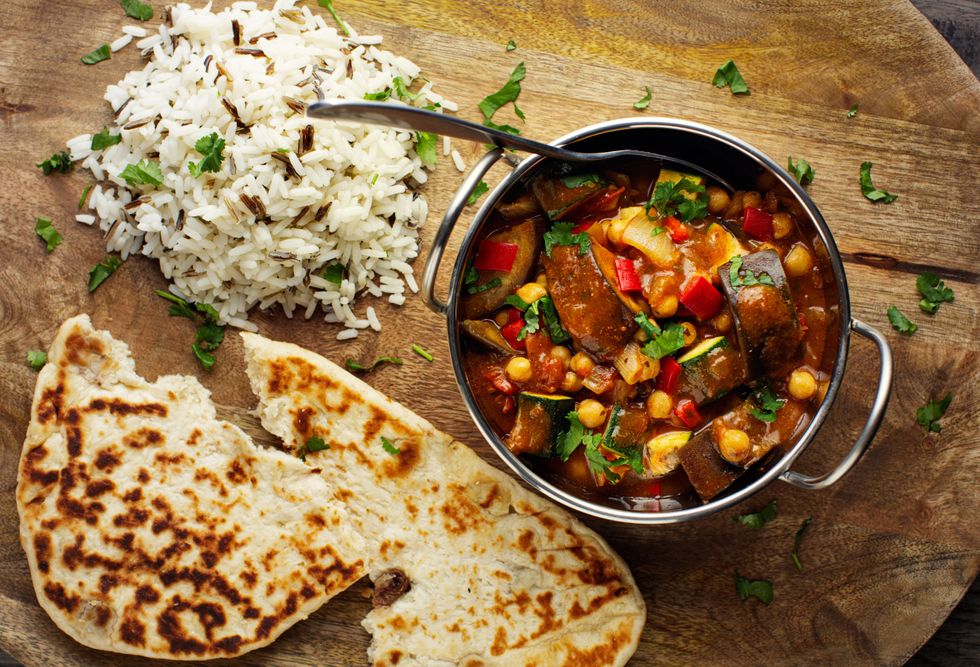
A bid has been lodged with Unesco to grant Birmingham's balti special cultural heritage status
|GETTY
Pub closures have removed a crucial source of late-night custom, as drinkers once spilled out seeking affordable, flavourful food after last orders.
Rising rents have squeezed margins, while successive waves of immigration have introduced Lebanese and North African cuisine to compete for diners along Ladypool Road.
The Triangle has also suffered from its own popularity: versions of the dish now appear nationwide, although Munro and Shababs owner Zaf Hussain question whether many are genuinely authentic.
Generational shifts pose another challenge, with younger Brummies viewing the balti as their parents' food rather than an exciting option.
LATEST DEVELOPMENTS

Balti first emerged in 1975 in a neighbourhood of the second city that was home primarily to Irish and Pakistani communities
|GETTY
"There are loads of burger places around here now," Mr Munro observed.
Restaurant closures have also followed owners' retirements, as their children pursue university education and professional careers rather than taking over family businesses.
The civil servant hopes the heritage designation could elevate the standing of balti restaurants among younger generations.
"I'd like to think it will encourage people to stay in the restaurants and maybe open one or two more," he said.
Mr Munro personally inspects kitchens to verify that establishments claiming to serve baltis are following correct methods.
He has identified around ten genuine balti restaurants across Birmingham and the Black Country, with perhaps another ten yet to be confirmed.
An authentic version requires preparation over an intensely hot flame using a cast-iron bowl – the term "balti" translates to "bucket" in Hindi.
The dish must be brought to the table in the same vessel it was cooked in, ensuring those prized caramelised edges remain intact. Vegetable oil replaces ghee in the frying process and the meat is always served boneless.
Our Standards: The GB News Editorial Charter
More From GB News