











Britain's armed forces have been compelled to fit specialised "bat disco" lighting at the nation's largest military training ground, sparking fresh concerns about environmental regulations hampering defence preparedness as global tensions escalate.
The peculiar illumination system at Salisbury Plain Training Area in Wiltshire exists to help bats flee safely when troops conduct nocturnal exercises at the taxpayer-funded Ministry of Defence facility.
This installation at Copehill Down, a mock settlement used for urban combat preparation, is said to have caused delays to essential upgrade work completed last year.
The scheme joins a growing list of costly bat conservation measures incorporated into public projects despite uncertain evidence they actually work, including a £100million tunnel constructed above HS2 tracks and £350,000 wire bridges spanning the A11 in East Anglia.
TRENDING
Stories
Videos
Your Say
Copehill Down sits between the villages of Shrewton, Chitterne and Tilshead, constructed in 1987 to resemble a German settlement complete with houses, a church, petrol station, school, bar and shops.
The site represents Western Europe's biggest urban warfare training facility of its type, with the MoD expanding it over decades.
A £500,000 enhancement in 2015 introduced a close-quarters "shoot house" alongside fresh alleyways, tunnels, compounds and elevated walkways.
Recent modernisation efforts aimed to add cutting-edge lighting and audio effects replicating realistic scenarios such as bustling pubs or schools. A defence industry source told The Telegraph the bat-protection requirements were holding up this upgrade work.
The MoD confirmed the lighting was necessary under bat-protection legislation, linked to potential impacts on the creatures and their roosts within the facility's mock structures.
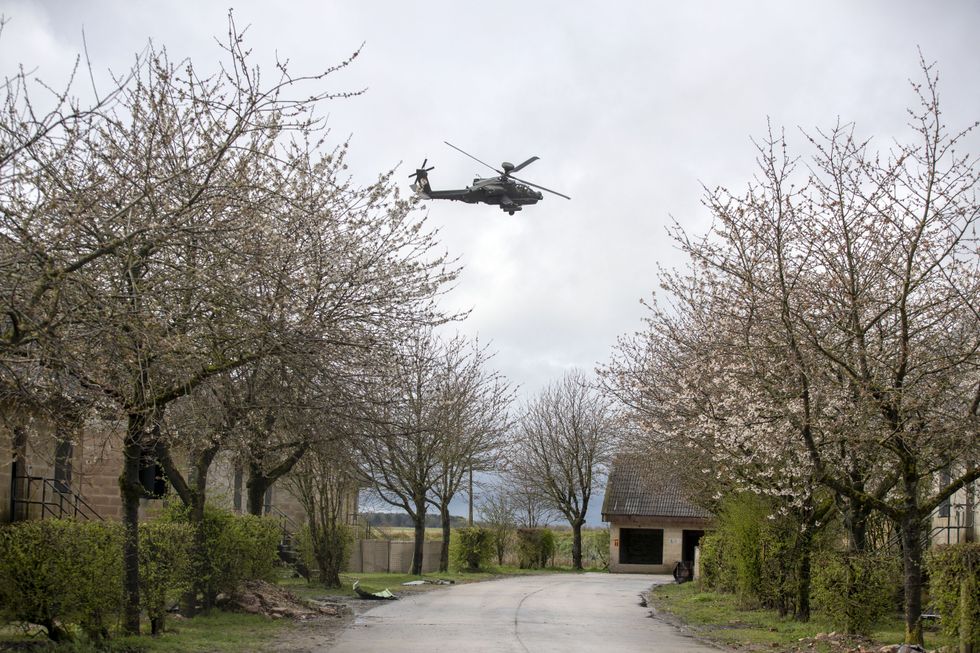
The 'bat disco' has been installed at the Salisbury Plain Training Area (pictured)
|PA
John O'Connell, the chief executive of the TaxPayers' Alliance, condemned the approach.
He told GB News: "When Britain's Armed Forces are being told to prepare for serious global threats, the last thing taxpayers expect is defence chiefs installing what amounts to a 'bat disco' at a frontline training facility."
He argued defence spending ought to concentrate entirely on readiness, resilience and capability, warning that taxpayers fund the MoD to protect the nation rather than "gold-plate compliance schemes that risk undermining operational effectiveness."
Mr O'Connell urged ministers to reconsider nature regulations if they delay or complicate essential military training, suggesting repeal where necessary.
Independent defence analyst Francis Tusa was equally scathing, calling the measures "complete overkill" and noting that Copehill Down has operated for over three decades with weapons fire, explosives and thunder-flashes without driving away the bats.
READ MORE ON BRITAIN'S MILITARY:
Yet the bat disco represents merely one strand of the MoD's expanding environmental portfolio.
In Cornwall, the Defence Infrastructure Organisation has partnered with Cornwall Wildlife Trust to deploy Army personnel on sand dune restoration at Penhale Training Area, a Special Area of Conservation.
Soldiers from 232 Port Squadron have spent two consecutive years operating 16-tonne military diggers to clear overgrown scrub and expose bare sand, ostensibly combining machinery training with habitat management for rare butterflies and bees.
Meanwhile, Project Prometheus has seen £200million invested in renewable energy across the defence estate, with the British Army's first photovoltaic solar farm completed at the Defence School of Transport in Leconfield in 2021. That installation alone comprises more than 4,000 solar panels.
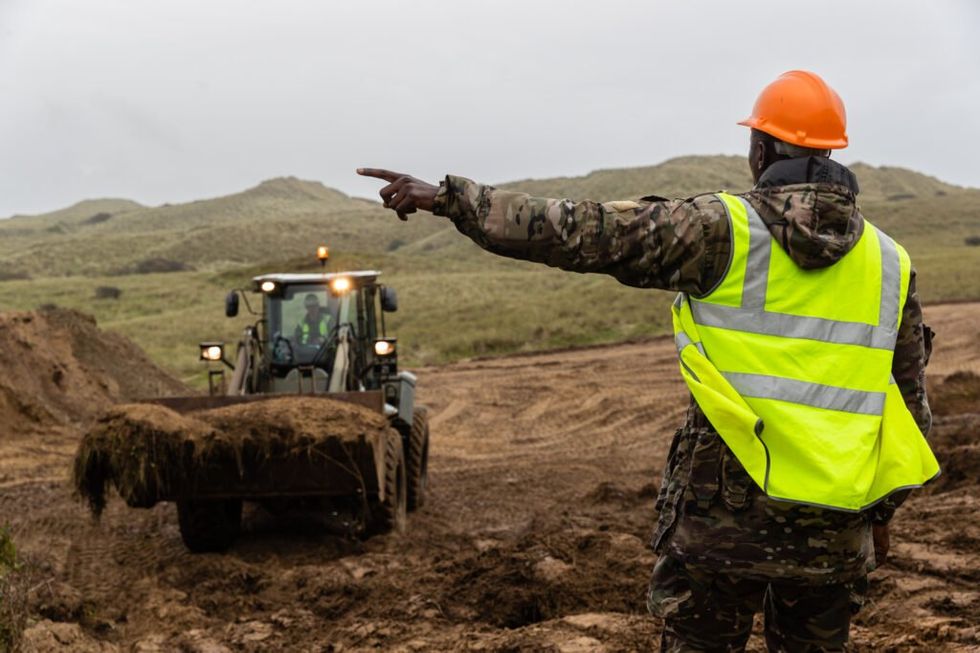
The MoD has been investing in sand dunes in the Cornwall training area
|CROWN COPYRIGHT
Jonathan Spencer, an ecologist formerly employed by the Forestry Commission, acknowledged Salisbury Plain's significance as a natural habitat but branded the bat-protection scheme "mad."
He maintained the armed forces already make considerable efforts to accommodate environmental concerns but should retain ultimate authority over such decisions.
"At the end of the day you've got to be able to train your soldiers to the standard you need," Mr Spencer said.
He suggested money would be better spent creating habitats elsewhere rather than on lighting systems "that sound like discos for bats and probably won't work."
Crucially, he observed that the plain's biodiversity actually flourishes because of military activity, not despite it, with repeatedly shelled areas proving ideal for species thriving on disturbed land.
"Disturbance gives rise to biodiversity," he noted.
An MoD spokesman said: “Salisbury Plain Training Area is the UK’s largest military training site, and we continue to fully use the area for training purposes, as well as complying with relevant environmental legislation.
“In the last few months, the area has hosted a range of training, including the Aviation Brigade Combat Team and Battalion level training with the French Army, enhancing the Army’s lethality and training soldiers in key skills.”
Our Standards: The GB News Editorial Charter
More From GB News