









Britain's national debt has ballooned faster than almost every other nation on earth over the past quarter century, with only Botswana recording a steeper increase.
The UK's debt burden has more than tripled as a proportion of economic output since 2001, fresh IMF figures have revealed.
The data shows Britain's debt-to-GDP ratio climbed from 30.4 per cent to 95.5 per cent today - a jump of 65 percentage points that outpaces every major economy tracked by the fund.
Botswana's sharper rise stems from unusual circumstances: the former British colony shifted from a substantial budget surplus to deficit after its diamond industry collapsed amid competition from laboratory-grown gems.
Economists and politicians have warned these "crippling" debt levels risk sparking turmoil in bond markets while heaping pressure on household finances.
Sir Mel Stride, the shadow chancellor, placed blame squarely on Labour's approach to the public finances.
"It's ordinary families who end up paying the price for high debt and crippling interest bills," he said.
He argued that successive global crises combined with free-spending Labour administrations had pushed borrowing to unsustainable heights.
"The response to that should be to urgently balance the books and get debt falling but Rachel Reeves has done the opposite," Sir Mel added. "Debt is set to rise every year of this parliament."
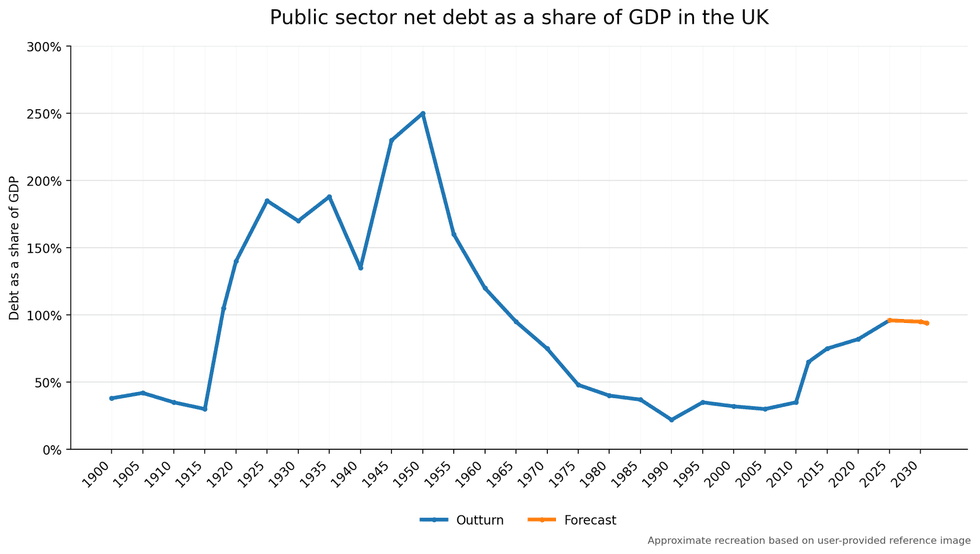
UK national debt forecast
|GB NEWS/STATISTA
Under the Chancellor's fiscal framework, ministers must demonstrate that debt will decline as a share of GDP by the fifth year of any Budget projection.
Critics contend this rule creates a shifting goalpost that governments can manipulate too easily.
Paul Johnson, economist and former director of the Institute for Fiscal Studies, criticised the Government for sidestepping the debt question during its election campaign.
"The current Government ignored the issue in their manifesto, knowing that they'd have to raise taxes and spending, and then shocking everyone with it afterwards," he said.
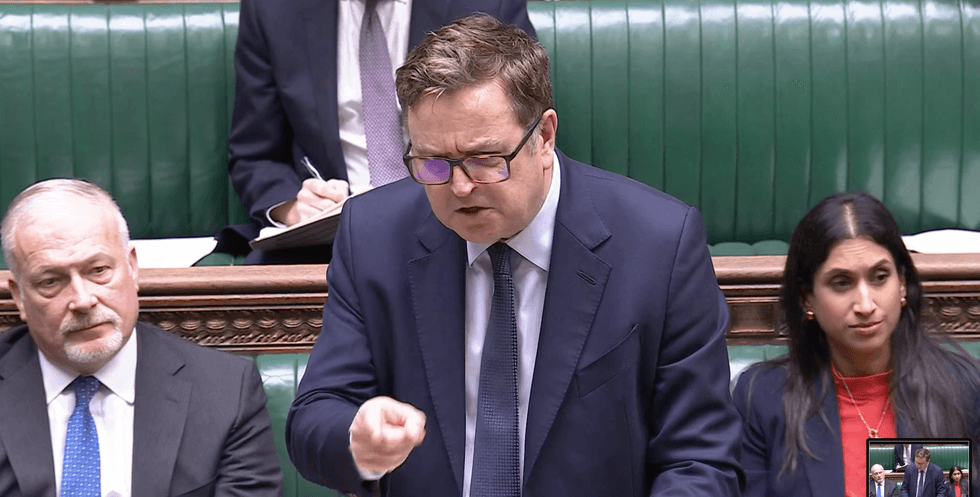
Sir Mel Stride, the shadow chancellor, placed blame squarely on Labour's approach to the public finances
| GETTYHe cautioned that this pattern could repeat itself indefinitely while politicians remain reluctant to level with voters about fiscal realities.
Colin Ellis of Moody's Analytics pointed to growing unease in financial markets. "We now find ourselves with a very high debt load that is making gilt markets nervous, even before you start talking about who the next prime minister is," he said.
As borrowing has climbed, investors have demanded higher returns for purchasing government bonds.
Sir Keir Starmer now faces mounting pressure from within Labour ranks, with some MPs urging leadership contenders including Andy Burnham to commit to higher spending.
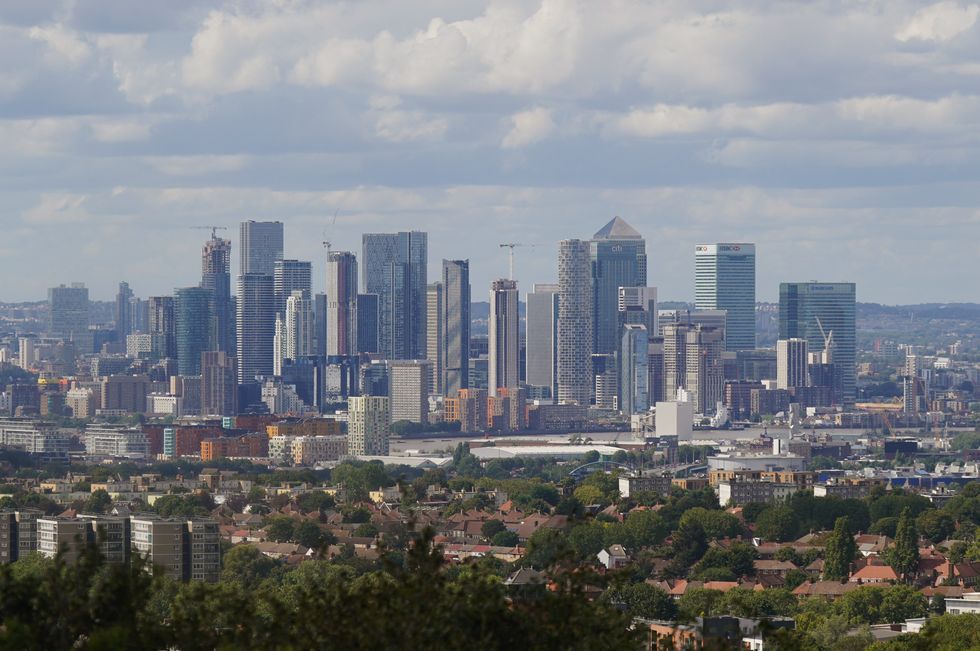
As borrowing has climbed, investors have demanded higher returns for purchasing government bonds
Mr Burnham, viewed as the Prime Minister's principal rival, sparked market anxiety when he suggested Britain needed to move past being "in hock to the bond markets".
He has since retreated from that position and pledged to honour Ms Reeves's fiscal rules.
The country has not recorded a budget surplus since 2000, and total debt is poised to breach £3 trillion for the first time.
This accumulation of liabilities arrives at a particularly challenging moment, with economic growth threatened by the conflict in Iran and ministers scrambling to fund expanded defence commitments.